Robert Loggia Scarface GIF Iconic Scene Memory
The phrase "robert loggia scarface.gif" captures a specific moment in digital culture where classic cinema bleeds into modern internet humor. This particular visual mashup connects the iconic intensity of Al Pacino's performance in the 1983 crime epic with the expressive, often absurd world of animated GIFs. Understanding this phenomenon requires looking at both the source material and the format itself, as it represents a unique intersection of serious film history and fleeting online communication.
Robert Loggia, the distinguished character actor known for his gravelly voice and commanding screen presence, delivers a memorable performance in Scarface. His portrayal of Frank Lopez, a Cuban emigre and established drug trafficker, provides a foundation of gritty, operatic drama. When this performance is distilled into a looping animated fragment, it transforms the character's intensity into a versatile reaction tool, perfectly illustrating how legacy actors find new life in the digital age.
The Anatomy of a Viral Clip
A "robert loggia scarface.gif" is rarely about the film's narrative as a whole. Instead, it isolates a specific facial expression or line delivery that resonates with a contemporary context. The magic lies in the editing, taking a powerful moment from a violent epic and compressing it into a silent, looping emblem of shock, disbelief, or sarcasm. This process strips the scene of its original context, creating a blank canvas for the viewer's own emotions.


The technical nature of a GIF limits the clip to a short, repeating animation. This constraint is precisely what makes the "robert loggia scarface.gif" so effective for internet communication. The loop creates a sense of exaggerated, almost theatrical despair or astonishment that static images cannot convey. It allows users to project their immediate feelings—whether reacting to bad news, mocking a minor inconvenience, or expressing sheer incredulity—onto the timeless visage of Frank Lopez.
The Power of Reaction GIFs
Reaction GIFs form the bedrock of nuanced online conversation, acting as punctuation for text-based exchanges. The "robert loggia scarface.gif" serves as a high-intensity reaction, suitable for moments that demand more than a simple emoji. It conveys a level of dramatic frustration or awe that words alone often fail to capture, providing an immediate emotional shorthand for the viewer.


Because the clip is derived from a well-regarded film, it carries an inherent weight of cultural recognition. Users familiar with the source material understand the gap between the character's original gravity and the new, often trivial, context in which the GIF is deployed. This dissonance is the source of its humor and effectiveness, allowing for a layered form of communication that blends irony with visceral expression.
Loggia's Legacy in Digital Form
Long after his distinguished career on stage and screen, Robert Loggia's work continues to reach new audiences through formats like the "robert loggia scarface.gif". This democratization of his performance ensures that his distinctive delivery and mannerisms remain relevant to generations who may not have seen the film in a theater. The GIF acts as a gateway, potentially sparking interest in the full depth of his filmography.
The persistence of this specific meme underscores the durability of certain performances. Loggia's portrayal is so visually and vocally distinct that it transcends the original script. It becomes a raw, emotional instrument, proving that great acting can be repurposed and recycled in endlessly creative ways, long after the closing credits have rolled.


Context and Cultural Impact
The journey of this specific clip from cinematic drama to digital comedy is a microcosm of internet culture's relationship with classic media. The "robert loggia scarface.gif" exemplifies the remix economy, where existing content is harvested, recontextualized, and shared to create new meaning. This practice challenges traditional notions of authorship, turning a performance into a communal resource for expression.
While some might view this as a form of dilution of the source material, others see it as a vibrant form of engagement. The GIF keeps the film present in the public consciousness, introducing its themes and style to people who would never seek out the original movie. It fosters a dialogue across different eras of entertainment, linking the gritty past of 1980s cinema with the fast-paced present of online trends.
Analyzing the Specific Moment
The specific scene immortalized in the "robert loggia scarface.gif" features a heightened state of emotional outburst. Frank Lopez is often shown mid-argument, his face contorted in a mix of anger, betrayal, and desperation. The physicality of Loggia's performance, combined with the dramatic lighting of the scene, creates a perfect visual anchor for a reaction image.


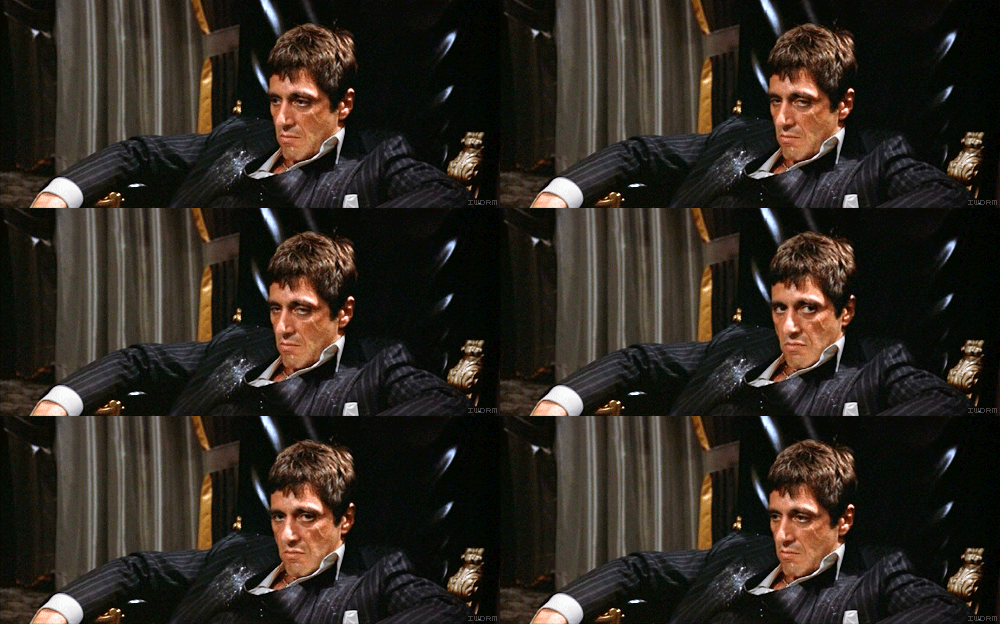
When circulated online, the clip often appears without any identifying context, leaving viewers to interpret the emotion solely based on Loggia's expression. This ambiguity is key to its versatility; it can function as a silent scream, a groan of defeat, or an exasperated eye-roll. The lack of required knowledge about the plot lowers the barrier to participation in the meme, allowing anyone to utilize its potent visual language.
From Film to Forum
Platforms like Reddit, Twitter, and dedicated GIF databases have been instrumental in the propagation of the "robert loggia scarface.gif". Users act as curators, discovering the clip and sharing it in appropriate conversational contexts. The velocity of these platforms ensures that the GIF cycles through periods of high and low popularity, remaining a reliable staple in the reaction arsenal.
Its usage extends beyond simple humor, often employed in professional or academic discussions about internet memetics and digital communication. Analyzing why this particular GIF persists offers insights into how visual media is consumed and repurposed, highlighting the enduring power of a single, well-timed expression.
Exploring the trajectory of "robert loggia scarface.gif" reveals how a piece of cinematic history can be woven into the fabric of modern dialogue. It serves as a testament to the adaptability of performance and the ingenuity of online communities in finding new voices for old art. The next time you encounter this looping snippet, consider the decades of history and the rapid-fire evolution of digital expression it encapsulates, and think about what this says about the ever-evolving language of the internet.
Related Articles

Robert Loggia Photos: A Gallery of Iconic Moments
Robert Loggia, the iconic American actor, left an indelible mark on the entertainment industry with his versatile and powerful performances. A quick search for...

Robert Loggia Shines in Home Alone Memorable Scene
Robert Loggia, the versatile and acclaimed actor, left an indelible mark on the cinematic world with his exceptional talent and charisma. Among his numerous...
Stunning Robert Loggia Photos Rare Unseen And Iconic
Exploring the legacy of Robert Loggia through his photos reveals a career marked by memorable performances and a distinctive screen presence. These images...

Robert Loggia Sopranos GIF Funny Scene Download
Robert Loggia GIF content has become a significant part of online pop culture, especially among fans of classic television and cinema referencing the legendary...
Robert Loggia Photos: Iconic Pics of the Legendary Actor
Robert Loggia, an iconic figure in the entertainment industry, has left behind a rich legacy of memorable performances. His captivating presence and...

Robert Loggia GIFs: Iconic Moments in Motion
Robert Loggia gif content has become a powerful cultural touchstone, transforming the sharp wit and memorable delivery of the legendary actor into viral...