Mastering Rug Hooking: Step-by-Step Instructions
Discover the captivating art of rug hooking, a traditional textile craft that transforms ordinary fabric strips into stunning, durable rugs. Whether you're a seasoned crafter seeking to refine your skills or a beginner eager to explore a new creative outlet, this comprehensive guide will walk you through the fascinating world of rug hooking, from essential tools and materials to expert techniques and inspiring project ideas.
Rug hooking, also known as rug hooking or rug hooking, is a versatile and accessible craft that allows you to create beautiful, functional art for your home. With a little patience, practice, and the right guidance, you too can transform simple wool or cotton strips into intricate patterns and designs that will warm your space and impress your guests.
Understanding Rug Hooking
Rug hooking is a centuries-old craft that originated in the rural communities of North America. It was born out of necessity, as resourceful homemakers sought to create functional, durable rugs from the materials they had on hand. Today, rug hooking has evolved into a respected art form, with artists creating intricate, heirloom-quality pieces that are cherished for their beauty and craftsmanship.


At its core, rug hooking is a simple process that involves pulling loops of fabric through a backing material, such as burlap or monk's cloth, to create a textured, pile-like surface. The loops are created using a hook tool, which comes in various sizes and shapes to accommodate different fabric types and desired textures.
Choosing the Right Hooking Tool
Selecting the appropriate hooking tool is crucial for a successful and enjoyable rug hooking experience. Hooks come in various sizes, typically ranging from size 3 (smallest) to size 14 (largest), with each size catering to different fabric types and desired loop sizes.


For beginners, a size 7 or 8 hook is an excellent starting point, as it accommodates a wide range of fabric types and allows for easy loop formation. As you become more proficient, you can experiment with different hook sizes to achieve various textures and effects in your rugs.
Essential Materials for Rug Hooking
In addition to your hooking tool, you'll need a few essential materials to begin your rug hooking journey. These include:
- Backing material: Burlap or monk's cloth are popular choices for beginners, as they provide a sturdy foundation for your rug and allow for easy hooking.
- Latch hook or rug hook: This is the tool you'll use to pull loops of fabric through the backing material.
- Fabric strips: Wool, cotton, or a blend of both are commonly used in rug hooking. You can purchase pre-cut strips or create your own by cutting fabric into narrow, even strips.
- Scissors: A sharp pair of scissors is essential for cutting fabric strips and trimming your finished rug.
- Design or pattern: Whether you're creating a geometric pattern, a scenic landscape, or a custom design, having a clear plan will help guide your hooking process.
Mastering Rug Hooking Techniques
Once you have your materials and tools assembled, it's time to dive into the world of rug hooking techniques. With practice and patience, you'll develop the skills needed to create stunning, high-quality rugs that showcase your unique artistic vision.


One of the most fundamental techniques in rug hooking is the basic loop, which involves pulling a loop of fabric through the backing material and securing it in place. From there, you can explore a wide range of techniques, such as:
Basic Loop Technique
The basic loop is the foundation of all rug hooking techniques. To create a basic loop, follow these steps:
- Insert the tip of your hook into the backing material at the desired starting point.
- Wrap the fabric strip around the hook, ensuring that the right side of the fabric faces out.
- Pull the hook and fabric strip through the backing material, creating a loop on the surface.
- Secure the loop in place by pulling the hook and fabric strip back through the backing material, tucking the loop underneath itself.
Long Loop Technique
The long loop technique is similar to the basic loop, but with a longer loop length. This technique is ideal for creating textured, dimensional effects in your rugs. To create a long loop, follow these steps:


- Insert the tip of your hook into the backing material at the desired starting point.
- Wrap the fabric strip around the hook, ensuring that the right side of the fabric faces out.
- Pull the hook and fabric strip through the backing material, creating a longer loop on the surface.
- Secure the loop in place by pulling the hook and fabric strip back through the backing material, tucking the loop underneath itself.
Inspiring Rug Hooking Projects
Now that you've mastered the basics of rug hooking, it's time to explore inspiring project ideas that will help you unleash your creativity and create stunning, functional art for your home. From cozy floor coverings to decorative wall hangings, the possibilities are endless.
To help you get started, consider these rug hooking project ideas:
Rug Hooking for Beginners
If you're new to rug hooking, start with a simple project that allows you to practice your basic loop technique and build your confidence. A small, geometric rug or a decorative wall hanging is an excellent starting point for beginners.
Here are some beginner-friendly project ideas:
- Geometric Rug: Create a simple geometric pattern using basic loop techniques and a limited color palette. This project will help you develop your hooking skills and create a functional piece of art for your home.
- Decorative Wall Hanging: Design a wall hanging featuring a repeating pattern or a simple, abstract design. This project is an excellent way to experiment with different fabric types and colors while creating a stunning decorative accent for your space.
Intermediate Rug Hooking Projects
As your rug hooking skills grow, you'll be ready to take on more challenging projects that allow you to explore different techniques and design elements. Consider these intermediate-level project ideas:
Here are some intermediate-level project ideas:
- Scenic Landscape Rug: Create a stunning, detailed rug featuring a landscape scene, such as a mountain range, a forest, or a beachscape. This project will allow you to experiment with different fabric types, textures, and colors to create a realistic, immersive scene.
- Custom Portrait Rug: Design a custom rug featuring a portrait of a loved one, a pet, or a favorite animal. This project requires careful planning and attention to detail, as you'll need to capture the essence of your subject in fabric form.
Embracing the art of rug hooking is a rewarding journey that combines creativity, craftsmanship, and self-expression. As you explore the techniques, materials, and project ideas outlined in this comprehensive guide, you'll develop the skills and confidence needed to create stunning, functional rugs that will warm your space and inspire your guests. So, gather your materials, choose your first project, and let the captivating world of rug hooking unfold before you. Happy hooking!
Related Articles

Rug Hooking for Beginners: Easy Step-by-Step Instructions
Embarking on your rug hooking journey is an exciting venture that combines creativity, craftsmanship, and a touch of history. This traditional art form, dating...

Mastering Grapevine Gardening: Step-by-Step Guide to Building a DIY Trellis
Embarking on a gardening journey with grape vines? A well-structured trellis is not just an aesthetic addition but a crucial support system for these vigorous...

Mastering PVC Baseboard Trim: A Step-by-Step Painting Guide
Transforming the look of your home with a fresh coat of paint is an exciting task, and it's not just limited to walls and ceilings. PVC baseboard trim, often...

Diy Felt Ornaments: Easy Step-by-Step Instructions
Embrace the joy of crafting with our comprehensive guide on creating DIY felt ornaments. These charming decorations are not only a delight to hang but also a...

Mastering Wall Panel Trim: A Step-by-Step Installation Guide
Installing wall panel trim can significantly enhance the aesthetic appeal of your space, adding a touch of elegance and sophistication. Whether you're aiming...
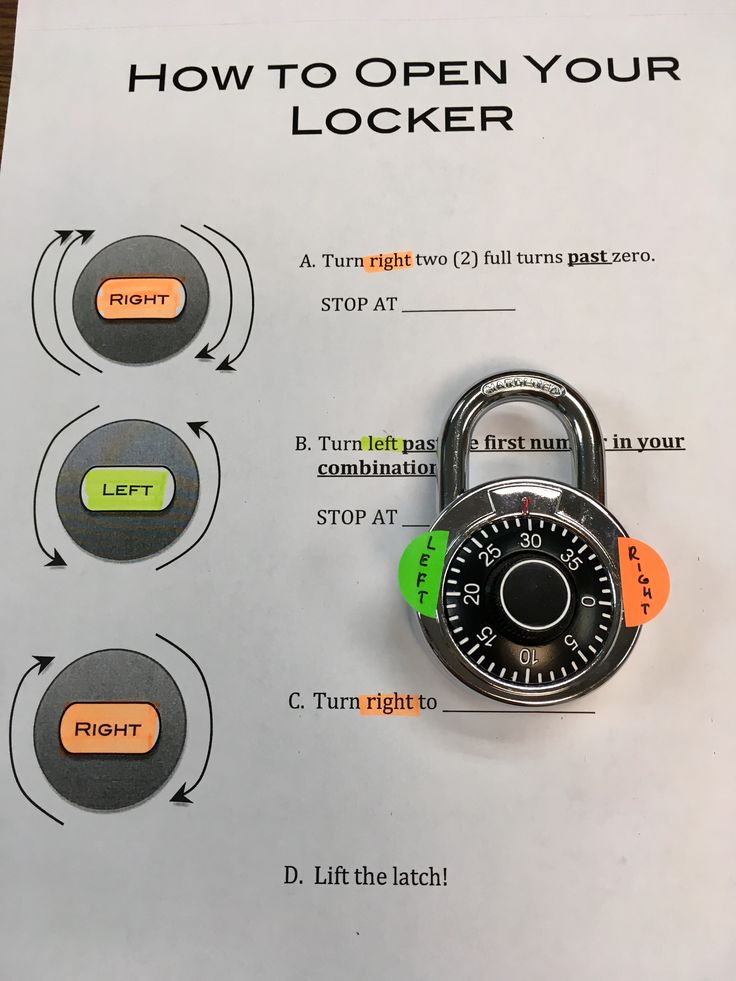
School Locker Lock Instructions: Step-by-Step Guide
Learning how to use a school locker lock correctly can save you time and stress during a busy day. These sturdy metal storage units line the hallways of most...