Salt Dough Footprint Ideas
Creating lasting memories with salt dough footprint ideas is a simple, heartfelt way to capture a moment in time, especially with little hands and feet. This classic craft transforms a basic mixture of flour, salt, and water into a meaningful keepsake that documents growth and connection. The process is incredibly accessible, requiring minimal investment yet offering maximum emotional return when you see those tiny impressions preserved forever. Families and educators love this activity because it combines creativity with a tangible record that can be displayed, gifted, or tucked away in a memory box.
Salt dough itself is a forgiving medium that feels pleasant to work with and bakes to a gentle, ceramic-like finish. Unlike clay, it does not require a kiln, making it perfect for home ovens and classroom settings. When you plan salt dough footprint ideas, you are not just making a craft; you are creating a sensory experience that engages touch, smell, and sight. The soft, doughy texture invites conversation, and the simple act of pressing a foot or hand into the dough helps children feel connected to the final product.
Preparing Your Dough and Workspace
Starting with a reliable basic recipe ensures that your salt dough footprint keepsakes turn out smooth and evenly baked. A classic ratio of two parts flour to one part salt and one part water works well, though you can adjust the water slightly for a softer or firmer dough. Mixing the dry ingredients first, then gradually adding water, helps you avoid lumps and creates a consistent texture that is easy to roll and shape.


Before you begin pressing tiny feet into the dough, preparing your workspace saves time and reduces stress during the activity. Cover your table with a washable mat or newspaper, and have a rolling pin, cookie cutters, and a baking sheet ready. For footprint projects, you might also keep a small bowl of water nearby so you can gently smooth any cracks after cutting out the dough shapes.
Rolling to the Right Thickness
Rolling the dough to an even thickness is important for uniform baking, especially when you are making multiple footprint keepsakes. Aim for about half an inch thick, which is sturdy enough to hold detailed impressions without being too dense. Using dowels or stacking books as guides on either side of the rolling pin can help you achieve that consistent depth every time.


Cutting Clean Edges
Using a sharp knife or a cookie cutter gives your footprint pieces neat edges and a professional look. If you are creating a border around the footprint, press straight down to avoid dragging the dough outward. For projects where the footprint itself is the final shape, smooth the outer edge with gentle pressure so the impression remains crisp during baking.
Capturing Tiny Footprints and Handprints
The most iconic salt dough footprint ideas involve pressing a bare foot or hand into the dough to create a lasting memory. To get a clear impression, press down firmly but gently, rocking your foot or hand slightly to ensure full contact with the dough surface. You want enough pressure to capture the arch, heel, and toes, but not so much that the dough spreads unevenly.
For salt dough footprint ideas centered on baby feet and hands, timing is everything. Newborns and infants may only tolerate a few seconds of pressing, so have your camera ready and work quickly. One popular approach is to take a photo first, then recreate the pose with the dough for a keepsake that pairs memory with a tactile memento. This method also helps when you want to match the dough tone to the child's skin tone for a more realistic look.


Adding Names and Dates
Personalizing each footprint with a name and date turns a simple impression into a treasured record. You can use a wooden skewer or a dull knife to lightly carve the letters around the edge of the footprint. Keep the lettering simple and legible, and consider placing the date just beneath the footprint so it remains readable even as the dough wears slightly over time.
Creating a Matching Series
When you are making footprints for siblings or family members, consistency in size and thickness helps the final display feel cohesive. Measure and roll the dough to the same thickness for each piece, and use a template or outline to ensure similar dimensions. Arranging the finished footprints in a row on a single board creates a beautiful growth chart that can be framed or mounted on the wall.
Design Variations and Decorative Touches
Beyond basic impressions, salt dough footprint ideas can include surrounding details that turn each piece into a miniature work of art. You might add a border of simple lines, dots, or tiny shells collected from a recent beach trip. These extras are easy to press into the dough before baking and add personality without complicating the footprint shape.


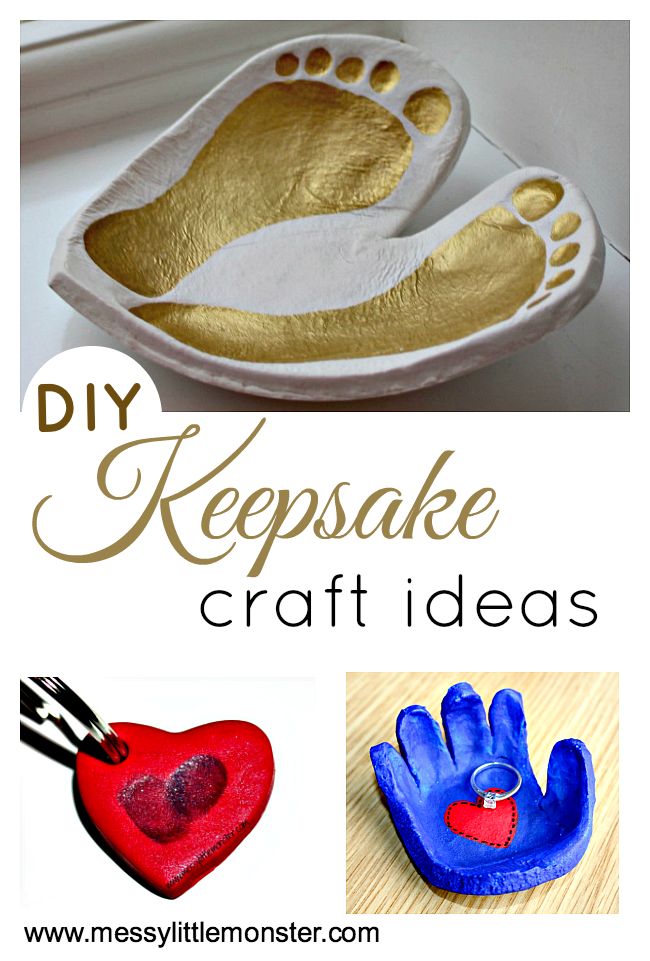


Painting the baked footprints opens another layer of creative salt dough footprint ideas, especially for holiday or nursery decor. Soft pastel tones work well for baby rooms, while bolder colors suit a playful nursery or a child’s bedroom. When you seal the finished pieces with a clear, non-toxic varnish, the colors stay vibrant and the surface becomes easier to clean.
Incorporating Natural Elements
Mixing fine sand, crushed shells, or small beads into the dough before rolling can give each footprint a unique, tactile quality. These additions are especially effective for seaside-themed projects or nature-based classroom activities. Just be sure the particles are small and smooth enough to avoid creating sharp spots on the finished piece.
Themed Displays and Gift Ideas
Arranging finished footprints on a shallow wooden tray or a framed canvas turns them into an instant gallery that tells a story of growth. For gifts, consider pairing a small set of footprints with a handwritten note or a photo from the day you made the craft. Salt dough holds its shape well, so these pieces travel beautifully and make heartfelt presents for grandparents or new parents.
Experimenting with salt dough footprint ideas lets you blend memory, art, and simple science into an activity that feels both playful and profound. Every pressed footprint holds a story, and the finished pieces serve as gentle reminders of how quickly those early years pass. Exploring new variations, colors, and displays keeps the tradition fresh, inviting you to return to this simple craft again and again as your family grows.
Related Articles

Hand and Footprint Salt Dough Ornaments DIY Craft Ideas for Baby Keepsakes
Add a touch of creativity and personalization to your holiday decorations this year with hand and footprint salt dough ornaments. This classic craft is not...

Salt Dough Ornament Ideas Footprint Crafts DIY Projects For Kids
Creating a salt dough footprint ornament is a heartfelt way to capture a fleeting moment in time, turning a simple handprint or footprint into a lasting...

Salt Dough Footprint Ornament DIY Craft Ideas Making Tutorial
Creating a salt dough footprint ornament is a simple and heartfelt way to capture a moment in time, turning a child’s tiny impression into a lasting keepsake...

Salt Dough Footprint Ornaments: DIY Kids Craft
Creating salt dough footprint ornaments is a simple and heartfelt way to capture a moment in time, turning a child’s tiny steps into a lasting memory that can...

Salt Dough Baby Ornament Ideas Cute Easy DIY Crafts
Creating a salt dough baby ornament is a heartfelt way to preserve a tiny moment in time, turning a simple craft project into a cherished family keepsake. This...

Creative Salt Dough Foot Ornament Painting Ideas DIY Decor
Transform your little ones' feet into adorable works of art with our delightful collection of salt dough foot ornament painting ideas. This fun and engaging...