Effective Sample Instructions For Group Activity SEO Guide
Planning and executing a group activity can be a rewarding experience, fostering teamwork, creativity, and camaraderie. To ensure your activity runs smoothly and achieves its objectives, follow these comprehensive, step-by-step instructions.
Whether you're organizing a team-building exercise, a classroom project, or a community event, these guidelines will help you create a successful, engaging, and enjoyable experience for all participants.
Planning Your Group Activity
Before diving into the details, it's crucial to have a clear vision and purpose for your activity. Ask yourself: What do I want to achieve? Who is my audience? What resources do I have?


Once you've established these fundamentals, you can start planning the nitty-gritty details.
Setting Clear Objectives
Establishing clear, measurable objectives helps focus your planning efforts and ensures your activity stays on track. Use the SMART goal framework: Specific, Measurable, Achievable, Relevant, and Time-bound.


For example, instead of "Improve team communication," consider "Increase team communication scores by 20% within the next quarter through regular workshops and icebreaker activities."
Understanding Your Audience
Knowing your participants' interests, skills, and expectations is vital for creating an engaging and inclusive activity. Conduct a simple survey or hold a brief meeting to gather this information.
Consider any accessibility needs, cultural sensitivities, and learning styles to ensure your activity is enjoyable and accessible to everyone.


Designing Your Activity
Now that you have a solid foundation, it's time to brainstorm and design the perfect activity for your group.
Browse online resources, consult with colleagues, or brainstorm with your team to generate ideas that align with your objectives and audience.
Choosing the Right Activity
Select an activity that caters to your group's interests, promotes your objectives, and fits within your time and resource constraints. Here are a few examples:


- Team-building games: Escape rooms, scavenger hunts, or problem-solving challenges
- Creative workshops: Art, music, or writing classes
- Educational seminars: Guest speakers, panel discussions, or workshops
- Community service projects: Volunteer work, charity events, or fundraising campaigns
Structuring Your Activity
Break down your activity into clear, manageable sections. Include an introduction, main activities, breaks, and a conclusion. Allocate time for each section based on your objectives and resources.
For example, a typical 3-hour team-building activity might look like this:
| Time | Section |
|---|---|
| 0:00 - 0:15 | Introduction and icebreaker |
| 0:15 - 1:30 | Main activity |
| 1:30 - 1:45 | Break |
| 1:45 - 2:45 | Main activity (continued) |
| 2:45 - 3:00 | Conclusion and wrap-up |
Executing Your Group Activity
With careful planning and preparation, you're ready to execute your group activity. Here are some tips to ensure a smooth and successful event.
Communicate clearly and concisely with your participants, providing them with all the necessary information, such as date, time, location, and any required materials or attire.
Preparing Your Space
Set up your activity space well in advance, ensuring it's clean, safe, and inviting. Arrange furniture, equipment, and materials according to your activity's needs. Consider the layout, lighting, and acoustics to create a comfortable and engaging environment.
For virtual activities, test your technology and platforms beforehand to minimize technical difficulties during the event.
Facilitating Your Activity
As the facilitator, your role is to guide, support, and engage your participants. Maintain a positive, enthusiastic attitude and be prepared to adapt your plans as needed.
Encourage active participation, manage time effectively, and keep the activity flowing smoothly. Be mindful of your participants' needs and adjust the pace or content as necessary to ensure everyone stays engaged and included.
Evaluating Your Activity
Gather feedback from your participants to assess the success of your activity and identify areas for improvement. Conduct a brief survey, hold a focus group, or simply ask for verbal feedback at the conclusion of the event.
Analyze the results, and use them to inform your future planning and decision-making. Celebrate your successes and learn from any challenges to continuously improve your group activities.
As your group activity comes to a close, take a moment to reflect on the experience. Consider the connections made, the skills developed, and the memories created. With each event, you're fostering a stronger, more cohesive group and contributing to a more engaging, inclusive, and enjoyable environment for all. Now, start planning your next adventure!
Related Articles

Engaging Sample Group Activity Ideas for Students
Group activities are an integral part of the learning process, fostering teamwork, communication, and critical thinking. As a student, you may find yourself...

Group Activity Ideas for Students: Step-by-Step Instructions
Engaging students in group activities can foster a collaborative learning environment, enhance critical thinking, and boost overall academic performance. Here...

Easy Origami Bookmark Instructions Printable Step by Step Guide
Origami, the ancient Japanese art of paper folding, has captivated people of all ages for centuries. One of the most practical and delightful ways to...
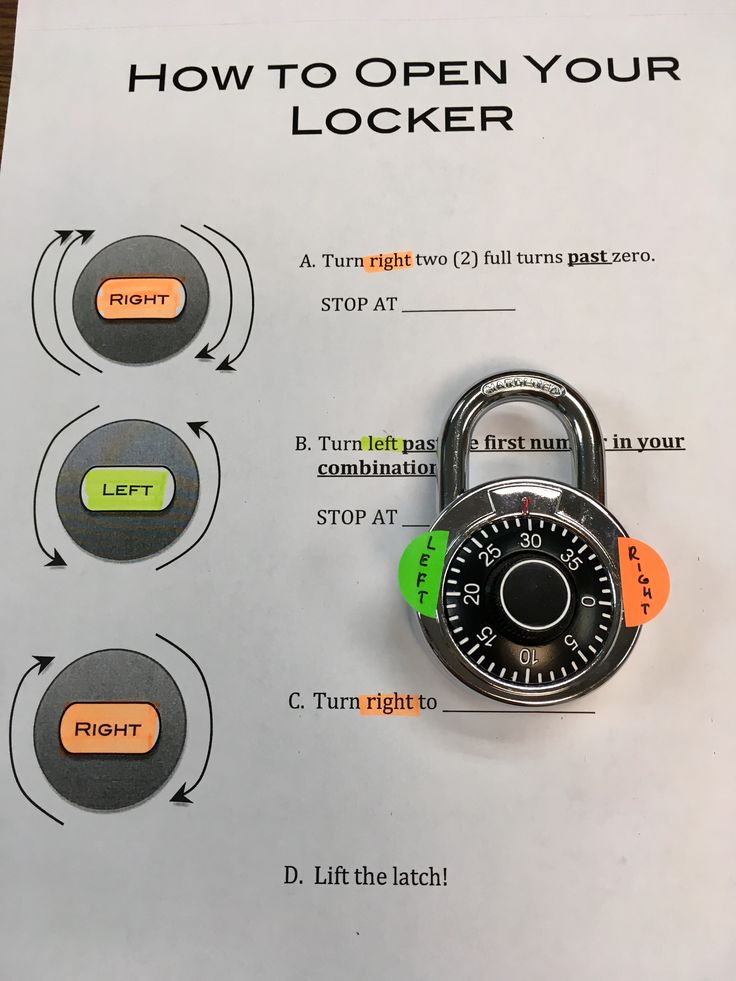
School Locker Lock Instructions: Step-by-Step Guide
Learning how to use a school locker lock correctly can save you time and stress during a busy day. These sturdy metal storage units line the hallways of most...

Fun Group Activity Ideas For Adults At Home To Connect And Laugh
Stuck at home with a group of adults, craving some fun and engagement? You're in luck! There's a wealth of group activity ideas that can be enjoyed from the...

Seth Thomas Westminster Chime Clock Instructions A Complete Step by Step Guide
Discovering the charm of a Seth Thomas Westminster Chime clock can be an enriching experience, but like any intricate timepiece, it requires proper setup and...