The Blossoming Beauty of School Flowers Symbolism and Significance
In the vibrant tapestry of educational institutions, the school flower holds a special place, serving as a symbol of beauty, unity, and pride. These emblematic blooms represent more than just aesthetics; they carry a rich history and cultural significance that enriches the school experience.
School flowers have been a tradition for centuries, with each institution choosing a bloom that resonates with its values and heritage. This tradition fosters a sense of belonging and unity among students, faculty, and alumni, creating a shared identity that transcends time.
The Significance of School Flowers
The selection of a school flower is no trivial matter. It often reflects the institution's history, location, or even its founding date. For instance, the cherry blossom is a popular choice among Japanese schools, symbolizing renewal, resilience, and the transience of life. In contrast, the rose, with its myriad colors and meanings, is favored by many Western institutions for its versatility in representing love, passion, and achievement.


School flowers also play a significant role in school events and ceremonies. They are often incorporated into graduation caps and gowns, serving as a visual reminder of the institution's legacy. Moreover, they are used to decorate school grounds, adding a touch of nature's beauty to the learning environment.
Cultural Representations
In many cultures, flowers hold deep symbolic meanings. For example, in India, the lotus flower is revered for its ability to grow in muddy waters and rise above the surface to bloom, symbolizing enlightenment and purity. Incorporating such culturally significant flowers into school life can foster intercultural understanding and appreciation among students.


Some schools even integrate their school flower into their curriculum, teaching students about botany, ecology, and the cultural significance of these blooms. This not only enhances students' academic understanding but also fosters a deeper connection with their school's heritage.
Community Engagement
School flowers often become a point of community engagement. Many schools organize flower planting events, inviting students, faculty, and even local residents to participate. These events foster a sense of community and shared responsibility for the school's environment.
Some schools also use their school flower as a fundraiser, selling merchandise featuring the bloom to raise funds for various school initiatives. This not only generates revenue but also promotes school spirit and pride.


The Evolution of School Flowers
Over time, the role of school flowers has evolved. Once primarily a symbol of institutional identity, they now also serve as a tool for environmental education and community engagement. Many schools are moving towards native and sustainable flower choices, reflecting a growing awareness of environmental issues.
Furthermore, the rise of social media has given school flowers a new platform. Students and alumni often share photos of their school's flower, creating a virtual network that spans generations and geographical boundaries.
Sustainable Choices
In response to environmental concerns, many schools are opting for native, low-maintenance flowers that require less water and pesticides. This not only reduces the school's environmental footprint but also provides a habitat for local wildlife. For instance, the California poppy, America's state flower, is a drought-resistant native choice that supports local ecosystems.


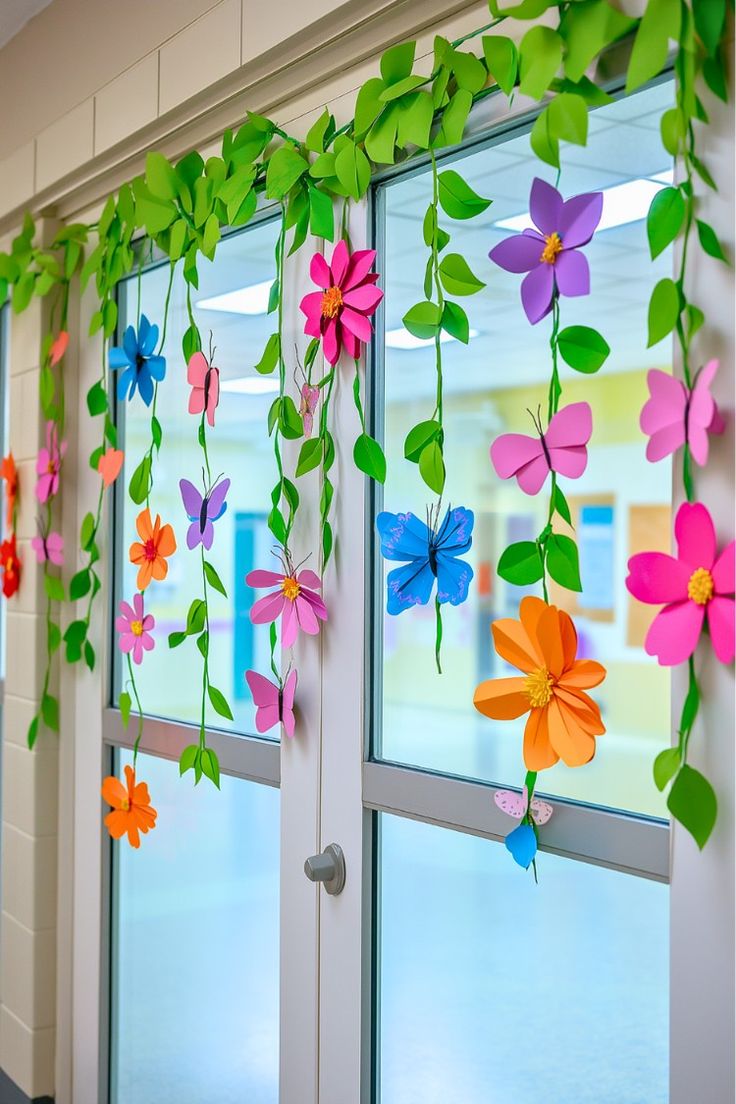


Some schools are also embracing the concept of 'living classrooms', incorporating their school flower into educational gardens where students can learn about botany, ecology, and sustainable practices firsthand.
In the ever-evolving landscape of education, the school flower continues to bloom, its roots deeply embedded in tradition, its petals reaching out to embrace innovation. As schools continue to explore new ways to engage students and communities, the humble school flower remains a vibrant, enduring symbol of institutional pride and identity.
Related Articles

Evergreen Flower Bed Ideas: Timeless Beauty All Year Round
Evergreen flowers are a gardener's dream, providing year-round color and interest to your landscape. They're particularly useful in flower beds, where they can...

What Does Agave Represent Symbolism Meaning and Cultural Significance
Agave carries a deep and layered symbolism that spans mythology, daily life, and spiritual practice across multiple cultures. Often recognized first as the...

Simple & Stunning: 10 Church Wedding Flower Ideas
Planning simple church wedding flowers ideas can feel both exciting and a little daunting, especially when you want the look to feel graceful yet completely...

Salt Box Meaning Explained Discover The Symbolism And Spiritual Significance
When people encounter the phrase salt box meaning, they often picture a simple wooden or ceramic container holding the everyday seasoning found on tables...

Black Curtain Spiritual Significance: Unveiling the Symbolism
The image of a black curtain often appears in spiritual conversation as a powerful symbol of mystery and inner work. Many people first encounter this visual...

The Ultimate Pergola for Flowers Guide: Blooming Beauty & DIY Ideas
Transform your outdoor space into a blooming oasis with a beautifully crafted pergola for flowers. Pergolas are not only functional, providing much-needed...