School Locker Agreement Form
When it comes to ensuring a safe and organized learning environment, school lockers play a pivotal role. To maintain order and respect the property of both students and the school, a clear understanding of locker usage is crucial. This is where a well-crafted school locker agreement form comes into play.
A school locker agreement form is a legal document that outlines the rules, regulations, and expectations regarding the use of school lockers. It serves as a binding contract between the student, their parents or guardians, and the school. By signing this form, all parties involved acknowledge and agree to abide by the stipulated terms.
Importance of a School Locker Agreement Form
Implementing a school locker agreement form offers numerous benefits. Firstly, it promotes a sense of responsibility and accountability among students. By signing the form, students understand that they are entrusted with a locker for the safekeeping of their belongings and must respect this privilege.


Secondly, it helps maintain a secure environment. A well-defined locker policy can deter theft and vandalism, ensuring that students' property remains safe. Moreover, it encourages students to take responsibility for their actions, reducing the likelihood of misbehavior.
Key Components of a School Locker Agreement Form
A comprehensive school locker agreement form should include several key components to ensure clarity and understanding. These may include:


- Locker Assignment: Details about the locker assignment process, including how lockers are assigned and if there's a waiting list for lockers.
- Locker Use: Guidelines on how lockers should be used, such as when they can be accessed, how to secure them, and what items can be stored inside.
- Responsibilities: A clear outline of the student's responsibilities regarding locker use, including maintaining the locker's cleanliness and security.
- Consequences: The penalties for violating the locker agreement, such as losing locker privileges or facing disciplinary action.
- Release of Liability: A statement that the school is not responsible for lost or stolen items, encouraging students to take personal responsibility for their belongings.
Tips for Creating an Effective School Locker Agreement Form
To create an effective school locker agreement form, consider the following tips:
- Keep the language simple and easy to understand. Avoid legal jargon that might confuse students and parents.
- Be specific about the rules and expectations. Vague guidelines can lead to misunderstandings and misbehavior.
- Include a space for all parties to sign, indicating their agreement to the terms. This includes the student, their parents or guardians, and a school representative.
- Review and update the form regularly to ensure it remains relevant and effective. Changes in school policy or student behavior may necessitate updates to the form.
Implementing the School Locker Agreement Form
Once the school locker agreement form is created, it's crucial to implement it effectively. This involves distributing the form to all relevant parties, providing ample time for review and discussion, and collecting signed forms.
It's also important to educate students and parents about the form's purpose and the consequences of not adhering to the rules. This can be done through school assemblies, parent-teacher meetings, or emails. By ensuring everyone is on the same page, you can foster a culture of responsibility and respect for school lockers.


Dealing with Violations of the School Locker Agreement
Despite best efforts, violations of the school locker agreement may occur. When this happens, it's essential to handle the situation promptly and fairly. This might involve:
- Reminding the student of the rules and the consequences of violating them.
- Documenting the incident and any subsequent disciplinary action taken.
- Notifying the student's parents or guardians about the violation and the steps being taken to address it.
- Considering progressive discipline, such as a warning, loss of locker privileges, or detention, depending on the severity of the violation.
In conclusion, a school locker agreement form is a vital tool for maintaining a safe, organized, and respectful learning environment. By clearly outlining the rules and expectations for locker use, this form promotes responsibility and accountability among students. With a well-crafted and effectively implemented school locker agreement form, schools can foster a culture of respect for property and personal responsibility.


Related Articles

School Locker Agreement: Essential Rules & Guidelines
In the bustling environment of schools, lockers serve as a vital lifeline for students, providing a secure space to store books, bags, and personal belongings...

Locker Decorations Ideas for Middle School: Trendy Designs & DIY Hacks
Middle school is such a transformative time, and the way students personalize their spaces can say a lot about their growing sense of self. A locker is more...
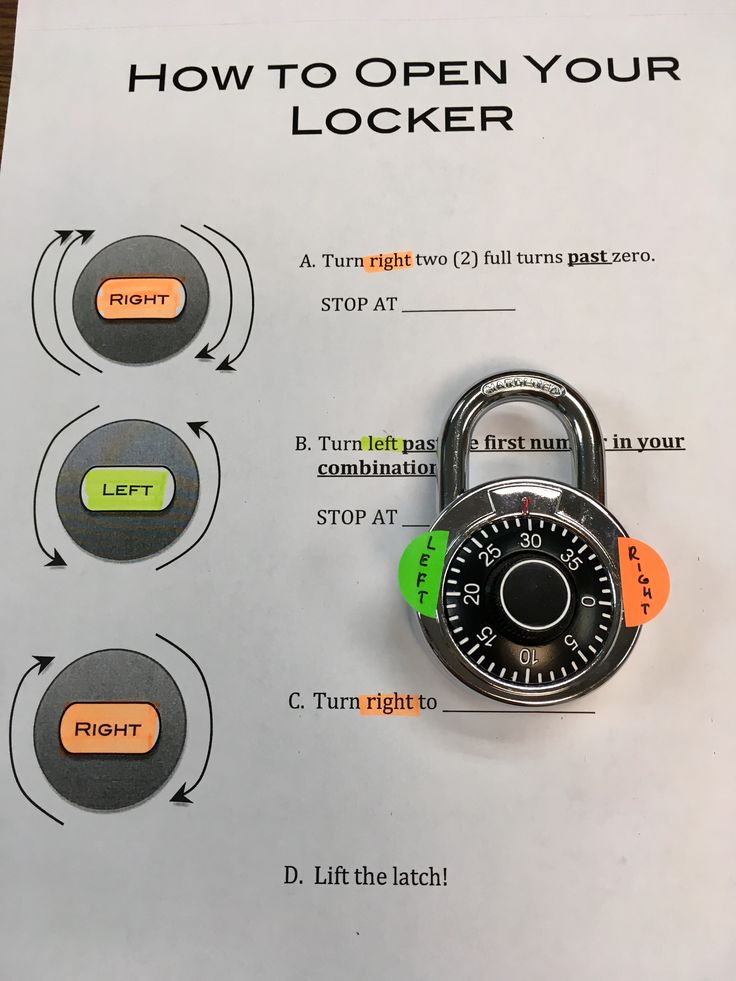
School Locker Lock Instructions: Step-by-Step Guide
Learning how to use a school locker lock correctly can save you time and stress during a busy day. These sturdy metal storage units line the hallways of most...

100+ School Locker Quotes Witty Inspirational Sayings For Students
School lockers have long been more than just storage spaces for books and backpacks. They've evolved into canvases for self-expression, with school locker...

Find School Locker Locations Brisbane Fast Easy Guide
Finding the perfect school locker location in Brisbane can make a significant difference to your daily school routine. Not only does it help you stay...

Maximize Space: The Ultimate High School Locker Storage Guide
High school locker storage is often the unsung hero of the daily school routine, quietly managing the chaos of textbooks, coats, and personal items for...