School Locker Dimensions in Centimeters
Understanding school locker dimensions in centimeters is essential for planning efficient storage solutions in educational environments. These standardized compartments serve as personal spaces for students, and their precise measurements influence daily organization and security.
When you explore school locker dimensions cm, you discover that specifications can vary based on the age group, available space, and regional standards. Knowing these exact numbers helps architects, facility managers, and parents visualize how equipment, books, and personal items fit comfortably inside.
Primary School Locker Specifications
In primary schools, lockers are designed with smaller students in mind, so the dimensions are more compact to ensure easy access and safety. The focus here is on simplicity and practicality rather than high storage capacity.


These lockers prioritize safety and accessibility, with smooth edges and manageable heights. The interior layout is often simple, supporting cubbies for backpacks and jackets rather than multiple shelves.
Typical Height and Width
Standard primary school lockers often measure around 60 cm in height and 30 cm in width. This size is intentionally narrow to fit neatly along walls while remaining reachable for young children.


The depth is usually shallow, approximately 30 to 35 cm, preventing students from overreaching inside. These school locker dimensions cm are tailored to match the physical size of early learners.
Recommended Depth and Mounting
A depth of 30 to 35 cm allows for a coat, a small backpack, and a water bottle without crowding the space. Mounting these lockers at lower heights ensures that even the youngest students can open and close doors independently.
Clear labeling and color coding are common strategies to help children quickly identify their assigned compartment. Such thoughtful design demonstrates how school locker dimensions cm directly impact user experience in primary grades.


Secondary School and High School Locker Dimensions
As students advance to secondary education, their lockers must accommodate heavier textbooks, binders, and electronic devices. The increased academic load requires more substantial storage solutions.
These lockers are built to support long-term use and frequent access, often featuring reinforced frames. Adjusting the proportions to fit larger items becomes a key consideration in the design phase.
Standard Dimensions for Teenagers
A common specification for secondary school lockers is around 150 cm in height, 30 cm in width, and 35 cm in depth. This combination provides ample vertical space for books and a secure area for personal belongings.


These school locker dimensions cm are aligned with ergonomic standards, ensuring that the locker aligns roughly with the student’s torso height. The width and depth support standard school supplies without overwhelming the hallway space.
Variations Across School Districts
Different districts may adopt lockers that are slightly taller or wider to suit available wall space. Customization can include additional shelves, specialized hooks, or integrated charging ports for devices.
Understanding the specific measurements helps schools plan hallway layouts and traffic flow. Comparing school locker dimensions cm across models allows institutions to balance cost, durability, and functionality effectively.
Material, Security, and Layout Considerations
The material of the locker affects its durability and weight, while the locking mechanism influences security. Steel is common for secondary models, offering strength without excessive cost.
Ventilation and visibility are also important, as students need to quickly locate their compartments. Clear numbering and adequate lighting contribute to an efficient system that reduces congestion during peak times.
Optimizing Hallway Space
When planning rows of lockers, schools must consider the space needed for doors to open fully. A typical door requires around 60 to 80 cm of clearance, depending on the exact school locker dimensions cm.
Strategic placement near classrooms and common areas minimizes travel time for students. Thoughtful spacing also improves safety by reducing collisions in busy corridors.
Accessibility and Inclusivity
Modern designs include accessible lockers at lower heights for students with mobility challenges. These units maintain similar width and depth to ensure consistency across the row.
By incorporating adjustable shelves and varied compartments, schools can create an inclusive environment. Paying attention to school locker dimensions cm ensures that every student can use the facilities with dignity.
Evaluating real-world needs alongside precise measurements allows educational institutions to choose lockers that serve students effectively over many years. Thoughtful planning today reduces the need for frequent replacements and adjustments tomorrow.
As schools continue to evolve, revisiting these core measurements ensures that storage solutions remain practical and inclusive for future generations.
Related Articles
School Locker Dimensions: Inside Measurements & Sizes
Understanding school locker dimensions inside is essential for creating efficient and user friendly storage solutions in educational environments. These...

Locker Decorations Ideas for Middle School: Trendy Designs & DIY Hacks
Middle school is such a transformative time, and the way students personalize their spaces can say a lot about their growing sense of self. A locker is more...
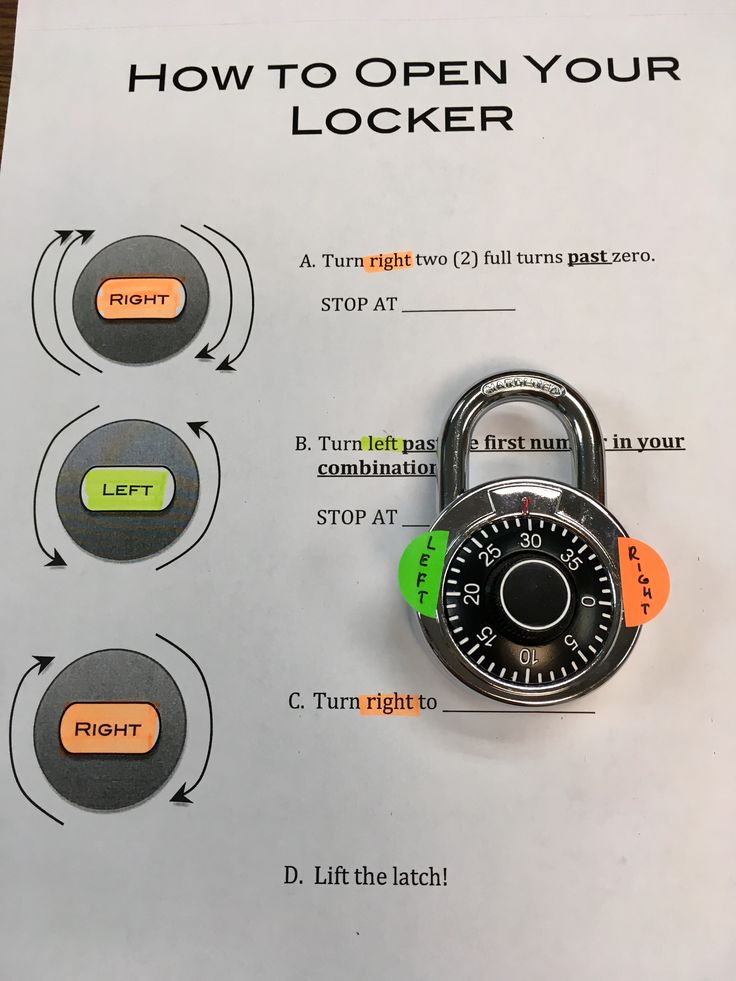
School Locker Lock Instructions: Step-by-Step Guide
Learning how to use a school locker lock correctly can save you time and stress during a busy day. These sturdy metal storage units line the hallways of most...

100+ School Locker Quotes Witty Inspirational Sayings For Students
School lockers have long been more than just storage spaces for books and backpacks. They've evolved into canvases for self-expression, with school locker...

Find School Locker Locations Brisbane Fast Easy Guide
Finding the perfect school locker location in Brisbane can make a significant difference to your daily school routine. Not only does it help you stay...

Maximize Space: The Ultimate High School Locker Storage Guide
High school locker storage is often the unsung hero of the daily school routine, quietly managing the chaos of textbooks, coats, and personal items for...