School Locker Height: Perfect for Kids & Teens
School locker height is one of those everyday details that quietly shapes the student experience, influencing how easily young people can access their belongings between classes. When lockers are poorly sized, students struggle with bulky bags, causing unnecessary delays in crowded hallways and contributing to stress at the start or end of the school day. This article explores the key factors that determine the ideal locker dimensions, explaining why thoughtful design matters for safety, efficiency, and long term asset management. By understanding these standards, educators and administrators can create an environment that supports organization and independence.
Beyond simple convenience, the physical specifications of school lockers directly impact hallway traffic flow, security, and the overall perception of order within a campus. A locker that is too tall, too narrow, or too shallow can lead to cluttered spaces, forgotten items, and even damage to personal property. Recognizing the relationship between thoughtful layout and student well being is essential for creating learning spaces that feel supportive rather than chaotic. The following sections break down the critical measurements and design considerations that every planner should review.
Primary Dimensional Standards for Modern Lockers
The standard school locker height typically aligns with the average adult or adolescent shoulder height, ensuring that the main storage compartment is reachable without the need for a step stool. Most guidelines recommend a main compartment height of approximately 60 to 72 inches, providing ample vertical space for textbooks, jackets, and smaller personal items. Alongside height, width and depth must be balanced to accommodate wider binders and laptops while still allowing multiple units to fit neatly along a hallway wall. These established ranges are informed by decades of usage data and feedback from school maintenance staff.


Accessibility is another crucial element when defining school locker height and overall proportions. Lockers placed too high can exclude younger students or individuals with mobility challenges, while units placed too low may invite visual clutter and reduce the sense of personal space. Modern recommendations often incorporate adjustable shelves and flexible internal components so a single locker model can serve a broader range of users. By prioritizing inclusive design, schools can ensure that storage solutions feel fair and usable for everyone on campus.
Compartment Height and Reachability
The height of the main compartment dictates how comfortably students can place and retrieve items without excessive stretching. A well planned school locker height allows a user to reach the top shelf with ease while still leaving room for taller objects such as sports equipment. In practice, this often translates to a top shelf at or slightly below eye level when standing, promoting good posture and reducing strain during busy transition periods. Clear signage or labeling at different vertical zones helps students quickly identify where specific belongings should be stored.


Ventilation and visibility also play a role in how students interact with the available height inside their lockers. Higher compartments can sometimes create forgotten dead zones where items go out of sight and out of mind, so thoughtful shelf placement is essential. Adjustable rails allow students to customize these zones as their needs change across the academic year. This flexibility transforms a static metal box into a personalized storage system that grows with the user.
Locker Width and Depth Considerations
While school locker height often receives the most attention, the width and depth of each unit are equally important for storing modern devices and bulky materials. A standard width of twelve to fifteen inches accommodates a typical backpack, while a depth of six to eight inches helps prevent items from becoming crammed against the door. When lockers are too shallow, students may struggle to close their belongings securely, increasing the risk of lost or damaged items. Careful coordination between locker dimensions and hallway layout ensures that each unit contributes to an efficient traffic pattern.
Security is another benefit of balanced proportions, because a well fitting locker door closes flush with the frame, making it easier to install robust locking mechanisms. If the depth is inconsistent or the frame is warped, gaps can appear that compromise privacy and increase the chance of tampering. Regular inspections and standardized manufacturing practices help maintain the integrity of both the physical design and the sense of safety on campus. When students trust that their belongings are secure, they can focus more fully on their studies.
Design Factors Influencing Locker Height Standards
Architectural layout plays a major role in determining the ideal school locker height within existing buildings. In schools with lower ceiling heights or narrow hallways, designers may opt for slightly shorter units to ensure that corridors remain unobstructed and emergency exits are clearly visible. Conversely, newer constructions can incorporate taller rows of lockers without sacrificing headroom, especially when paired with overhead signage or color coded numbering systems. These spatial decisions affect not only the user experience but also long term maintenance costs, since accessibility impacts cleaning and repairs.
Another key consideration is grade level differentiation, with elementary buildings often requiring lower compartments and more vibrant designs to encourage responsibility among younger children. Middle and high schools may prioritize deeper units and higher overall school locker height to support heavier loads such as laptops and athletic gear. Balancing these needs requires input from teachers, facility managers, and even students, ensuring that the final specification reflects real world usage rather than theoretical models. Thoughtful planning at this stage reduces the need for costly retrofits later on.


Integration with Building Systems
Locker placement must coordinate with plumbing, electrical conduits, and HVAC vents, which can sometimes limit where taller units can be installed. Designers often map out detailed floor plans to avoid conflicts, adjusting the school locker height or orientation of each bank to fit existing infrastructure. When retrofitting older schools, creative solutions such as staggered rows or partial wall mounted units help maintain storage capacity without major structural changes. This attention to integration prevents future disruptions and supports a smoother daily routine for students and staff.
Material choice also influences how dimensions perform over time, since metal, laminate, and high density composite surfaces react differently to humidity and temperature fluctuations. A locker that expands or contracts unevenly may start to stick or create uneven gaps, affecting both appearance and function. Durable finishes and reinforced corners help preserve the intended measurements, ensuring that the lockers remain reliable for years of high traffic use. Selecting the right materials in the planning phase helps maintain both the visual appeal and the practical dimensions of the storage system.
Future Proofing School Locker Plans
Looking ahead, flexibility is essential when defining school locker height and capacity, because teaching methods and technology continue to evolve. Digital devices, project based learning tools, and collaborative equipment all require storage solutions that can adapt. Modular locker systems with adjustable shelves and configurable compartments allow schools to respond to these changes without replacing entire banks of units. Investing in versatile designs today reduces waste and supports sustainability goals for the district.


Community input further enriches the planning process, as students, parents, and educators can highlight practical concerns that may not appear in standard guidelines. Surveys, focus groups, and pilot installations provide real world feedback on comfort, security, and ease of use, helping refine the final specifications. When stakeholders feel heard, they are more likely to support new constructions or renovations. Thoughtful design, grounded in data and empathy, ensures that school lockers continue to serve their role as dependable, efficient, and user friendly storage solutions for years to come.
Related Articles
Standard Locker Size Middle School: Perfect Fit for Every Student
Finding the right locker dimensions for a middle school environment is essential for student organization and daily flow. As children transition between...

Locker Decorations Ideas for Middle School: Trendy Designs & DIY Hacks
Middle school is such a transformative time, and the way students personalize their spaces can say a lot about their growing sense of self. A locker is more...

Easy Middle School Woodworking: Simple Projects for Kids
Introducing simple woodworking projects for middle school opens a door to confidence, creativity, and hands on problem solving for young teens. At this age...
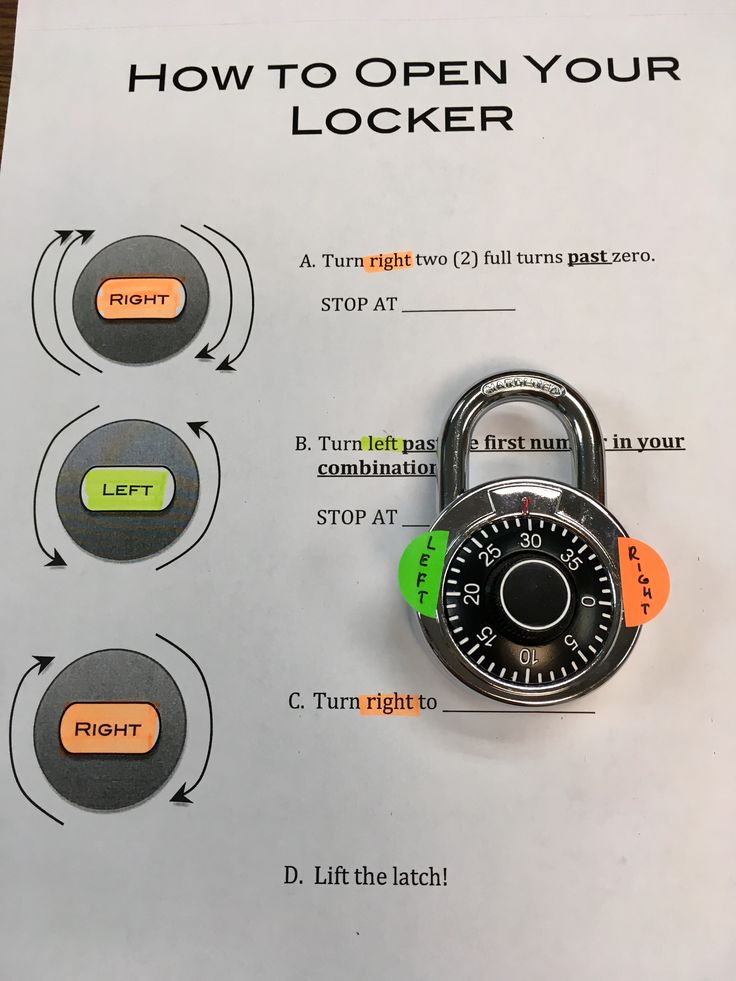
School Locker Lock Instructions: Step-by-Step Guide
Learning how to use a school locker lock correctly can save you time and stress during a busy day. These sturdy metal storage units line the hallways of most...

100+ School Locker Quotes Witty Inspirational Sayings For Students
School lockers have long been more than just storage spaces for books and backpacks. They've evolved into canvases for self-expression, with school locker...
Find School Locker Locations Brisbane Fast Easy Guide
Finding the perfect school locker location in Brisbane can make a significant difference to your daily school routine. Not only does it help you stay...