School Locker Hack: How to Master Your Storage Space
Learning school locker how to basics can transform your daily school routine from chaotic to calm. A locker is more than a metal box; it is your personal command center for books, devices, and personal items between classes.
When you master organization and speed, you gain back time, reduce stress, and walk to your next class with confidence. This guide walks you through setup, daily habits, and advanced tricks so you can use your locker like a pro from day one.
Getting Started and Initial Setup
Before you can use the space efficiently, you need to understand the combination or digital lock system provided by your school. Take note of any reset procedures and never share your combination publicly to maintain security.


Clear out the packaging and inspect the interior for any damage or debris, because a small pebble can prevent the door from closing smoothly. Establishing a clean, empty space initially makes it easier to build a logical system later.
Know Your Lock
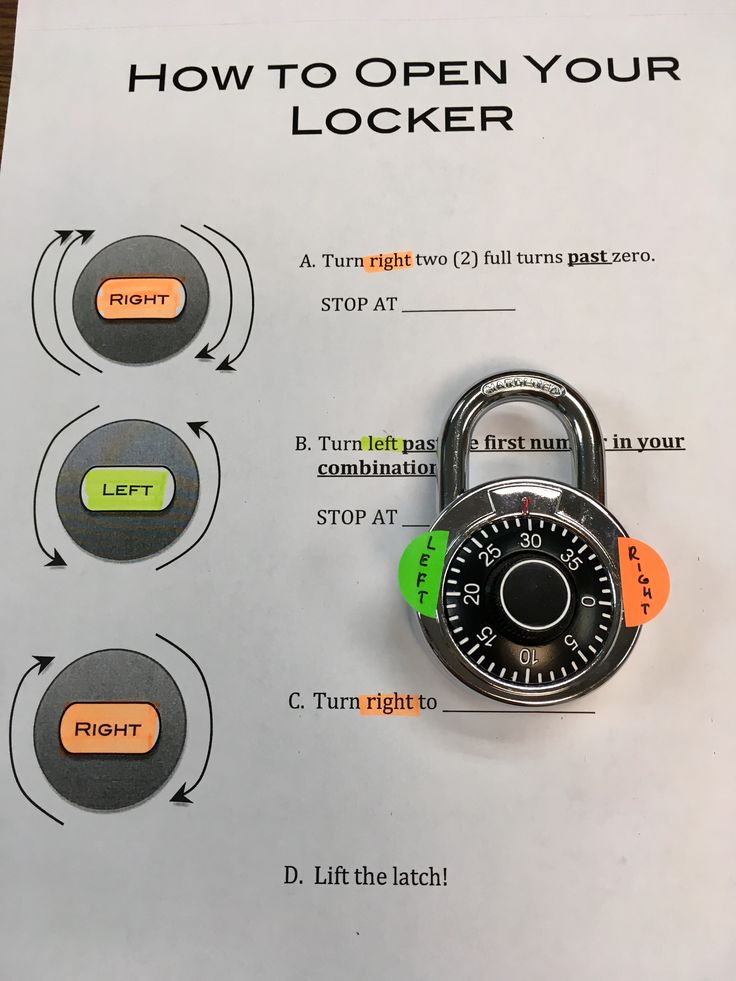
Practice dialing your combination slowly several times in the hallway or at home if allowed, so you can open the door quickly between classes. Familiarity with the dialing direction and stopping points reduces fumbling and prevents the anxiety of getting stuck during busy transition times.


Memorize the combination using a mnemonic or rhythm rather than writing it on stickers attached to the lock, which are an open invitation for theft or tampering. Treat the lock like a personal boundary that protects your belongings and privacy throughout the school day.
Organize from Day One
Place heavier items like textbooks low in the locker and lighter items like notebooks on top to prevent strain when you pull the door open. Using simple containers or trays keeps small items such as calculators and earbuds from disappearing into the back corner.
Think vertically and horizontally, assigning a shelf or corner for each subject or activity so you know exactly where to grab what you need. A few minutes of planning during the first week saves you time and embarrassment for the rest of the year.




Daily Use and Maintenance Habits
Efficient school locker how to usage means quick in and quick out, especially during the five or six minutes between classes. Prepare your mindset to move briskly while staying calm, and keep an eye on your surroundings to avoid accidental collisions in crowded hallways.
Always close the door fully and listen for it seating into the frame to ensure security. A quick visual check for scratches or sticky spots helps you catch maintenance issues early before they turn into bigger problems with school facilities staff.
Speed Techniques
Memorize a consistent routine, such as opening the lock while stepping into the hallway, so you are ready the moment you reach the locker. Grouping items for the next class together in a specific pocket of your bag reduces the time you actually need to spend inside the locker.


Use timed drills on weekends to improve your pace without rushing dangerously, turning practice into a game that builds muscle memory. Over time, opening the door, retrieving items, and closing up becomes a swift sequence you can complete in just a few seconds.
Cleanliness and Security
Schedule a mini cleanup once a week, discarding trash and wiping down surfaces to prevent odors and keep the space pleasant for you and your classmates. A tidy locker signals to others that you take responsibility and care, which can positively influence how teachers and staff view your reliability.
Check school policies regarding decorations and mirrors, because some items might be prohibited for safety or maintenance reasons. Keeping valuables out of sight and never leaving your door open ensures that your belongings remain secure when you are in class or at lunch.
Advanced Organization and Long Term Strategy
Beyond the basics, school locker how to mastery involves thinking ahead about your weekly schedule and the flow of your classes. Analyze which classes occur back to back and group those materials together so you can minimize trips to the locker on heavy days.
Coordinate your locker space with your planner or digital calendar, so you know exactly which books and materials you will need on any given day. This strategic alignment between your physical locker and your academic plan reduces last minute scrambling and supports better focus in class.
Customization Within Guidelines
Add functional accessories like magnetic hooks, a small whiteboard, or subject-specific folders to personalize the interior without violating school rules. These touches help you stay organized and motivated while still respecting the shared nature of the space and any maintenance guidelines.
Communicate with friends about respectful use of the area, ensuring that jokes and horseplay do not block your access or encourage careless behavior. Establishing boundaries early keeps the environment friendly, safe, and efficient for everyone sharing the hallway.
Plan for Emergencies
Keep a small emergency kit in your book bag rather than in the locker, including things like a spare key fob, a pencil, and a mini first aid item. This approach ensures you are prepared for unexpected situations without risking loss or damage to items stored inside the locker.
Memorize the location of nearby staff rooms or main offices where you can seek help if you forget your combination or lock malfunctions during the day. Building a relationship with a trusted teacher or office staff member provides a safety net for those rare but stressful moments.
Mastering school locker how to techniques gives you more than neat shelves; it builds discipline, foresight, and a sense of ownership over your school day. By practicing smart routines now, you create habits that support academic success and confidence throughout the year.
Related Articles

Maximize Space: The Ultimate High School Locker Storage Guide
High school locker storage is often the unsung hero of the daily school routine, quietly managing the chaos of textbooks, coats, and personal items for...
Middle School Locker Decorating Ideas: How to Personalize Your Space
Decorating a locker for middle school is a creative way to express your personality and make your daily routine more enjoyable. Your locker is more than just a...

Maximize Your Space: 25+ Pinterest-Worthy Living Room Storage Ideas
Are you struggling to keep your living room clutter-free and organized? You're not alone. With our busy lifestyles, it's easy for items to pile up and make our...

Small Bed Table Ideas Stylish Space Saving Designs For Your Bedroom Storage
Transforming a small space into a cozy and functional sanctuary can be a rewarding challenge. One often overlooked aspect of small room design is the humble...

Maximize Your Master: 10 Creative Ideas for Extra Space
Transforming an expansive master bedroom from a mere sleeping quarters into a luxurious, multifunctional retreat is an exciting design challenge. With extra...
50 Stunning Locker Ideas for Girls to Personalize Your Space
Creating stylish and functional locker ideas for girls is all about balancing personality with practicality. Every young woman wants a space that feels...