Find School Locker Locations Fast Easy Guide
In the bustling world of education, school lockers have evolved from simple storage solutions to integral components of campus infrastructure. Their strategic placement plays a pivotal role in student convenience, security, and overall school management. Let's delve into the intricacies of school locker locations, their significance, and best practices for optimal utilization.
School lockers are not merely repositories for books and personal belongings; they are microcosms of the school's organizational ethos. Their locations can significantly impact students' daily routines, campus traffic flow, and even school safety. Therefore, careful planning and consideration go into determining the ideal locker locations.
Factors Influencing School Locker Locations
Several factors contribute to the decision-making process when it comes to school locker locations. Understanding these factors can help create a more efficient and student-friendly layout.


1. **Building Architecture and Layout**: The physical structure of the school building dictates where lockers can be placed. Hallways, stairwells, and common areas are typical locations, but the specific layout can influence the number and size of lockers that can be accommodated.
Considerations for Hallway Lockers
Hallways are often the primary location for school lockers. They provide easy access for students and help manage foot traffic. However, care must be taken to ensure lockers do not obstruct emergency exits or create bottlenecks during peak hours.


2. **Student Flow and Accessibility**: The flow of student traffic throughout the day is another crucial factor. Lockers should be placed in areas that students frequently pass through, ensuring they are easily accessible between classes. This can help minimize disruptions to the school day and encourage students to use their lockers regularly.
Placing Lockers Near Classrooms
Locating lockers near classrooms can save students time and reduce congestion in hallways. However, it's essential to strike a balance between convenience and classroom disruption. Lockers should not be so close as to distract students or create noise during lessons.
3. **Security and Safety**: School safety is paramount, and locker locations can play a significant role in maintaining a secure environment. Lockers should be placed in well-lit, visible areas to deter unauthorized access and potential vandalism. Additionally, they should not obstruct emergency exits or create hiding spots that could compromise campus security.


Monitoring Locker Areas
Installing security cameras or placing lockers under constant surveillance can further enhance safety. This not only deters inappropriate behavior but also provides a record in case of any incidents, helping maintain a secure learning environment.
4. **Locker Capacity and Size**: The number and size of lockers required depend on the school's student population and their specific needs. It's essential to provide enough storage space to accommodate all students' belongings without overcrowding or creating a cluttered environment.
Accommodating Different Locker Sizes
Offering a variety of locker sizes can cater to different student needs. For instance, smaller lockers can be ideal for younger students or those who carry fewer items, while larger lockers can accommodate sports equipment or musical instruments.


Best Practices for School Locker Locations
Based on the factors discussed above, here are some best practices for school locker locations:
1. **Consult with Students and Staff**: Involving students and staff in the planning process can provide valuable insights and ensure that the locker layout meets everyone's needs. Surveys or focus groups can help gather feedback and identify potential issues before implementation.
Creating a Locker Layout Committee
Establishing a committee consisting of students, teachers, administrators, and maintenance staff can help ensure that all perspectives are considered when planning locker locations.
2. **Plan for Future Growth**: Schools should anticipate future growth and plan locker locations accordingly. This can help avoid costly renovations or expansions down the line and ensure that the locker system remains functional and accessible as the student population changes.
Flexible Locker Designs
Modular or flexible locker designs can accommodate changing needs and make it easier to reconfigure the locker layout as the school grows or evolves.
3. **Maintain a Balance Between Convenience and Order**: While it's essential to place lockers in convenient locations, it's equally important to maintain order and prevent congestion. Careful planning and signage can help manage student traffic and ensure that lockers are used responsibly.
Implementing a Locker Management System
Using a locker management system can help track locker assignments, monitor usage, and enforce rules. This can not only improve locker utilization but also enhance school security and reduce maintenance costs.
In the dynamic landscape of education, school locker locations are more than just storage solutions; they are integral components of a well-functioning, safe, and efficient learning environment. By carefully considering the factors that influence locker locations and adhering to best practices, schools can create a locker system that serves the needs of their students and staff effectively.
Related Articles

Find School Locker Locations Brisbane Fast Easy Guide
Finding the perfect school locker location in Brisbane can make a significant difference to your daily school routine. Not only does it help you stay...

Find Canada Post Mailbox Locations in Calgary Fast and Easy
Looking for Canada Post mailbox locations in Calgary? You're not alone. With over 1.2 million residents, Calgary is one of Canada's largest cities, and finding...
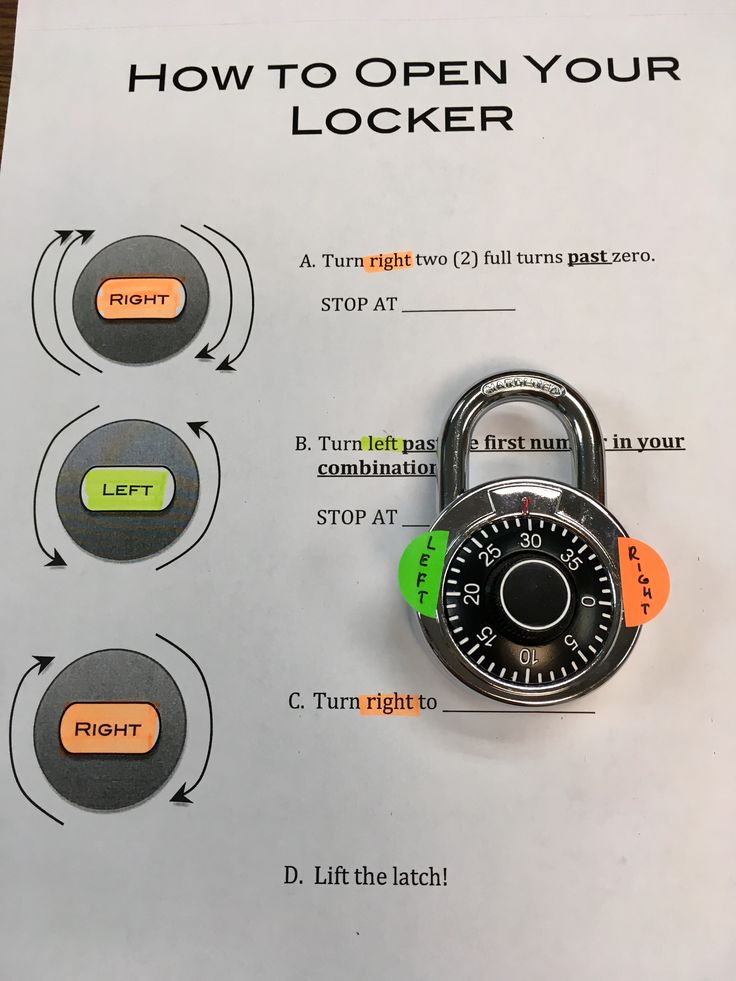
School Locker Lock Instructions: Step-by-Step Guide
Learning how to use a school locker lock correctly can save you time and stress during a busy day. These sturdy metal storage units line the hallways of most...

Maximize Space: The Ultimate High School Locker Storage Guide
High school locker storage is often the unsung hero of the daily school routine, quietly managing the chaos of textbooks, coats, and personal items for...

LNER Table Seat Numbers Guide Find Your Perfect Seat Fast
Understanding the LNER table seat numbers system is essential for any passenger planning a smooth and comfortable journey on London North Eastern Railway...

Find Azalea Leaves Minecraft Location Fast Biome Guide
Embarking on a journey through the vast, blocky world of Minecraft, you might find yourself craving a touch of color and life. Enter the azalea, a vibrant...