The Ultimate School Locker Map Guide: Never Get Lost Again
In the bustling world of education, organization and accessibility are key. One tool that has stood the test of time in maintaining this order is the humble school locker. But with the increasing number of students and the complexity of modern school layouts, navigating these lockers can be a challenge. That's where a school locker map comes in - a simple yet powerful tool that can transform the way students, teachers, and staff interact with their school's storage system.
School locker maps are not just about locating empty spaces or helping new students find their assigned lockers. They are a comprehensive solution that can improve safety, efficiency, and even foster a sense of community within the school. Let's delve into the world of school locker maps, exploring their benefits, types, and best practices for implementation.
Understanding School Locker Maps
At its core, a school locker map is a visual representation of the locker layout within a school. It's a blueprint that shows the location of each locker, their sizes, and often, their assigned users. This information is typically displayed on a floor plan of the school, making it easy to navigate and understand.


School locker maps can be physical, digital, or a combination of both. They can be as simple as a hand-drawn diagram or as complex as an interactive 3D model. Regardless of their form, they all serve the same purpose - to make locker management easier and more efficient.
Benefits of School Locker Maps
Implementing a school locker map comes with a myriad of benefits. Firstly, it improves safety by reducing the risk of lost or stolen items. With a clear understanding of where each student's belongings are stored, it's easier to track down missing items and prevent theft. Secondly, it enhances efficiency. Teachers and staff no longer have to waste time helping students find their lockers or searching for empty spaces. Instead, they can focus on their core responsibilities.


School locker maps also foster a sense of community. They allow students to see who their neighbors are, encouraging interaction and collaboration. Moreover, they can help with school planning and expansion. By providing a clear picture of locker usage and availability, they can inform decisions about future locker installation or school layout changes.
Types of School Locker Maps
As mentioned earlier, school locker maps can take many forms. Here are a few common types:
- Physical Maps: These are typically printed on paper or displayed on posters around the school. They are easy to understand and accessible to all students, regardless of their tech-savviness.
- Digital Maps: These are interactive maps that can be accessed via a school's intranet or a dedicated app. They often include features like locker availability tracking and user-assigned lockers.
- Interactive 3D Models: These are the most advanced type of locker maps. They allow users to virtually walk through the school, locating lockers in a highly intuitive way.
Implementing a School Locker Map
Implementing a school locker map is a straightforward process, but it requires careful planning and consideration. Here are some best practices to keep in mind:


Firstly, involve the entire school community in the planning process. This includes students, teachers, staff, and even parents. Their input can provide valuable insights and ensure the final product meets everyone's needs. Secondly, choose the right tool for your school. Consider factors like budget, tech-savviness of your students, and the complexity of your locker layout.
Creating an Effective School Locker Map
Once you've decided on the type of locker map, it's time to create it. Here are some tips for creating an effective school locker map:
- Use clear, easy-to-understand symbols for different locker types and sizes.
- Include a legend to explain these symbols and provide any additional information, like locker capacity or assigned user.
- Make sure the map is up-to-date and accurate. Regularly review and update it to reflect any changes in locker usage or school layout.
- For digital maps, consider including features like locker availability tracking and user-assigned lockers. This can significantly enhance the map's usefulness.
In the dynamic world of education, a school locker map is not just a useful tool; it's a necessity. It's a simple yet powerful way to improve safety, efficiency, and community within the school. So, why not give it a try? Your school and your students deserve the benefits that a well-implemented school locker map can bring.


Related Articles

Maximize Space: The Ultimate High School Locker Storage Guide
High school locker storage is often the unsung hero of the daily school routine, quietly managing the chaos of textbooks, coats, and personal items for...

The Ultimate Middle School Locker Checklist: Never Forget Your Essentials
Starting middle school is an exciting time, filled with new experiences and challenges. One of the most iconic symbols of middle school is the locker. It's not...
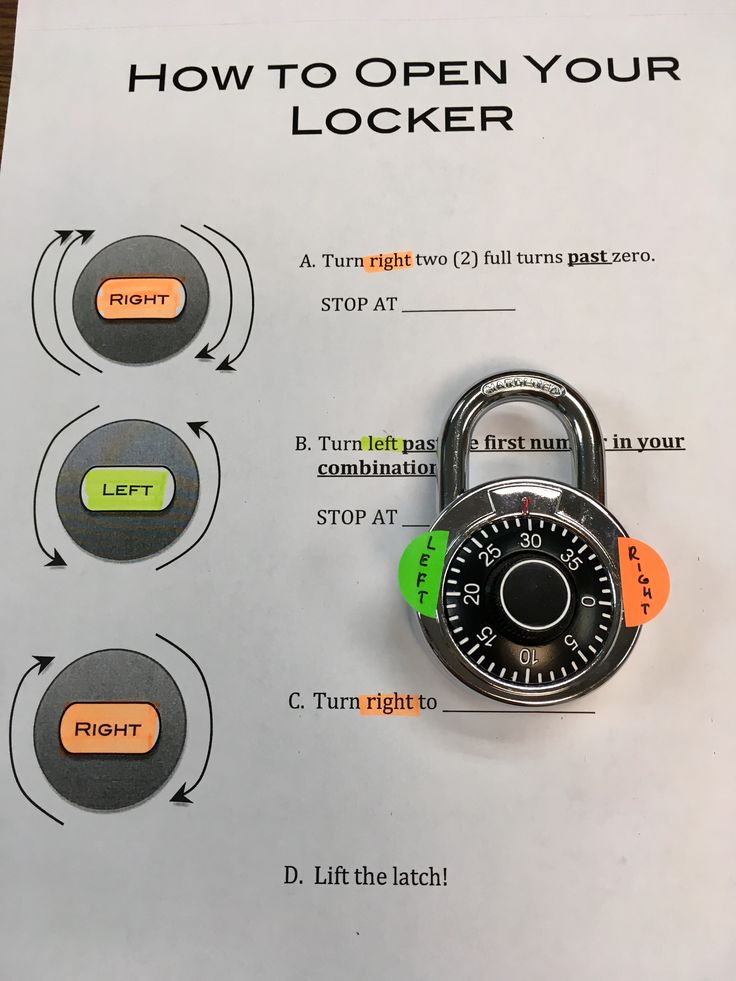
School Locker Lock Instructions: Step-by-Step Guide
Learning how to use a school locker lock correctly can save you time and stress during a busy day. These sturdy metal storage units line the hallways of most...

Find School Locker Locations Brisbane Fast Easy Guide
Finding the perfect school locker location in Brisbane can make a significant difference to your daily school routine. Not only does it help you stay...

How Wide Should a Mudroom Locker Be? The Ultimate Spacing Guide
When designing or choosing a mudroom locker, one of the most crucial considerations is its width. The ideal width can significantly impact the functionality...

The Ultimate Filing System School Guide For Organized Students
Imagine walking into a well-organized office, where every document has its place, and you can find anything you need in seconds. That's the power of a...