The Ultimate Guide to School Locker Mechanism Secrets and Tips
School lockers are an essential component of the educational infrastructure, providing students with a secure and convenient space to store their belongings. But have you ever wondered about the mechanism behind these seemingly simple structures? Let's delve into the world of school locker mechanisms, exploring their types, components, and how they ensure the safety of your child's possessions.
At the heart of every school locker lies a mechanism designed to secure its contents. These mechanisms vary, but they all serve the same purpose: to keep items safe and accessible only to the locker's owner. Let's explore the two most common types of school locker mechanisms.
Combination Locks
Combination locks are a classic choice for school lockers, offering a simple yet effective means of securing personal belongings. They consist of a dial with numbers, which, when spun to the correct sequence, unlocks the locker door.


Combination locks are favored for their ease of use and durability. They require no keys, which can be easily lost or misplaced, and they are less prone to damage than other types of locks. However, they do require users to remember a specific sequence of numbers, which can be challenging for younger students.
Dial Configuration
The dial on a combination lock is typically numbered from 0 to 9, with some models offering additional numbers or symbols. The user spins the dial to the predetermined combination, usually in a specific direction, to unlock the locker. Some combination locks may also have a reset feature, allowing users to change their combination if needed.


To enhance security, some combination locks offer a 'trial' feature, which locks the locker after a certain number of incorrect attempts. This helps to deter potential intruders from attempting to guess the combination.
Types of Combination Locks
Combination locks come in various types, including traditional dial locks, digital locks with keypads, and even biometric locks that use fingerprints for identification. Each type offers its own advantages, from the classic simplicity of dial locks to the high-tech convenience of digital and biometric models.
Digital combination locks, for instance, often provide additional features like automatic locking and an alarm to alert users if the locker door is left open. Biometric locks, on the other hand, offer enhanced security by using unique biological characteristics, such as fingerprints, to identify the locker's owner.


Keyed Locks
Keyed locks are another popular choice for school lockers, offering a straightforward and reliable means of securing personal belongings. They use a physical key to unlock the locker door, providing a tangible sense of security.
Keyed locks are favored for their simplicity and ease of use. They require no memory for combinations and can be easily opened with a single key. However, they also come with their own set of challenges, such as the risk of keys being lost or stolen.
Key Types
Keyed locks can use various types of keys, including traditional metal keys, smart keys with electronic chips, and even digital keys that use Bluetooth technology to unlock the locker. Each type of key offers its own advantages, from the classic simplicity of metal keys to the high-tech convenience of smart and digital keys.


Smart keys, for example, can be programmed to work with multiple lockers, providing a convenient solution for students who use multiple lockers throughout the day. Digital keys, meanwhile, can be controlled using a smartphone app, allowing users to unlock their locker with a simple tap on their screen.
Padlocks and Latch Locks
Keyed locks can be further categorized into padlocks and latch locks. Padlocks are independent locks that can be attached to a locker door using a hasp, while latch locks are built into the locker door itself and engage with a strike plate on the locker frame.
Padlocks offer the advantage of being portable, allowing users to take their lock with them if they need to move their locker. However, they also come with the risk of being cut or picked by a determined intruder. Latch locks, on the other hand, are more securely attached to the locker door, but they cannot be removed without damaging the locker.
In the world of school locker mechanisms, there's a lot more going on than meets the eye. From the simple yet effective combination lock to the high-tech convenience of digital and biometric locks, each mechanism offers its own unique advantages and challenges. As schools continue to evolve, so too will the mechanisms that keep our belongings safe and secure. So, the next time you spin the dial on your locker or insert your key, take a moment to appreciate the ingenuity behind this everyday marvel of engineering.
Related Articles

Maximize Space: The Ultimate High School Locker Storage Guide
High school locker storage is often the unsung hero of the daily school routine, quietly managing the chaos of textbooks, coats, and personal items for...

Ultimate Guide to Chain Locker Chain Storage Solutions & Tips
In the realm of marine operations, space management is a critical aspect, especially when it comes to storing essential equipment like chains. This is where...

The Ultimate Guide to Japanese Interior Design: Styles Tips and Secrets
Japanese interior design, often referred to as Wabi-Sabi or Seijaku, is an art form that combines simplicity, minimalism, and a deep respect for nature. It's...

The Ultimate Guide to Being a Tiki Owner: Tips Trends and Profits
Ever wondered about the fascinating world of tiki culture and the dedicated individuals who bring it to life? Meet the tiki owner, a passionate enthusiast who...

The Ultimate Guide to Tackle Storage Kayak Organization Tips
A tackle storage kayak represents a smart investment for anglers who refuse to compromise between performance and organization on the water. This specialized...
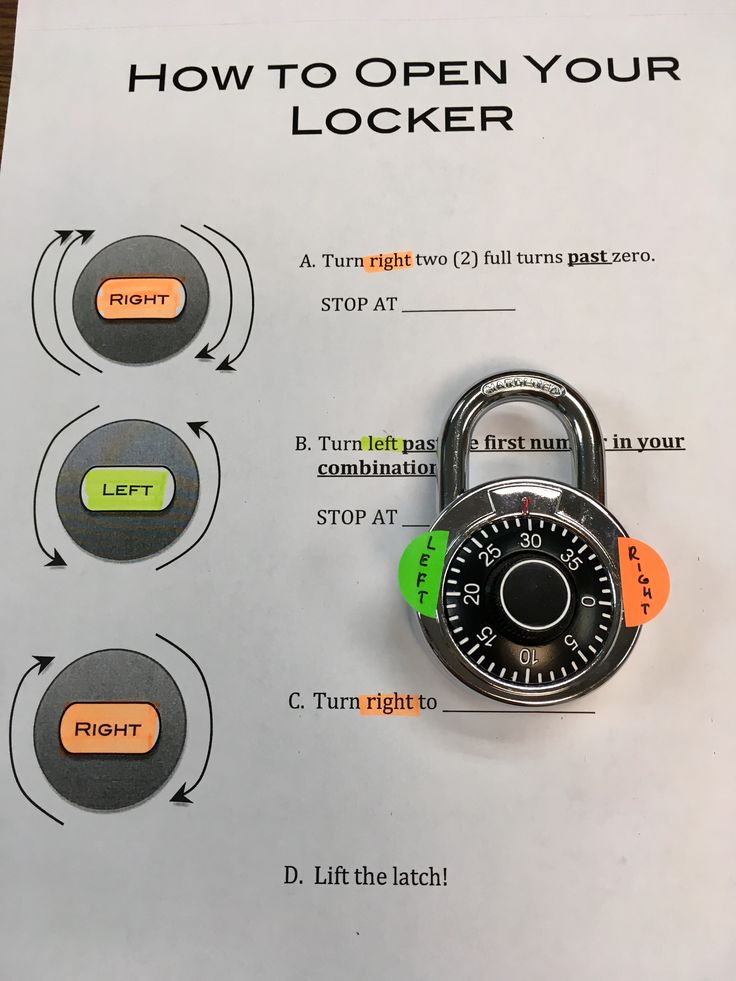
School Locker Lock Instructions: Step-by-Step Guide
Learning how to use a school locker lock correctly can save you time and stress during a busy day. These sturdy metal storage units line the hallways of most...