School Locker Removal Cost: How Much & Why
Understanding the school locker removal cost is essential for parents, school administrators, and facility managers when planning budgets and campus maintenance. Every educational institution deals with the lifecycle of student storage, from installation to eventual replacement, and knowing the financial implications helps avoid unexpected expenses. This article breaks down the key factors that influence pricing and provides practical guidance on managing these projects efficiently.
School lockers endure heavy daily use, leading to wear, damage, or complete obsolescence that requires organized removal rather than simple cleaning. The complexity of the job, including the number of units, accessibility, and disposal requirements, directly affects the total school locker removal cost. By examining each component of the process, stakeholders can make informed decisions and allocate resources more effectively.
Factors That Determine Pricing
The primary factor influencing the school locker removal cost is the total number of units to be cleared, as larger projects require more time and labor. Accessibility plays a critical role, with ground-floor or easily reachable locations reducing difficulty and cost compared to units situated on multiple floors or in cramped spaces. Additional variables include the condition of the lockers, the need for permits, and specific disposal instructions from local authorities.


Many service providers offer tiered pricing models that separate demolition, hauling, and recycling or donation services. Schools must clarify whether the quoted price covers debris removal, site cleanup, and proper documentation of disposal. Understanding these details ensures that the school locker removal cost reflects a complete and transparent service without hidden fees.
Project Scope and Scale
A small project involving a single hallway or a few classrooms is generally less expensive than a campus-wide clearance that spans multiple buildings. Contractors often provide volume discounts when several hundred or thousand lockers are removed during a single initiative. Accurate measurements and detailed inventories help contractors provide precise estimates, reducing the risk of budget overruns.


Scheduling also affects the final school locker removal cost, with after-hours or weekend work sometimes carrying premium rates due to logistical challenges. Coordination with school calendars minimizes disruptions and can lead to more flexible pricing. Clear communication about timelines ensures that the project proceeds smoothly without unnecessary delays or rework.
Logistical Challenges
Narrow hallways, stairwells, and crowded common areas can complicate the removal process and increase labor hours. Specialized equipment such as dollies, ramps, or protective covers may be necessary to prevent damage to walls and floors, adding to the overall expense. Careful planning of entry and exit points helps streamline operations and keeps the school locker removal cost within expected ranges.
Temporary storage requirements for lockers that are relocated or repaired must also be factored into the budget. Some institutions opt to store units on-site in designated areas before final disposal, while others arrange off-site facilities. These choices influence transportation needs and the duration of the project, directly impacting costs.


Disposal and Recycling Considerations
Lockers made of metal, plastic, and wood often qualify for recycling, which can reduce the final school locker removal cost through rebates or lower landfill fees. Responsible disposal practices align with sustainability goals and help schools meet environmental compliance standards. Contractors who prioritize recycling and proper waste segregation typically offer detailed reporting on how materials are handled.
Hazardous components such as old locks with electronic mechanisms or damaged coatings may require special handling under local regulations. Ensuring that the contractor is licensed to manage these materials prevents legal issues and protects the school community. Transparent waste management policies should be part of the selection process when evaluating the overall school locker removal cost.
Donation and Reuse Programs
Some organizations accept gently used lockers, turning potential waste into valuable resources for community programs or other institutions. Donating functional units can reduce removal expenses by shifting responsibility to partner groups willing to handle transportation and installation. Schools should document all donations carefully to support inventory audits and potential tax benefits.


Reusing lockers on other campuses can also be a cost-effective strategy, especially in growing districts with fluctuating enrollment. Evaluating the condition and security features of each unit helps determine whether refurbishment is feasible. When reuse is not possible, understanding the school locker removal cost for demolition and recycling ensures realistic budgeting.
Regulatory and Environmental Compliance
Local ordinances often dictate how metal, electronic, and composite materials must be discarded, influencing contractor selection and service pricing. Schools must verify that the chosen provider adheres to these rules to avoid fines or project stoppages. Environmental regulations regarding refrigerants in older lockers or chemical residues may add steps to the removal process.
Working with contractors who offer detailed compliance documentation provides peace of mind and supports long-term planning. Including these requirements in early discussions helps refine the school locker removal cost estimate and prevents surprises. Proactive engagement with authorities ensures that the project proceeds without interruption.
Taking the time to assess quantities, logistics, and regulatory obligations allows schools to manage the school locker removal cost with confidence and clarity. Thoughtful planning not only controls expenses but also promotes sustainability and safety across campus. By collaborating with experienced professionals and maintaining open communication, institutions can navigate replacements and removals smoothly while focusing on their educational mission.
Related Articles

How Much Does Tube Removal Cost?
If you're considering having your fallopian tubes removed, you're likely wondering about the cost involved. The procedure, known as a tubal ligation or...

Hot Tub Removal Cost: How Much Does It Cost?
If you're considering removing your hot tub, you're likely wondering about the costs involved. Hot tub removal can vary significantly depending on several...

Chimney Breast Removal Cost: How Much to Open Up?
Understanding how much does it cost to open up a chimney breast is essential for any homeowner considering a period property renovation. This project involves...

How Much to Add on a Covered Porch Cost Estimator 2024
Adding space to your covered porch can transform an ordinary outdoor area into a true extension of your home, but many homeowners struggle with how much to add...

Locker Decorations Ideas for Middle School: Trendy Designs & DIY Hacks
Middle school is such a transformative time, and the way students personalize their spaces can say a lot about their growing sense of self. A locker is more...
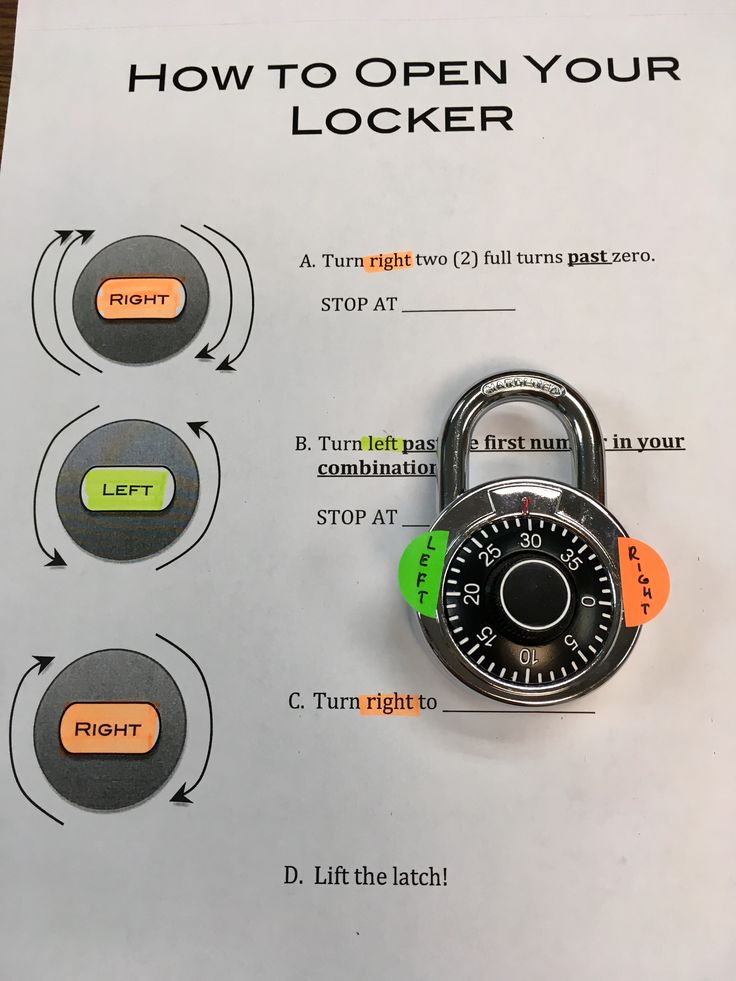
School Locker Lock Instructions: Step-by-Step Guide
Learning how to use a school locker lock correctly can save you time and stress during a busy day. These sturdy metal storage units line the hallways of most...