School Locker Rules: Essential Guidelines for Students
School lockers are a staple in educational institutions, providing students with a secure space to store their belongings. However, to ensure the safety, security, and cleanliness of these shared spaces, schools implement specific rules and guidelines. Let's delve into the world of school locker rules, exploring their importance, common regulations, and best practices.
School lockers serve multiple purposes. They help students keep their books, personal items, and sports equipment organized and accessible throughout the day. Moreover, they foster a sense of responsibility and independence, allowing students to manage their belongings independently. To maintain these benefits and prevent misuse, schools enforce a set of rules governing locker usage.
Understanding the Importance of School Locker Rules
School locker rules play a crucial role in maintaining a safe, orderly, and respectful learning environment. They help prevent theft, vandalism, and the misuse of school property. By adhering to these rules, students can enjoy the benefits of locker usage while minimizing potential risks and issues.


Furthermore, locker rules promote a culture of responsibility and accountability. They teach students the importance of respecting shared spaces and the property of others. By understanding and following these rules, students can develop essential life skills, such as self-discipline, respect, and responsibility.
Common School Locker Rules
While the specific rules may vary from one school to another, several common regulations govern the use of school lockers. These include:


- Locker Assignment and Responsibility: Schools typically assign lockers to students, with each student responsible for their assigned locker's cleanliness and security.
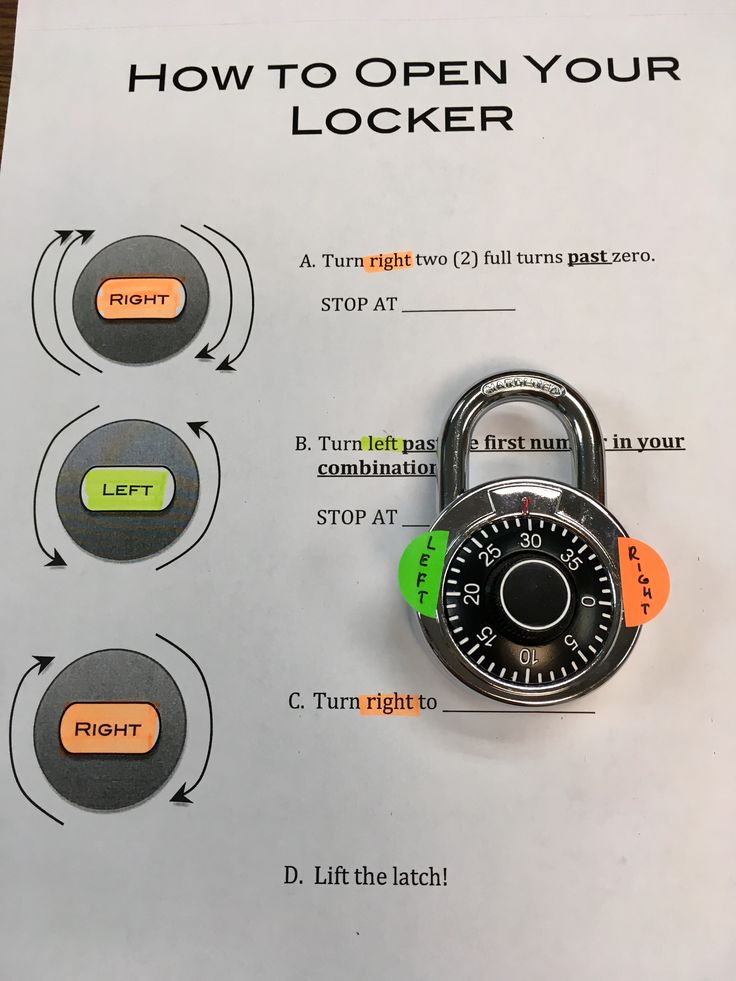
- Locker Combination Security: Students are usually required to keep their locker combinations confidential to prevent unauthorized access.
- Prohibited Items: Schools often restrict certain items, such as weapons, drugs, alcohol, or valuables exceeding a specific monetary value, from being stored in lockers.
- Locker Inspections: Schools may conduct random locker inspections to ensure compliance with rules and maintain a safe learning environment.
- Locker Cleanliness: Students are typically expected to keep their lockers clean and organized, with regular clean-outs required to prevent the accumulation of trash or hazardous materials.
Best Practices for School Locker Usage
To ensure a positive locker experience for all students, consider the following best practices:
- Respect Others' Property: Never tamper with or damage another student's locker, and always respect the belongings stored inside.
- Keep Your Locker Organized: Maintain a clutter-free locker to make the most of your storage space and ensure easy access to your belongings.
- Report Maintenance Issues: If you notice any damage or maintenance issues with your locker, promptly report them to your school's facilities management team.
- Use Your Locker Responsibly: Store only permitted items in your locker and avoid leaving valuables unattended to minimize the risk of theft or loss.
The Role of School Locker Rules in Promoting a Positive School Culture
School locker rules contribute to a positive school culture by fostering a sense of community, responsibility, and mutual respect. By adhering to these rules, students can help maintain a safe, clean, and orderly learning environment that benefits everyone.
Moreover, the enforcement of locker rules allows schools to address potential issues proactively, preventing minor problems from escalating into more significant concerns. By working together to uphold these rules, students, teachers, and administrators can create a harmonious and productive learning environment.


Encouraging Open Communication about School Locker Rules
To ensure students understand and follow school locker rules, it is essential to maintain open lines of communication. Schools can achieve this by:
- Clearly Communicating Rules: Ensure students and parents are aware of the school's locker rules by distributing handbooks, posting signs, and discussing the guidelines during orientation sessions.
- Providing Regular Reminders: Periodically remind students of the importance of following locker rules through announcements, posters, or emails to reinforce their understanding and compliance.
- Encouraging Student Input: Involve students in the development and review of locker rules to foster a sense of ownership and commitment to their enforcement.
In the dynamic and ever-evolving landscape of education, school locker rules play a vital role in maintaining a safe, orderly, and respectful learning environment. By understanding and adhering to these rules, students can make the most of their locker privileges while contributing to a positive school culture. As students embrace their responsibility in upholding these guidelines, they not only benefit from a well-organized and secure storage space but also develop essential life skills that will serve them well beyond their school years.



Related Articles

High School Pool Rules: Essential Guidelines
High school pool rules exist to keep every student safe while they learn to swim, have fun, and build confidence in the water. These guidelines turn a...

100+ School Locker Quotes Witty Inspirational Sayings For Students
School lockers have long been more than just storage spaces for books and backpacks. They've evolved into canvases for self-expression, with school locker...
Middle School Locker Designs: Inspiring Ideas for Students
Choosing the right locker designs for middle school is a pivotal decision that impacts daily organization and personal confidence. At this unique age, students...

CT Basement Stair Code: Essential Rules & Safety Guidelines
Understanding ct basement stair code is essential for any homeowner or builder in Connecticut looking to finish an under level space. These rules determine how...
Essential Storage Locker Rules Tips and Regulations
Storage lockers have become a popular solution for individuals and businesses seeking extra space. However, to ensure a smooth and secure experience, it's...

Laundry Room Rules: Essential Guidelines
Transforming a simple utility space into a well-organized, efficient, and pleasant environment is no small feat, but with the right laundry room rules, it's...