School Locker Sizes: A Comprehensive Guide
Choosing the right school locker sizes is one of the most practical decisions parents and students face at the start of the academic year.
These storage spaces act as a student's personal command center for books, devices, and supplies, making the dimensions a key factor in daily efficiency.
Understanding Standard Locker Dimensions
Most public schools in the United States follow a standard design based on an 8 feet tall by 3 feet wide by 2 feet deep footprint.


This translates to roughly 243.84 cm in height, 91.44 cm in width, and 60.96 cm in depth, providing a consistent volume across many districts.
Height and Weight Capacity
The near eight-foot height of a standard locker offers ample vertical space for hanging coats or storing longer items like project boards.


Because these units are built from thick steel and concrete, the weight capacity is substantial, often exceeding one hundred pounds without issue.
Width and Door Configuration
A width of three feet allows for a single large door, which usually swings outward to provide easy access for students during busy class changes.
The depth of two feet is specifically engineered to hold standard backpacks and layered textbooks without forcing the door to bulge open.


Variations in Elementary School Lockers
Elementary school locker sizes tend to be scaled down to accommodate the smaller stature of younger children.
These units prioritize safety and accessibility, ensuring that even the smallest students can reach their shelves and open the door with ease.
Lower Height and Shallow Depth
You will often find these lockers reduced in height to around 6 feet, with a shallower depth of just 18 inches to 20 inches.


This adjusted sizing prevents overstuffed compartments and makes it easier for children to organize their personal items independently.
Adjustable Shelving and Bright Colors
Many elementary models feature adjustable shelving, allowing the interior space to grow with the student throughout the year.
Bright colors and fun graphics are common, helping young learners identify their storage spot quickly while adding a cheerful environment.
Accommodating Special Needs and Accessibility
Inclusive design has led to the development of school locker sizes tailored for students with physical disabilities.
These units prioritize a knee space and a lowered shelf, creating a welcoming environment for wheelchair users.
Compliance with ADA Standards
Accessibility lockers often meet or exceed ADA requirements, ensuring that the grab bars and maneuvering clearance are up to standard.
The hardware is designed for easier grip, and the combination mechanisms are positioned within a comfortable reach range for all users.
Integrated Charging Stations
Modern adaptations include built-in charging ports, allowing students with medical devices or communication tools to stay powered throughout the day.
These thoughtful integrations demonstrate how locker design is evolving to support diverse learning needs.
Maximizing Space in Modern Learning Environments
As schools adopt new teaching methods, the role of the locker has shifted from simple storage to a versatile asset.
Teachers and administrators must consider locker dimensions when planning the flow of foot traffic in crowded hallways.
Double-Tier and Stacked Units
Some institutions install double-tier lockers, effectively stacking two units vertically to serve twice the number of students in the same footprint.
This strategy is ideal for schools with limited wall space but a high demand for personal storage.
Mobile and Modular Solutions
Mobile locker carts on wheels offer flexibility for labs or shared spaces where permanent fixtures are not feasible.
These units can be relocated as class schedules change, providing a dynamic answer to spatial constraints.
Understanding the variety of school locker sizes available ensures that every student can find a secure and comfortable place for their belongings.
By matching the specific needs of the user to the physical specifications, schools can create a more organized and efficient daily routine.
Related Articles

Bedroom Vanity Sizes: A Comprehensive Guide
Choosing the right bedroom vanity sizes is one of the simplest ways to elevate both the functionality and aesthetic of your personal space. Whether you are...
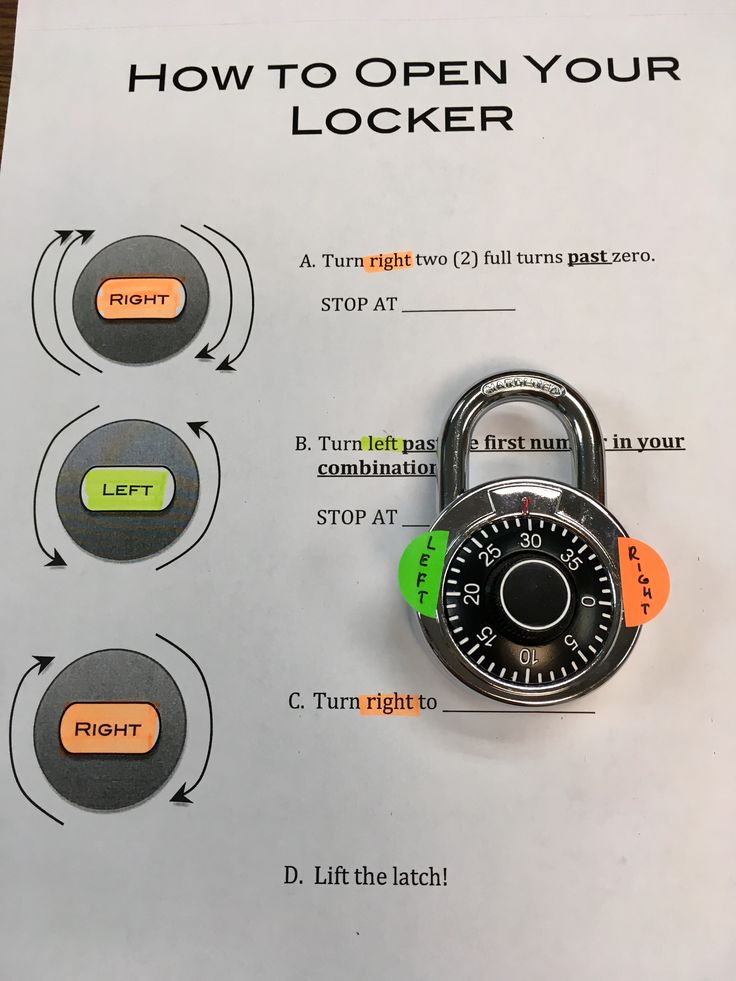
School Locker Lock Instructions: Step-by-Step Guide
Learning how to use a school locker lock correctly can save you time and stress during a busy day. These sturdy metal storage units line the hallways of most...

Find School Locker Locations Brisbane Fast Easy Guide
Finding the perfect school locker location in Brisbane can make a significant difference to your daily school routine. Not only does it help you stay...

High School Basketball Traveling Rules: A Comprehensive Guide
Understanding high school basketball rules on traveling is essential for players, coaches, and fans who want to grasp the fundamentals of the game. These...

Maximize Space: The Ultimate High School Locker Storage Guide
High school locker storage is often the unsung hero of the daily school routine, quietly managing the chaos of textbooks, coats, and personal items for...
Standard School Locker Size in Inches: The Complete Guide
Determining the standard school locker size in inches is essential for planning efficient storage solutions in educational environments. These compartments are...