Science Fair Project Poster Board Examples: Creative Ideas and Templates
Selecting science fair project poster board examples is often the first tangible step that turns a fleeting idea into a visible learning journey. A well designed board does more than simply display data; it acts as a visual narrative that guides judges and visitors through your hypothesis, methods, and discoveries. By examining high quality science fair project poster board examples, you can learn how to structure information clearly, balance text with graphics, and create a display that invites curiosity. This article explores practical strategies and specific examples to help you transform your experiment into an engaging, professional looking presentation.
Beyond aesthetics, the choice and execution of your poster board directly influence how effectively you communicate your scientific thinking. Organizers and teachers often rely on visual cues to quickly assess your understanding of variables, controls, and conclusions. Looking at diverse science fair project poster board examples allows you to see how different disciplines, from physics to biology, adapt the same core principles to their unique questions. These templates serve as flexible guides rather than rigid rules, encouraging you to adapt layouts to your own experimental story while maintaining clarity and impact.
Planning the Layout and Flow
The foundation of any impressive display starts with a thoughtful layout that organizes information logically and naturally. Many science fair project poster board examples use a classic structure with a clear title, introduction, methods, results, and conclusion sections arranged in a left to right or top to bottom flow. This familiar path helps viewers follow your reasoning without confusion, ensuring that even complex procedures become easy to grasp at a glance.


White space, color blocking, and consistent font choices are subtle yet powerful tools that elevate a busy board into a polished piece of science communication. By studying science fair project poster board examples, you can observe how designers use borders and background colors to separate sections while keeping the overall look cohesive. Balancing text density with striking images of your setup or data charts prevents the board from feeling crowded and keeps your audience engaged throughout your presentation.
Arranging Key Sections
Place your main title at the top center, using large, bold letters that are readable from a distance to instantly announce your topic. Below the title, dedicate a narrow band to your problem statement and hypothesis, providing just enough context to set the stage without overwhelming the viewer. Science fair project poster board examples often reserve the upper central area for this question and hypothesis, creating a clear focal point that anchors the entire design.


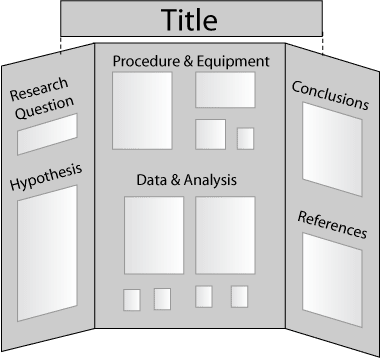
Surround the core question with the methods, data, and analysis sections, arranging them in the order that mirrors your experiment. Use columns or distinct zones to prevent overlap, and ensure each part has a visible subheading that guides the eye. Many science fair project poster board examples highlight the reproducibility of the work by detailing materials and step by step procedures, so judges can see exactly how you arrived at your results.
Visual Hierarchy and Readability
Establish a strong visual hierarchy by varying font sizes for headings, subheadings, and body text so that the most important points stand out immediately. High contrast between text and background, such as dark letters on a light panel or vice versa, improves legibility from several feet away. Science fair project poster board examples frequently incorporate graphs and photos with labeled captions, turning raw numbers into compelling evidence that supports your claims.
Limit the number of font styles and stick to simple, clean typefaces that maintain professionalism even on a crowded display board. Graphics should complement your data, not distract from it, so choose charts and diagrams that directly illustrate your key findings. By following these principles observed in science fair project poster board examples, you create a visually balanced board that communicates competence and attention to detail.


Crafting Clear Data Presentation
Data visualization is at the heart of a winning science fair project poster board, turning complex results into an accessible story for any audience. Well designed charts, tables, and graphs allow viewers to compare conditions, see trends, and grasp outcomes in seconds. Reviewing science fair project poster board examples helps you decide which types of diagrams best represent your measurements, whether that is a bar graph for categorical data or a line plot for changing variables.
Equally important is accuracy, as even a small mislabeling in units or scales can undermine your entire argument. Science fair project poster board examples often include close up shots of neatly drawn axes, clearly numbered scales, and error bars when applicable, emphasizing the rigor behind the display. Pair these visuals with concise captions that highlight the most relevant patterns, so judges can quickly understand the significance of each figure.
Designing Effective Graphs
Choose graph types that align with your data, such as bar graphs for group comparisons, line graphs for time based changes, and pie charts for proportions, but use each sparingly to avoid clutter. Every axis should have a clear label, unit of measurement, and a logical scale that makes trends easy to spot without unnecessary gaps or compressed ranges. Science fair project poster board examples show how color coded bars or distinct line styles can differentiate experimental groups while maintaining a clean, organized appearance.


When displaying raw data tables, focus on the most relevant measurements and summarize where appropriate, rather than overwhelming the board with every single observation. Highlight key outcomes with color or bold text only when it enhances understanding, ensuring that the scientific integrity of the numbers remains evident. These design choices, inspired by science fair project poster board examples, allow you to present data in a way that is both rigorous and visually inviting.
Connecting Visuals to Conclusions
Each visual element should directly tie back to your central question, making it clear how the data supports or refutes your hypothesis. Arrows, callout boxes, or brief annotations can guide the viewer’s eye to the most critical trends, explaining why a particular spike or dip matters. Science fair project poster board examples often include a small section near the graphs that explicitly links patterns to the broader scientific context, strengthening your overall argument.
Avoid adding visuals that do not contribute new information, as excessive or decorative images can dilute the impact of your findings. By carefully curating your graphs and tables, and mirroring the clarity seen in science fair project poster board examples, you ensure that your conclusions feel earned and well supported. This intentional approach to data presentation not only satisfies judges but also helps your audience remember the core message of your project.
Refining Content and Final Polish
Once the layout and data are in place, refining the text ensures that your ideas are communicated with precision and accessibility. Science fair project poster board examples often feature concise phrases rather than dense paragraphs, using bullet points and short sentences to convey methods, results, and implications quickly. This style respects the viewer’s time and attention, making it easier to absorb the key takeaways even from a busy display area.
Proofreading for spelling, grammar, and unit consistency is a crucial final step that many students overlook, yet it significantly affects the perceived professionalism of your work. Compare your science fair project poster board examples to your own board, checking that every term is defined, every abbreviation is explained, and every number is accurate. A clean, error free presentation signals to judges that you take your research seriously and have paid attention to detail throughout the entire process.
Balancing Detail and Brevity
While it is tempting to include every fascinating detail of your experiment, the best science fair project poster board examples strike a balance between depth and brevity by focusing on the most influential findings. Aim for a narrative that moves from question to evidence to implications, using as few words as possible without sacrificing scientific accuracy. Subheadings, numbered steps, and labeled diagrams can replace lengthy explanations, allowing viewers to grasp your process at a glance.
Consider the background knowledge of your audience and adjust the level of detail accordingly, ensuring that younger visitors can follow along while still providing enough technical content for expert judges. Science fair project poster board examples often feature a tiered approach, with a simple headline summarizing each section and a slightly more detailed paragraph beneath for those who want to dig deeper. This strategy keeps your board welcoming and informative for a wide range of viewers.
Final Checks Before Display
Before the fair, step back and view your board from a distance to confirm that the title, section headings, and key visuals are easy to read without squinting. Adjust the size of text and elements so that the most important information stands out even in a crowded room. Science fair project poster board examples remind you to double check alignment, spacing, and overall color contrast, ensuring that your display looks cohesive from top to bottom.
Practice your oral explanation alongside the visual board so that your words complement the graphics and data rather than repeating them verbatim. This preparation helps you answer questions confidently and highlight the innovation or real world relevance of your work. By taking the time to refine both the visual and verbal aspects of your presentation, you turn your science fair project poster board examples into a living demonstration of your scientific curiosity and communication skills.
As you review different science fair project poster board examples, remember that the goal is to communicate your scientific journey in a way that is both accurate and engaging for diverse viewers. Every layout decision, data visualization, and word choice shapes how judges and peers perceive your dedication to the project. Allow these examples to inspire your own creative approach while staying true to the questions that sparked your investigation in the first place.
Treat your poster board as an extension of your experiment, where clarity, accuracy, and visual appeal work together to tell a compelling story about your scientific exploration. With thoughtful planning and attention to detail, your board can stand out not only for its design but also for the insight it reveals into your thinking process. As you prepare for your next showcase, let these examples guide you in crafting a display that invites questions, highlights your discoveries, and reflects your genuine passion for science.
Related Articles
Tri Fold Poster Board Examples Creative Designs Templates
Tri fold poster board examples serve as a versatile foundation for creating eye catching displays that capture attention at any event. These physical visuals...

25+ Magnet Project Ideas for Science Fair and Creative Learning
Exploring magnet project ideas can transform the way you interact with everyday objects, turning ordinary spaces into organized and inspiring environments...

Savanna Biome Project Ideas Creative Science Experiments For Students
Exploring savanna biome project ideas opens up a world of ecological wonder and hands-on learning. These landscapes, where grasses meet scattered trees, offer...

101 Poster Board Ideas For Plants Creative Display Tips
Turning a simple sheet of poster board into a vibrant plant display can instantly refresh a living room or brighten a dull workspace. Poster board ideas for...

Creative Pumpkin Patch Board Ideas for Your Next DIY Project
Pumpkin patch board ideas bring the cozy charm of the harvest season straight into your home, turning everyday walls into warm focal points. These displays are...

150+ Science Poster Board Examples for Winning Projects
Creating an effective science poster board requires careful planning and a clear understanding of how to communicate complex ideas visually. Whether you are a...