100+ Catchy Science Fair Theme Ideas for Winning Projects
Choosing a science fair theme is often the very first spark that determines whether a project will feel like a chore or a thrilling adventure, and getting this step right can transform a simple assignment into a memorable learning journey. The right idea connects personal curiosity with scientific principles, making it easier to ask meaningful questions, design fair tests, and communicate findings to judges, teachers, and visitors. Because these events aim to demonstrate real scientific practices, the theme should be focused enough to be manageable within time and resource limits, yet open-ended to allow genuine discovery. Students, parents, and educators all benefit from a clear, structured approach that turns the sometimes overwhelming task of selection into an exciting opportunity for hands-on investigation.
Beyond just picking a topic that sounds cool, a strong science fair theme lays the groundwork for authentic inquiry and skill development, helping participants practice everything from research planning to data analysis. When the theme aligns with classroom curriculum or local environmental conditions, it becomes easier to gather materials, find reliable references, and stay motivated through the project timeline. A well chosen focus also ensures that the hypothesis is testable and the variables can be clearly defined, which are essential elements for rigorous experimentation. By considering interests, available tools, and the expectations of judges early on, students set themselves up for a more organized, enjoyable, and successful experience.
Exploring Personal Interests and Everyday Curiosity
Starting with personal interests is one of the most effective ways to select a science fair theme, because genuine curiosity fuels persistence, attention to detail, and willingness to troubleshoot when experiments do not go as planned. Students who love cooking, sports, music, or art often find that these passions provide a rich context for exploring chemistry, physics, or biology concepts in a way that feels relevant and engaging. Translating a daily hobby into a testable question encourages deeper observation, such as measuring how different substances affect materials or how variables like timing and intensity influence outcomes. This personal connection not only makes the research more enjoyable, but also helps presenters explain their motivation confidently in front of an audience.


Everyday environments are full of potential science fair theme ideas, because familiar settings offer accessible materials and observable phenomena that are easy to study in a controlled way. For example, questions about plant growth, cleaning efficiency, or energy use at home can become the basis for well structured investigations that demonstrate scientific reasoning. By observing problems or patterns in kitchens, gardens, classrooms, or local parks, students can identify variables to manipulate, measure, or compare. These real world contexts make it simpler to collect reliable data and connect findings to broader scientific concepts, turning ordinary experiences into extraordinary learning opportunities.
Kitchen Chemistry Experiments
Kitchen chemistry is a popular category for science fair projects because the necessary materials are usually inexpensive, safe, and easy to handle with proper supervision. Themes such as testing the effects of acid and base reactions, comparing natural and artificial preservatives, or measuring how temperature affects fermentation provide clear hypotheses and observable results. These experiments highlight the scientific process through familiar substances, making it easier to explain concepts like pH, catalysis, and chemical equilibrium to judges and visitors. Moreover, kitchen based investigations encourage careful measurement, repetition, and error analysis, which are key skills in laboratory science.


Another advantage of using food and household products in a science fair theme is the ability to design visually engaging demonstrations that capture attention while conveying scientific principles clearly. For instance, exploring how different liquids affect eggshells as a model for tooth decay, or testing which natural dyes change color under various conditions, combines observation with storytelling. Participants can document variables such as concentration, exposure time, and environmental conditions to show how each factor influences the outcome. By presenting data through charts, photographs, and simple explanations, students strengthen their communication skills and deepen their understanding of the underlying chemistry.
Sports and Physical Activity Investigations
Sports and fitness related science fair theme ideas allow students to explore biomechanics, energy transfer, and physiology while staying active and engaged in the project. Questions about how shoe design affects running speed, how ball surface influences flight path, or how warm up routines impact performance encourage careful planning and precise measurement. These projects often involve timing devices, motion tracking apps, or simple observation scales to collect quantitative data that can be analyzed and compared. By linking physical activity to scientific concepts, participants highlight the real world applications of physics and biology in an exciting and relatable way.
In addition to testing equipment or techniques, sports themed investigations can examine how environmental factors such as temperature, surface type, or altitude influence athletic outcomes. Students may design experiments to measure reaction times, balance, or endurance under different conditions, using consistent procedures and controlled variables to ensure accuracy. Clear documentation of methodology, including how trials are repeated and how results are recorded, reinforces good scientific habits. These projects not only demonstrate critical thinking, but also inspire audiences to consider how science plays a role in everyday recreation and health.


Addressing Environmental and Social Relevance
Many students are drawn to science fair theme ideas that connect to environmental stewardship or community wellbeing, and these topics can foster a strong sense of purpose and responsibility. Investigations about local water quality, air pollution, soil health, or energy conservation allow participants to collect data from their own neighborhoods and see tangible evidence of environmental conditions. Such projects often highlight the importance of careful observation, long term monitoring, and the use of appropriate tools like sensors, test kits, or digital meters. By framing the inquiry around real world issues, students learn how scientific literacy can inform decisions and encourage positive change.
Social relevance also extends to examining how human behavior, technology use, or design choices affect everyday life, which can lead to innovative science fair theme ideas in fields such as psychology, public health, and engineering. For example, projects might explore how different classroom layouts influence concentration, how light exposure affects sleep patterns, or how simple machines can make tasks more efficient. These investigations blend quantitative data with qualitative observations, encouraging researchers to consider both numbers and human experiences. The result is often a project that resonates with judges, teachers, and peers because it reflects thoughtful questioning and practical implications.
Conservation and Biodiversity Studies
Exploring local ecosystems through a science fair theme focused on conservation and biodiversity provides hands on experience with field observation, data collection, and ecological principles. Students may investigate how different watering schedules affect plant health, how light pollution impacts insect behavior, or how the presence of certain species indicates habitat quality. By setting up controlled comparisons and recording detailed notes, participants develop skills in systematic sampling and pattern recognition. These projects often inspire deeper engagement with nature and encourage responsible environmental attitudes among both researchers and viewers.


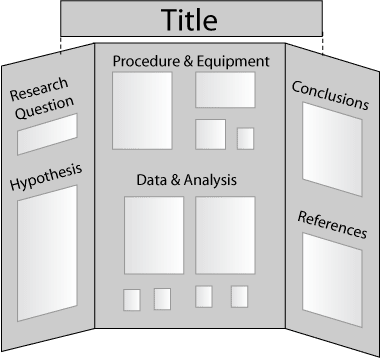


Another strength of biodiversity centered investigations is the opportunity to use photography, sketches, and species identification tools to document findings in a vivid and accessible way. Graphs, maps, and simple statistics can turn observations about bird visits, leaf diversity, or soil organisms into compelling evidence that supports the hypothesis. Clear explanations of methods, such as how transects were laid out or how variables like sunlight were measured, help audiences understand the reliability of the results. By combining scientific rigor with visual storytelling, students create projects that are both educational and memorable.
Technology, Engineering, and Innovation
Technology and engineering oriented science fair theme ideas appeal to students who enjoy building, programming, or designing solutions to practical problems. Projects might involve creating simple circuits, testing the efficiency of different insulation materials, or prototyping devices that automate everyday tasks. These investigations emphasize the engineering design process, including brainstorming, prototyping, testing, and refining, which mirrors how innovation works in the real world. Participants learn to document each stage of development, analyze what works and what does not, and adjust their models based on evidence.
When exploring technology related themes, it is important to define clear variables and success criteria so that results can be measured and compared fairly. Whether testing how blade shape affects wind turbine output or how coding logic influences game performance, students practice precision, logical reasoning, and creative problem solving. Visual aids such as diagrams, flowcharts, and short videos can enhance presentations by showing how the system works step by step. These projects not only demonstrate technical understanding, but also inspire curiosity about how technology shapes modern life and future possibilities.
Selecting a science fair theme does not have to be stressful when approached with curiosity, careful planning, and a willingness to learn through trial and error. By considering personal interests, everyday phenomena, environmental concerns, and emerging technologies, participants can find a topic that is both meaningful and feasible. The process of designing a question, testing ideas, analyzing results, and sharing discoveries builds confidence, critical thinking, and communication skills that extend far beyond the classroom. With thoughtful preparation and a clear focus, every science fair becomes an opportunity to explore, understand, and enjoy the ever fascinating world of science.
Related Articles

Diorama Science Fair: Winning Projects and Display Tips
Exploring science through a diorama at the science fair turns abstract concepts into a tangible, walkable landscape that sparks curiosity in every visitor...

Interactive Hospital Model Ideas for School Projects Science Fair Blueprint
Transforming the traditional classroom into a dynamic learning environment is an exciting challenge for any school project. One innovative approach gaining...

25 Winning Science Fair Model Ideas for Curious Minds
Choosing science fair model ideas can feel overwhelming, but the right project turns curiosity into a hands-on adventure. A strong model helps students...

Innovative Job Fair Theme Ideas to Attract Top Talent
Planning a job fair requires thoughtful theme ideas that capture attention and align with your audience’s aspirations. A strong theme acts as a narrative...

Fun Fair Theme Ideas For School Carnival Games And Learning Stalls
Organizing a school fun fair is an exciting opportunity to bring the community together while raising funds and creating lasting memories for students...

15+ Catchy Theme Ideas for Office Events to Boost Morale
Planning an office event can feel like a balancing act between professional goals and genuine enjoyment, especially when searching for the perfect theme ideas...