Shell Baptism Symbol: Meaning and Spiritual Significance
Water has long served as a powerful motif in spiritual practice, and the shell baptism symbol captures this element in a form that is both delicate and profound. Across traditions, shells have functioned as vessels, instruments, and emblems that connect the physical act of immersion with a deeper inner transformation. This article explores the shell baptism symbol as a bridge between tangible ritual and intangible grace, inviting readers to contemplate how simple natural objects can carry layers of sacred meaning.
From a symbolic standpoint, the curve of a shell can echo the shape of a womb, suggesting return, containment, and renewal. When water is poured, dripped, or gently splashed with a scalloped shell during a baptismal rite, the action animates an ancient dialogue between the outer body and the inner spirit. The shell baptism symbol thus becomes more than a tool; it is a quiet reminder that sacred moments often arise from the most unadorned materials.
Historical Roots and Cultural Expressions
The use of shells in ritual cleansing predates modern organized religion, appearing in coastal communities where the sea itself was both a giver and a remover of life. Shells collected from shorelines were naturally suited to holding water, and their organic curves made them intuitive cups for blessing and renewal. Over time, these practical implements absorbed stories, myths, and theological nuances, evolving into a distinct shell baptism symbol that speaks to human vulnerability and divine welcome.


In various cultural settings, artisans etched intricate patterns onto shell surfaces, turning each vessel into a unique testimony of devotion. The interplay of water, shell, and light during a ceremony can create a shimmering effect that feels otherworldly, reinforcing the sense that the ritual operates on a realm beyond the merely material. As these traditions encountered one another through trade and migration, the shell baptism symbol absorbed diverse accents while retaining its core function as a mediator of sacred water.
Indigenous and Ancestral Practices
Many Indigenous peoples have long integrated shells into water-related ceremonies, seeing them as conduits that honor local waterways and the beings within them. A shell might be cupped in prayer, used to anoint foreheads, or gently poured over the head of a child entering community life. In these contexts, the shell baptism symbol is inseparable from the land, the ocean, and the ancestors whose guidance is whispered through the surf.


Because shells are biodegradable and return to the earth with minimal trace, they embody a sustainable approach to ritual that modern seekers are increasingly drawn to. The act of choosing a shell, perhaps collected personally from a shoreline, can deepen one’s sense of responsibility toward the environment. Here, the shell baptism symbol transforms into a living lesson about reciprocity, reminding participants that they are guests within a larger web of life.
Christian and Liturgical Traditions
Within Christian liturgy, water has long been associated with death to sin and new birth in Christ, and the shell baptism symbol has occasionally appeared in this narrative. Artists have depicted John the Baptist using shells or shell-like vessels in representations of Jesus’s baptism, highlighting water’s role in public proclamation of grace. Even when shells are not explicitly mentioned in scripture, their imagery has been appropriated to evoke purity, receptivity, and the overflowing nature of divine mercy.
Medieval artisans sometimes incorporated shell motifs into baptismal fonts and church doorways, drawing on the shell’s natural curvature to evoke the womb of the Church. Pilgrims might also collect small shells during journeys as tangible reminders of spiritual rebirth experienced at holy sites. Over centuries, these practices helped embed the shell baptism symbol within a broader visual language of renewal that continues to resonate in contemporary worship spaces.
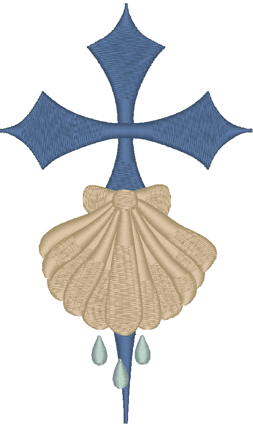


Modern Interpretations and Personal Practice
Today, people from eclectic spiritual backgrounds are rediscovering the shell baptism symbol as a way to personalize ceremonies that honor both tradition and intuition. A couple preparing for a child might choose a shell to pour water during a naming ritual, infusing the act with oceanic imagery of depth and constant change. Similarly, an individual marking a milestone of healing could use a shell to anoint their own forehead, claiming agency while still participating in an ancient vocabulary of symbols.
The adaptability of the shell makes it accessible to urban dwellers and rural residents alike, especially when shells are ethically sourced or repurposed from beachcombing outings. By integrating a shell baptism symbol into private devotion or small group gatherings, participants often report a heightened sense of presence. The simple physicality of holding, pouring, or observing water move through a curved surface can anchor abstract ideas about grace in immediate sensory experience.
Design, Material, and Ethical Considerations
When selecting a shell for ritual use, people frequently consider its size, shape, and the sound of water moving against its interior surface. Larger conch shells produce a deeper resonance, while smaller scallop shells offer a more delicate, intimate feel. These tactile and auditory qualities can influence the tone of a ceremony, making the shell baptism symbol not only a visual motif but also an acoustic one that shapes the mood of the gathering.


Ethical sourcing has become an important aspect of working with shells, as mindful practitioners seek to avoid disrupting ecosystems or taking from protected habitats. Using shells that wash ashore naturally, purchasing from responsible artisans, or repurposing vintage specimens can align the practice with principles of environmental stewardship. In doing so, the shell baptism symbol extends its meaning to encompass care for the living systems from which it originates.
Integrating the Symbol Into Contemporary Ceremonies
Modern rituals may blend the shell baptism symbol with other elements, such as herbs, breathwork, or spoken invocations, to create a multisensory experience. Water poured from a shell can be accompanied by music, poetry, or quiet reflection, allowing the symbol to function as a flexible focal point rather than a rigid script. Because the meaning is co-created by those present, the shell can carry highly personal associations while still participating in a shared tradition.
In therapeutic or pastoral contexts, the shell baptism symbol can offer a gentle entry point for conversations about identity, transition, and belonging. A facilitator might invite someone to pour water from a shell while articulating intentions for self-compassion or forgiveness. This tangible action can make inner shifts feel more concrete, bridging the gap between insight and lived experience.
As seekers continue to explore rituals that resonate with their lives, the shell baptism symbol offers a quiet yet potent way to honor water, memory, and transformation. Its simplicity invites deeper questions about how everyday objects can carry grace, and how ancient gestures can be reimagined without losing their essence. Engaging thoughtfully with this symbol allows each person to write their own chapter in a long, unfolding story of human longing and divine welcome.
Related Articles

Scallop Shell Symbol of Baptism Spiritual Meaning and Significance
The scallop shell symbol of baptism represents one of the most elegant and enduring visual metaphors in Christian art, connecting the faithful to a story of...

Conch Shell Symbol Meaning Spiritual Significance SEO
The conch shell, a spiral-shelled sea creature, has captivated humans for centuries, not just for its aesthetic beauty, but also for its symbolic significance...

Scallop Shell Symbol of La Concha de Vieira Spiritual Meaning and Significance
The scallop shell symbol of la concha de vieira carries a profound spiritual resonance that has traveled across centuries and oceans. Often recognized by its...

Scallop Shell Symbol St James Meaning Spiritual Pilgrimage SEO
The scallop shell symbol st james is one of the most enduring emblems in Christian tradition, representing pilgrimage, faith, and the journey toward spiritual...

Scallop Shell Symbol Meaning Spiritual Christian Jewelry Seashell History
The scallop shell symbol carries a rich layer of meaning that spans art, spirituality, and cultural tradition, making it one of the most recognizable motifs in...

Scallop Symbol Meaning Spiritual Significance And Cultural Interpretations
The scallop symbol carries a rich tapestry of meaning that spans centuries, cultures, and disciplines. Often recognized by its elegant, fan-like shape, this...