Should You Clean Window Screens?
Window screens are a subtle yet essential part of any home, quietly keeping bugs out while allowing fresh air and light to flow in. Over time, dust, pollen, and urban grime build up on the mesh, and many homeowners wonder whether they should dedicate time to cleaning them. The short answer is yes, but the real value lies in understanding why this task matters for your comfort, health, and home maintenance routine.
Beyond aesthetics, the condition of your window screens directly affects indoor air quality and the efficiency of your ventilation system. When screens are clogged with debris, less air moves through your windows, which can make rooms feel stuffy and contribute to the accumulation of indoor pollutants. Regular cleaning helps ensure that your home remains a healthier and more pleasant place to live on a daily basis.
Improved Indoor Air Quality and Comfort
Clean window screens allow for better airflow, which plays a critical role in maintaining healthy indoor air. When screens are covered in dust and dirt, the air passing through your windows can carry those particles into your living space, potentially aggravating allergies and respiratory conditions.


By routinely including screens in your cleaning schedule, you reduce the amount of trapped allergens and create a more breathable environment. This simple step can complement your regular home cleaning efforts and contribute to a fresher atmosphere throughout your home.
Enhanced Ventilation Efficiency
Dirty screens form a barrier that restricts airflow, forcing your living areas to rely less on natural ventilation. When you clean your window screens thoroughly, you restore proper air circulation and help maintain the intended function of your windows.


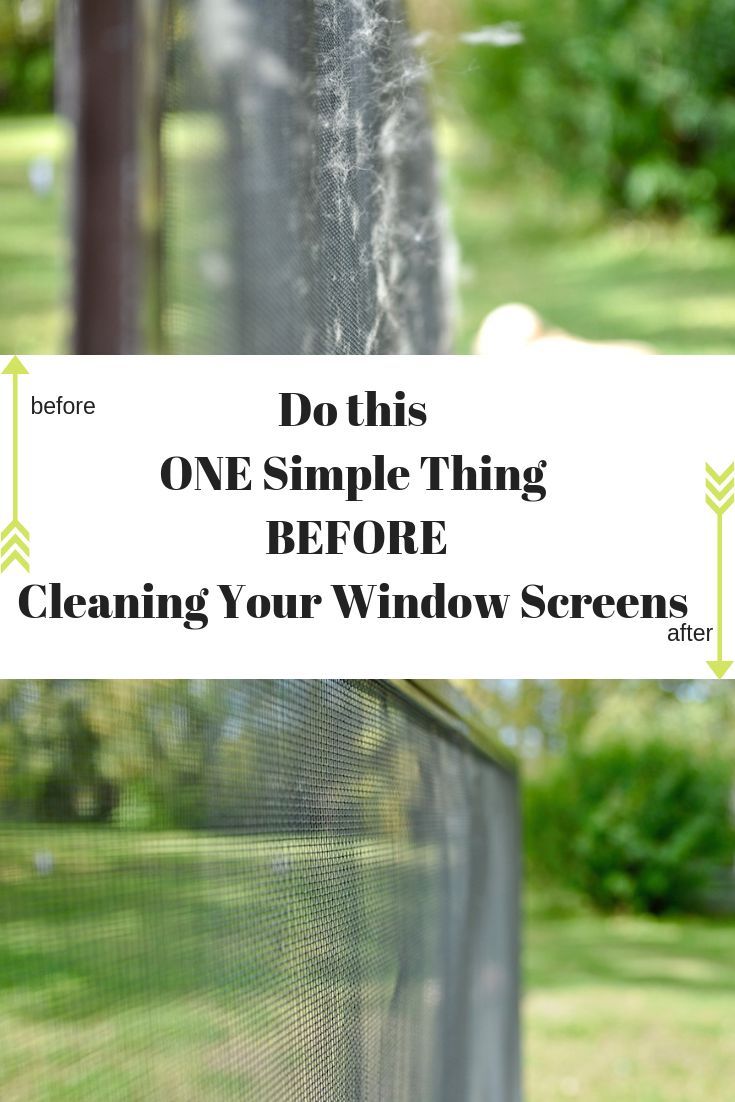
Better ventilation also means that your home can dry more quickly after rain or humidity spikes, reducing the risk of mold growth and unpleasant odors. This improved airflow supports a more comfortable indoor climate without the constant need for mechanical cooling or fans.
Allergen and Pollen Control
Seasonal pollen and outdoor allergens often settle on screen surfaces, and every breeze can push these particles through the mesh and into your home. For people who suffer from allergies, keeping screens clean is a practical way to minimize exposure.
Regular rinsing and gentle scrubbing during your cleaning routine can significantly lower the amount of pollen that enters your living areas. This simple habit helps you enjoy open windows during peak allergy seasons while still protecting your indoor air quality.


Protection of Window Frames and Home Exterior
Window screens act as a shield against insects, debris, and harsh weather, but when they are dirty, their protective abilities are compromised. Accumulated grime can hold moisture against the screen and nearby window frames, increasing the risk of long-term damage and wear.
By keeping your screens clean, you extend their lifespan and help preserve the overall condition of your windows. This preventive approach reduces the need for frequent repairs and contributes to a well-maintained home exterior.
Prevention of Moisture Damage
Dirt and dust on screens can trap moisture close to the frame, especially in areas with high humidity or frequent rain. Over time, this can lead to warping, rotting, or corrosion of the surrounding materials. Regularly cleaning your window screens helps prevent this excess moisture buildup and supports the longevity of your windows.


Consistent maintenance also makes it easier to spot early signs of damage, such as cracks or rust, allowing you to address issues before they become more serious and costly to fix.
Insect and Pest Deterrence
While screens are designed to keep insects out, a dirty screen can attract pests by holding food particles, moisture, and organic residue. Cleaning your screens regularly removes these attractants and helps maintain their effectiveness as a barrier.
When screens remain clean and intact, you reduce the likelihood of pests finding their way into your home through small openings. This contributes to a cleaner environment and reduces the need for more intensive pest control measures in the future.
Practical Cleaning Tips and Frequency
Understanding how often and how thoroughly you should clean your window screens makes the task more manageable. Most homes benefit from a light cleaning every few months, with a deeper session at the start of each season when windows are used more frequently.
Assessing factors like your local environment, nearby trees, and indoor sensitivity helps you customize a schedule that keeps your screens in optimal condition without becoming a source of stress.
Simple DIY Cleaning Methods
Removing screens from their frames and gently rinsing them with a garden hose is often enough to dislodge loose dirt and debris. For more stubborn grime, a soft brush and mild soap solution can be used safely on most screen materials.
Allowing the screens to air dry completely before reinstalling them helps prevent moisture-related issues and ensures that your windows function smoothly once everything is back in place.
When to Consider Professional Help
If your window screens are large, numerous, or difficult to access, hiring a professional cleaning service can save time and effort. Experts have the tools and experience needed to handle delicate mesh and complex window arrangements safely.
Professional cleaning is especially valuable for high or multi-story windows, where DIY methods may pose a safety risk. This option ensures a thorough job while allowing you to focus on other aspects of home maintenance.
Taking the time to clean your window screens is a small but meaningful step that supports a healthier, more comfortable home environment. Consistent attention to this detail not only preserves your windows but also enhances the way you experience fresh air and natural light in everyday life.
Related Articles

How Often to Clean Nesting Boxes: A Chicken Keeper's Guide
Nesting boxes, or nest boxes, are essential for the health and well-being of backyard chickens. They provide a safe and secure space for hens to lay their eggs...

Should Basement Windows Have Screens?
Basement windows often feel like an afterthought, tucked away below ground level while homeowners focus on curb appeal for the main living areas. Yet these...

Top Lanai Window Parts Guide Replacement Screens Hardware
When it comes to enhancing your home's aesthetics and functionality, few features can rival the elegance and practicality of a lanai. Originating from Hawaiian...

Should All Windows Have Screens?
Deciding whether every window in your home should have a protective screen is one of those small home questions that carries surprisingly large consequences...

Indoor Sun Protection Balcony Curtains UV Blocking Light Filtering Window Shades
Spending time on your balcony can be a delightful experience, but it's crucial to protect yourself from the sun's harmful UV rays. While sunscreen is a must...

What Colors Should You Use in a Small Bathroom? A Complete Guide
Choosing the right colors for a small bathroom is one of the fastest ways to transform how the space feels and looks, turning a cramped room into a serene...