Simple Bar Menu Ideas to Elevate Your Drinks Game
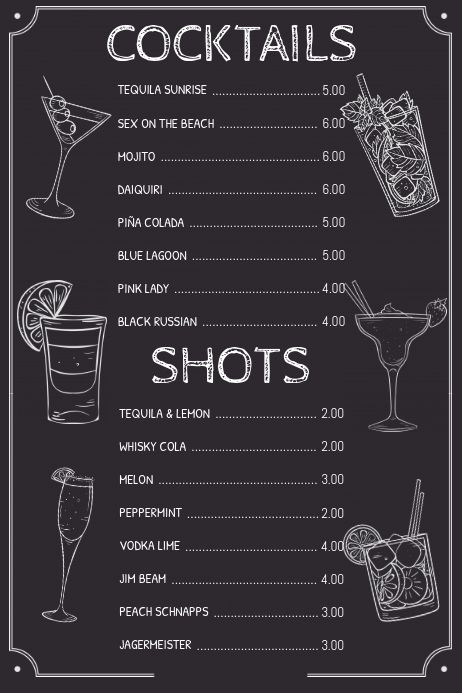
Crafting a simple yet captivating bar menu can significantly enhance your establishment's appeal and customer satisfaction. A well-designed menu not only showcases your offerings but also sets the tone for your bar's unique atmosphere. Let's explore some simple yet effective bar menu ideas that will help you create a memorable dining experience.
Before delving into specific ideas, consider the fundamentals of a great bar menu. It should be easy to read, visually appealing, and clearly organized. Use a clean, legible font, and ensure there's enough white space to avoid overwhelming customers. Now, let's explore some creative and practical bar menu ideas.
Simplifying Your Menu Structure
In today's fast-paced world, customers appreciate simplicity. Streamline your menu by focusing on your bar's signature drinks and popular dishes. This approach makes decision-making easier for customers and highlights your establishment's strengths.


Consider using categories that reflect your bar's theme or personality. For instance, a sports bar might categorize drinks as "Home Team Favorites" and "Visiting Team Specials," while a tiki bar could divide offerings into "Rum-Based Delights" and "Non-Rum Tropical Treats."
Signature Cocktails and House Specials
Signature cocktails are a fantastic way to showcase your bar's unique identity. These drinks should reflect your establishment's personality, using high-quality ingredients and innovative techniques. Feature 3-5 signature cocktails prominently on your menu to entice customers to try something new.


House specials aren't limited to drinks. Consider offering signature appetizers, entrees, or desserts that can't be found elsewhere. Promote these dishes alongside your signature cocktails to create a cohesive dining experience that keeps customers coming back.
Seasonal and Limited-Time Offerings
Keeping your menu fresh and exciting is essential for maintaining customer interest. Regularly update your menu with seasonal specials or limited-time offerings. This approach encourages repeat visits and allows you to showcase different ingredients and flavors throughout the year.
For example, you might offer a "Summer Sipper" cocktail menu featuring light, refreshing drinks during the warmer months, or a "Holiday Feast" menu with hearty dishes and warming cocktails during the winter. Promote these limited-time offerings on your website, social media, and in-store to generate buzz and excitement.


Designing an Engaging Menu Layout
A visually appealing menu can significantly enhance the customer experience and even influence ordering decisions. When designing your menu layout, consider the following tips to create an engaging and user-friendly dining guide.
Use high-quality images to showcase your dishes and drinks. Photos can evoke emotions and stimulate appetites, making customers more likely to order featured items. Ensure images are well-lit, in focus, and accurately represent the dishes they accompany.
Color and Typography
Color and typography play a crucial role in setting the tone for your menu and bar. Choose colors that complement your establishment's decor and branding, and use them strategically to draw attention to key menu items. For example, you might use a bold color for your logo or signature cocktails to make them stand out.


Typography should be clean and legible, with a font size that's easy to read. Consider using different font styles or sizes to create visual hierarchy and draw attention to important information, such as prices or special offers.
Menu Engineering
Menu engineering involves strategically organizing and presenting menu items to influence ordering decisions and maximize profits. By understanding which dishes and drinks are most profitable, you can optimize your menu layout to encourage customers to order higher-margin items.
One popular menu engineering technique is the "pricing strategy." By strategically placing more expensive items near less expensive ones, you can create a perception of value and encourage customers to order more expensive dishes. Another technique is the "item placement strategy," which involves placing high-profit items in prominent positions on the menu to draw attention and increase orders.
Incorporating Interactive and Educational Elements
Engaging customers with interactive and educational menu elements can enhance their dining experience and foster brand loyalty. Consider incorporating the following features to create a more immersive and memorable menu:
**Storytelling:** Share the story behind your signature cocktails or house specials. This could be the inspiration behind a dish, the origin of a recipe, or a personal anecdote from your chef or bartender. Storytelling creates an emotional connection with customers and makes your menu more engaging.
Cocktail and Food Pairings
Offering cocktail and food pairings can help customers make informed decisions and create a more enjoyable dining experience. Provide recommendations for pairing signature cocktails with specific dishes, or create a "flight" of cocktails that complement a particular menu item.
You can also offer a "tasting menu" featuring a selection of small plates paired with corresponding cocktails. This approach allows customers to sample a variety of dishes and drinks while creating a unique and memorable experience.
Educational Content
Incorporating educational content into your menu can help customers appreciate your offerings and make more informed decisions. For example, you might include a brief explanation of the distilling process for a signature spirit, or provide tasting notes for a featured wine.
You can also educate customers about your bar's commitment to sustainability or local sourcing by including information about your suppliers or sustainable practices. This approach not only informs customers but also builds trust and reinforces your brand's values.
By incorporating these simple yet effective bar menu ideas, you can create a captivating dining experience that sets your establishment apart. A well-designed menu is an essential tool for communicating your bar's unique identity, showcasing your offerings, and driving customer satisfaction. So, roll up your sleeves, get creative, and let your menu tell your bar's story.
Related Articles

Simple Tray Ceiling Ideas: 23 Easy Designs to Elevate Your Space
Simple tray ceiling ideas can transform a standard room into a space with architectural sophistication without overwhelming the space. A tray ceiling features...

Cocktail Bar Food Ideas: Elevate Your Drinks with These Tasty Pairings
Creating the ideal cocktail bar experience goes far beyond simply pouring carefully measured spirits into elegant glassware; the true magic happens on the...

100+ Pop Up Table Display Ideas to Elevate Your Brand in 2024
Pop up table display ideas are transforming the way businesses and individuals present information in tight or dynamic environments. Whether you are launching...

Best Selling Appetizer Ideas to Elevate Your Next Party or Event
Choosing the best selling appetizer can transform an ordinary gathering into a memorable experience, whether you are hosting a casual dinner or managing a busy...

Diy TV Frame Ideas: Elevate Your Space
Creating a stunning focal point in your living room is easier than you think, and diy tv frame ideas offer the perfect blend of personal style and technical...

Simple Gate Entrance Ideas Stunning Designs For Your Home curb appeal
Creating simple gate entrance ideas can transform the way people experience your home the moment they arrive. A well chosen entrance feels welcoming, secure...