Simple Dirty Kitchen Design Philippines
Embracing a simple dirty kitchen Philippines design brings a warm, lived in charm to every meal prepared at home. This aesthetic focuses on relaxed functionality rather than strict perfection, celebrating the vibrant street food culture that many Filipino families love.
Within the Filipino home, the kitchen is often the heartbeat of daily life, where laughter, stories, and sizzling pans come together. A simple dirty kitchen Philippines approach taps into this energy by mixing rustic elements with practical layouts that feel authentic and comfortable.
Embracing Natural Imperfections
At the core of a simple dirty kitchen Philippines concept is the acceptance of visible wear and organic textures. Instead of hiding marks, this design highlights them as proof of shared meals and everyday moments.


Using materials like bare concrete, reclaimed wood, and slightly uneven tiles creates a grounded atmosphere. These choices support the relaxed narrative of a kitchen that is always ready for use, even if it shows a little dust or grease.
Color Palette and Material Choices
The typical color story leans toward earthy neutrals, warm creams, and deep accents inspired by local ingredients such as coffee, cocoa, and ripe bananas. These tones work together to soften the raw edges of an unfinished look.


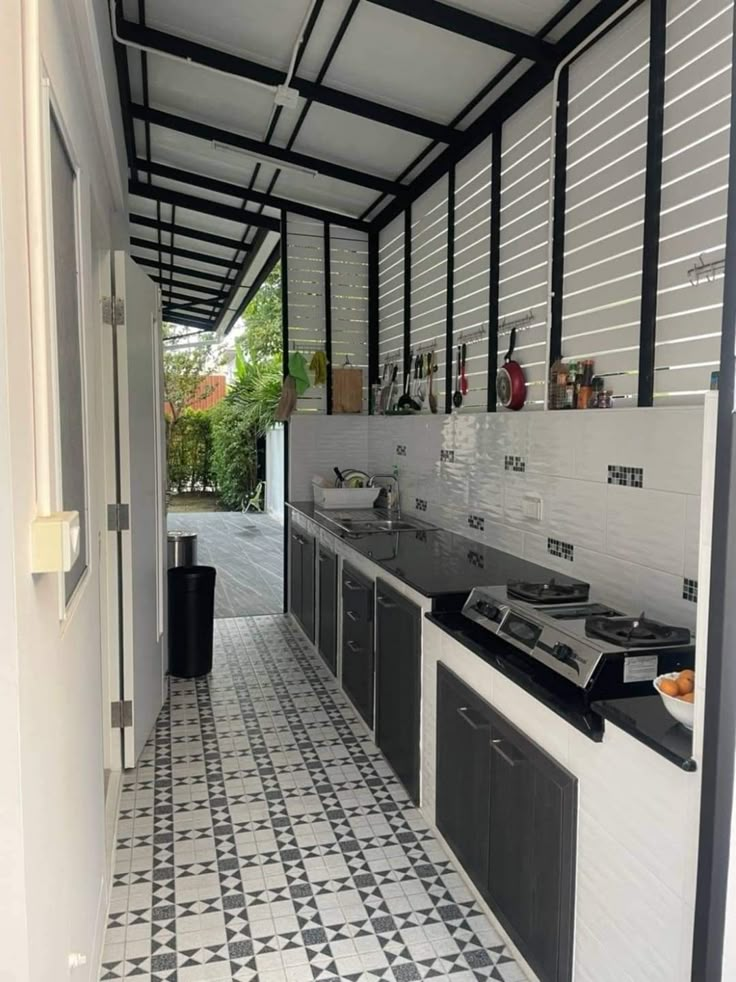
Pairing these hues with simple terracotta pots, woven rattan baskets, and hammered metal fixtures enhances the tactile feel. Together, they form a surface rich in character while remaining easy to maintain in everyday household routines.
Functional Layout for Daily Cooking
A practical layout is essential in a simple dirty kitchen Philippines design, where the distance between the stove, sink, and prep area should minimize steps. Clear zones for washing, chopping, and cooking help maintain a smooth workflow at any time of day.
Open shelving and hanging rails allow frequently used tools to stay within reach, reinforcing the idea that the space is built for real cooking, not just display. This openness also makes cleaning up feel like part of the process rather than a separate chore.


Adding Filipino Inspired Details
Infusing local identity turns a basic setup into a kitchen that tells a distinctly Filipino story. Hand painted signs, vintage enamelware, or family heirloom containers can sit alongside modern appliances without clashing.
Decorating with native plants, such as alupag, bayabas, or simple spider plants, adds freshness and connects the indoor space with the tropical outdoors. These living elements bring movement and scent, making the kitchen feel alive.
Lighting That Creates Mood and Function
Warm, diffused lighting plays a key role in shaping the atmosphere. Hanging capiz shell pendant lights or simple metal fixtures cast a soft glow that flatters the rustic surfaces and worn finishes.


Task lighting under cabinets or near the counter ensures that chopping and stirring remain safe and comfortable in the evening. Layering ambient and focused light keeps the room versatile from dawn to late night.
Storage Solutions for Small Spaces
In many Filipino homes, space is at a premium, so clever storage is essential to keep the kitchen functional yet intentionally lived in. Stackable wooden crates, repurposed tins, and narrow rolling carts can hold spices, utensils, and snacks without looking overly tidy.
Using transparent glass jars for ingredients like rice, beans, and noodles adds a visual rhythm while making it easy to see what needs restocking. This combination of practicality and subtle beauty supports the simple dirty kitchen Philippines ideal.
Balancing Tradition and Modern Convenience
Modern appliances such as induction cooktops, high efficiency refrigerators, and compact rice cookers can sit comfortably within a rustic framework. The goal is to blend familiar tradition with reliable performance, so daily chores feel effortless.
Keeping the wiring, pipes, and fixtures in honest condition reflects the true spirit of this design. A slightly exposed conduit or visible joint becomes a feature rather than a flaw, highlighting the authenticity of the space.
Maintaining the Look Without Over Cleaning
Caring for a simple dirty kitchen Philippines style means regular wiping, timely repairs, and accepting that some stains and smudges are part of the charm. Using natural cleaners like vinegar, baking soda, and calamansi preserves both surfaces and the warm, earthy atmosphere.
Setting up routines that involve everyone in the household helps maintain balance, ensuring the space feels alive rather than neglected. Light sweeping, quick spot cleaning, and occasional deep sessions keep comfort and character in harmony.
Allowing your kitchen to tell a story through scratches, splashes, and shared meals creates a sense of belonging that no perfectly staged room can match. This approach invites creativity, making the space truly your own while respecting Filipino heritage and contemporary needs.
As you refine your layout, mix traditional elements with practical solutions, and remember that the heart of a simple dirty kitchen Philippines design lies in its ability to welcome every moment with resilience and warmth, encouraging you to cook, gather, and enjoy the beauty of everyday living.
Related Articles
Simple Outdoor Dirty Kitchen Design Philippines with Island
Embracing the great outdoors in the Philippines often means embracing a bit of dirt and rustic charm. A simple, yet functional dirty kitchen design can enhance...
Simple Dirty Kitchen Design Ideas Philippines Images 2024: Photos & Inspiration
Filipino homeowners are increasingly drawn to simple dirty kitchen design ideas philippines images that celebrate the beauty of authentic, lived-in culinary...
Small Outdoor Dirty Kitchen Design Ideas Philippines
Transforming your outdoor space into a functional and inviting area for cooking and dining is a dream for many homeowners in the Philippines. A small outdoor...
Simple Outdoor Dirty Kitchen Philippines: Rustic Charm Meets Real Cooking
Living in the Philippines means the line between indoor and outdoor living often disappears, especially when you want to cook under the open sky. An outdoor...
Simple Outdoor Kitchen Design Ideas for the Philippines
Designing a simple outdoor kitchen design ideas Philippines is a fantastic way to transform your backyard into the heart of the home, especially given the...

Simple Kitchen Design Ideas for Small Spaces in the Philippines
Designing a simple kitchen for small spaces in the Philippines is a practical solution that balances style with everyday functionality in a tropical setting...