Simple Fireless Cooking Ideas for Kids
Preparing simple fireless cooking ideas for kids opens a fun new world where little hands can create tasty snacks without turning on the stove. These no-cook recipes build confidence, keep tiny kitchens safe, and teach healthy habits through playful, hands-on food play. With just a few basic tools and fresh ingredients, children can become confident mini chefs from breakfast to bedtime snacking.
By focusing on easy assembly rather than heat, these recipes remove the fear of burns or stove mishaps while still delivering real flavors and satisfying textures. Parents appreciate that fireless cooking keeps the kitchen cool on hot days and avoids constant supervision near hot surfaces. Kids love the sense of independence that comes with arranging colorful layers, mashing soft fruits, and drizzling simple dressings all by themselves.
No-Cook Breakfast and Snack Creations
Starting the day with no-cook breakfast ideas means quick setup and happy eaters who can personalize their plates. These recipes use pantry staples and fresh produce, so families do not need special equipment or advanced techniques. Children learn to recognize colors, practice portion control, and explore new flavors in a stress-free way.


Safety is a huge advantage when little ones press, pour, and sprinkle instead of handling hot pans. You can set out bowls of ingredients, show a simple sequence, and then step back to watch creativity unfold. This section highlights breakfast and snack concepts that keep kids engaged, nourished, and eager to try the next recipe.
Yogurt Parfait Power Jars
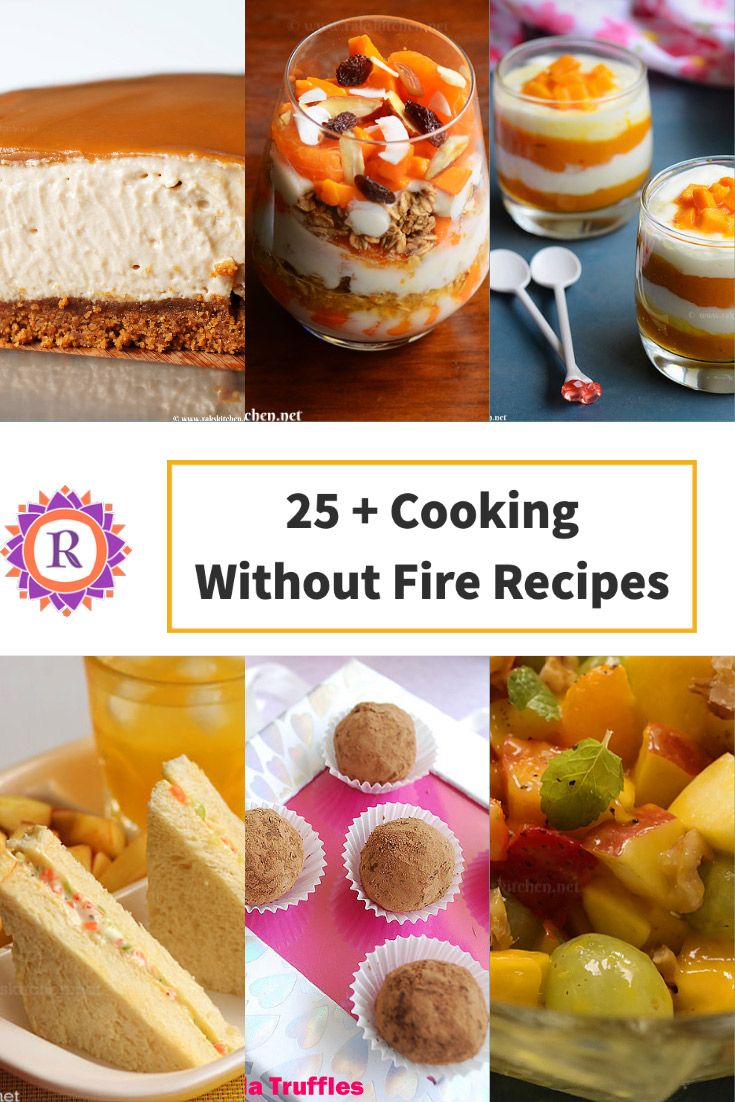
Layered yogurt parfaits teach kids about balance and variety while keeping preparation simple and visually fun. Choose plain or flavored yogurt, add fruits like berries or banana slices, and top with crunchy granola or whole-grain cereal for texture. Each spoonful becomes a lesson in protein, fiber, and natural sweetness without artificial colors.


To assemble, children place yogurt at the bottom of a clear cup, add fruit, repeat, and finish with a sprinkle of seeds or nuts if allergies are not a concern. They can experiment with patterns, swirl colors, and name their creations. These jars travel well for picnics or lunchboxes and encourage mindful eating through visible layers of nutrition.
Veggie Wraps and Crunchy Tunnels
Soft tortillas or flatbreads become edible canvases when kids spread hummus, cream cheese, or mashed avocado and add strips of colorful vegetables. They can roll wraps tightly, slice them into pinwheels, or keep them open-faced for a playful presentation. This activity supports fine motor skills as they spread, place, and press ingredients gently into place.
Pair wraps with crunchy sticks of carrot, cucumber, and bell pepper so children can dip and explore contrasting textures. Offering a choice of dips lets them practice decision-making while staying in a safe, no-fire zone. These wraps can be made ahead, stored in the fridge, and enjoyed within a day, making them ideal for busy mornings or relaxed afternoons at home.



Creative Sandwiches and Light Lunches
Simple fireless cooking ideas for kids grow even more exciting when sandwiches become a chance to experiment with shapes, flavors, and themes. Moving beyond basic triangles, children can press cookie cutters into bread, layer ingredients in fun orders, and create playful combinations that feel special. These lunches encourage independence, since kids can prepare portions for school or outings with minimal help.
Using different breads, spreads, and seasonal fillings keeps taste buds engaged and supports balanced nutrition. Involve children in choosing between whole-grain, sourdough, or colorful wraps, and let them pick mild herbs or spices to sprinkle on top. The focus stays on enjoyment, texture, and easy preparation without any need for heat.
Themed Sandwich Art Days
Turning sandwiches into mini works of art motivates kids to think about balance, contrast, and harmony on the plate. They might arrange cucumber slices as windows in a bread house, use cherry tomato halves for ladybug spots, or create smiley faces with olives and bell pepper strips. This playful approach encourages them to eat the colorful components they helped design.


Provide cookie cutters, small knives with supervision, and a clean cutting board so they can safely shape ingredients. Let them name the theme, like space sandwiches or garden bites, and talk about which colors match their story. The activity builds planning skills and makes ordinary lunch routines feel like a creative project.
Build-Your-Own Mini Box Meals
Mini box meals give kids control over flavors and portions as they layer compartments with sandwiches, fruits, cheese, and crunchy snacks. They can choose mild or bold flavors, learning to pair sweet with savory while staying within safe, no-cook guidelines. These boxes travel well and keep different textures separate until the child is ready to mix them.
Use divided containers or small lunch boxes and let them fill each section according to their appetite. Include a small ice pack if needed, and encourage them to help pack the bag, set the table, and choose a drink. This routine fosters responsibility, decision-making, and pride in completing a full meal from start to finish.
Fresh Fruit Creations and Cool Drinks
Fruit-based recipes are a natural extension of fireless cooking ideas for kids, because they require only washing, slicing, and arranging. Soft fruits, berries, and citrus segments can be combined into salads, skewers, or chilled cups that feel refreshing and festive. These preparations introduce natural sweetness while keeping added sugars under control.
By presenting fruit in novel shapes and combinations, children are more likely to explore new varieties and eat larger portions. Smoothies and cool drinks can be blended with parental support, focusing on whole fruit, yogurt, or milk for extra nutrition. The emphasis remains on simple tools, bright colors, and slow, mindful preparation.
Rainfruit Kabobs and Fruit Faces
Colorful fruit kabobs turn snack time into a playful activity where kids thread grapes, melon cubes, and berries onto short, blunt skewers. They can follow patterns like red-yellow-green or mix fruits for a rainbow effect, strengthening hand-eye coordination. When finished, the kabobs become a portable, shareable snack that looks as good as it tastes.
For younger children, offer sturdy loops or large fruit chunks to reduce choking risks and supervise closely during assembly. Creating fruit faces on plates with slices for eyes, noses, and smiles adds a storytelling element that turns a simple snack into a moment of imagination. These activities keep preparation light, safe, and full of sensory discovery.
Cool Mints and Light Infused Waters
Gentle herb-infused waters introduce subtle flavors without added sweeteners, and kids can help bruise mint leaves or slice citrus thinly. Combine cucumber and mint, or berry and lemon, in a clear pitcher, then chill before serving over ice if desired. This teaches them to enjoy natural aromas and hydrate creatively, away from sugary drinks.
Simple cold tea blends with fruit slices can be prepared in advance and stored in the fridge for easy pouring after a day of play. Using reusable bottles and letting them label their creations builds ownership and supports eco-friendly habits. These drinks pair beautifully with any no-cook snack spread and keep the whole family refreshed.
Exploring simple fireless cooking ideas for kids nurtures curiosity, coordination, and a lasting appreciation for fresh, homemade food. As children master parfaits, wraps, sandwiches, and fruit designs, they gain skills that extend far beyond the kitchen. Encouraging them to invent their own combinations and share their creations helps meals become moments of connection, learning, and joyful discovery every day.
Related Articles
Simple Fireless Cooking Ideas For Kids Vegetarian Quick Easy Recipes
Simple fireless cooking ideas for kids vegetarian are a brilliant way to introduce young taste buds to fresh, wholesome food without needing a hot stove. These...
Simple Fireless Cooking Recipes For School Kids Easy Lunch Ideas
Simple fireless cooking recipes for school are a smart way to give your child a warm, homemade meal without using the cafeteria stove or kitchen appliances at...
Simple Fireless Cooking for Kids Competition Ideas Fun and Safe Recipes
Fireless cooking, also known as 'cold cooking' or 'cooking without heat,' is an exciting and safe culinary activity for kids. It's a fantastic way to introduce...

Simple Cooking Club Ideas For Kids Fun And Easy Recipes
Cooking club ideas for kids can turn kitchen time into a joyful learning adventure that the whole family will remember. Simple, well planned activities help...
Simple Fireless Cooking Ideas For School Competition Winning Recipes
Are you a student or teacher looking for innovative, eco-friendly, and safe cooking ideas for your next school competition? Look no further! Fireless cooking...
Simple Fireless Cooking Recipes For Preschoolers Healthy Easy Meals For Kids
Discover the joy of cooking with your little ones without the heat! Fireless cooking is a fun, safe, and educational way to introduce preschoolers to the...