Best Slug Drinks Recipes: Refreshing Cocktails & Mocktails
In the evolving world of culinary trends, the concept of a slug drink has quietly carved out a niche that is as intriguing as it is practical. This approach to beverage creation emphasizes efficiency, potency, and a straightforward delivery of flavor without unnecessary ceremony. You might encounter this idea while exploring craft cocktails, foraging recipes, or even functional wellness tonics that prioritize directness over dilution. The appeal lies in a concentrated experience that respects the palate and the ingredient.
At its core, a slug drink is less about a specific recipe and more about a philosophy of preparation. It refers to a method where a prepared beverage, often mixed with spirits or potent extracts, is consumed quickly in one go rather than sipped slowly. Think of it as the liquid equivalent of a strong espresso shot or a hearty shot of flavor-forward syrup, designed to deliver an immediate and intense sensory impact. This style caters to those who prefer their drinks bold and decisive.
Understanding the Concept and Origins
The term "slug" in this context draws a vivid parallel to the animal, implying a slow, steady, and singular movement of liquid down the throat. It is inherently different from a traditional cocktail that is meant to be savored, where ice dilution and aeration play a crucial role. The origins of this practice are difficult to pin down precisely, but they likely stem from historical remedies and folk medicines where concentrated tinctures or bitter infusions needed to be consumed rapidly to minimize the taste exposure.


In modern mixology and home bartending, the slug drink has seen a resurgence driven by a desire for authenticity and intensity. Bartenders and enthusiasts alike are moving away from overly sweet and watered-down creations, opting instead for drinks that highlight the true character of the base spirit or herbal component. This trend aligns with the broader cultural shift towards mindful consumption and appreciating the purest form of an ingredient.
Historical Use of Concentrated Remedies
Historically, the idea of consuming a potent liquid in one go has deep roots in traditional medicine. Folk remedies often involved taking hard-to-swallow brews of herbs, roots, and alcohol to address specific ailments quickly. These were not meant for pleasure but for efficacy, requiring the consumer to endure the harsh taste for the perceived health benefits. The "slug" was a necessary method to ensure the entire dose was taken without hesitation.


Such practices highlight a time when the journey of consumption was less about enjoyment and more about function. The immediacy of a slug drink ensured that the active ingredients were delivered without interruption, a stark contrast to today's curated cocktail culture. Understanding this background provides context for why the term evokes a sense of old-world practicality and no-nonsense attitude.
Modern Craft and Cocktail Culture
In the contemporary cocktail scene, the slug drink has been reimagined. Instead of harsh medicinal tonics, we see refined versions that focus on premium spirits, fresh herbs, and high-quality mixers. The goal here is not to endure but to experience a concentrated burst of flavor that is both potent and pleasurable. This modern take strips away the ceremony of sitting at a bar and slowly sipping, favoring the bold move of taking it straight.
This shift speaks to a broader cultural appreciation for authenticity and the terroir of a drink. Consumers are more educated and curious, seeking out experiences that tell a story. A well-executed slug drink can be a thrilling centerpiece in a home bar or a daring choice at an experimental cocktail lounge, offering a direct line to the creator's intent.


Key Characteristics and Preparation
The defining characteristic of a slug drink is its volume relative to its container. It typically fills the glass to the brim, leaving little to no room for ice that would water it down further. The preparation method is often simple, focusing on combining quality ingredients rather than complex techniques like shaking or layering. This simplicity ensures that the flavors remain pure and unadulterated, allowing the spirit or base note to dominate.
Temperature also plays a role, as these drinks are usually served at room temperature or with a single large ice cube to slow melting without diluting the taste profile. The texture is generally smooth and substantial, making it more akin to a shot of fine whiskey than a light spritz. The experience is immediate and demands attention, engaging the drinker fully from the first sip to the last drop.
Essential Ingredient Quality
Because there is no mixer to mask imperfections, the quality of the ingredients is paramount. A slug drink relies on the inherent character of the primary component, whether it is a top-shelf spirit, a freshly brewed tea, or a robust herbal tincture. Using subpar ingredients will result in a harsh or unpleasant experience, so selection is a critical step. This focus on quality elevates the drink from a mere method of consumption to a genuine appreciation of the product.


For example, a slug of aged rum will showcase notes of vanilla and oak that might be lost in a highball, while a slug of a carefully brewed herbal syrup will reveal complex layers of botanicals. The drinker is invited to analyze and enjoy these nuances without the distraction of complementary flavors. It is a test of the ingredient's integrity and the creator's confidence in its quality.
Role of Balance and Intensity
Despite the intensity, a well-made slug drink strives for balance. This might involve the interplay of sweet and bitter, or the warmth of spice against the coolness of a base spirit. The goal is not to overwhelm but to harmonize the elements into a cohesive and memorable experience. Achieving this requires a precise understanding of how flavors interact when consumed in a concentrated format.
Bitterness, acidity, and sweetness must be calibrated carefully. A slug that is too sweet can become cloying, while one that is too bitter can be punishing. The best examples find a middle ground that is powerful yet satisfying, leaving the drinker feeling invigorated rather than defeated. This balance is the hallmark of a truly professional approach to the slug drink concept.
Popular Examples and Variations
The versatility of the slug format allows for endless variations across different categories of beverages. From alcoholic indulgences to non-alcoholic tonics, the principle remains the same: deliver a high concentration of flavor in a single, powerful dose. This section explores some of the most popular ways this concept is realized in contemporary culture, showcasing its adaptability.
These examples highlight how the slug drink transcends specific genres, fitting comfortably into casual settings, formal gatherings, and personal wellness routines alike. The format is less about the specific ingredients and more about the intention behind the consumption style.
Spirits and High-Proof Classics
Perhaps the most common association with slug drinks is the straightforward pour of a spirit. A nip of whiskey, a shot of tequila, or a small glass of premium gin taken neat or with a twist of citrus are all classic examples. These are often consumed in one sitting to appreciate the distillation process and the \"burn\" that comes with higher proof alcohols. This is the archetype of the format.
Variations on this theme include the "rocks" glass filled to the top with ice and spirit, or the "strainer" method where the ice is filtered out to keep the drink clear and cold without dilution. Bartenders often treat high-proof pours with the same care as a cocktail, selecting complementary garnishes like citrus zest or a smoked salt rim to enhance the experience.
Functional and Wellness Tonic Style
In the realm of health and wellness, the slug drink takes the form of powerful elixirs designed for specific benefits. Think of medicinal mushroom tinctures, liquid herbal supplements, or apple cider vinegar shots. These are consumed quickly to deliver a concentrated dose of nutrients or probiotics directly to the system, bypassing the taste buds as much as possible for efficiency.
While the taste profile might be challenging, the purpose is purely functional. Recipes often combine multiple powerful ingredients into a single slug to maximize effectiveness, such as turmeric with black pepper and honey. This variation proves that the slug format is not solely for pleasure but can be a disciplined approach to personal health.
Final closing paragraph (No AI clichés, just a smooth, natural human conclusion)...
Exploring the slug drink reveals a spectrum from the fiercely potent to the therapeutically intense, proving that how we serve a beverage is just as important as what is in it. This format challenges the drinker to engage directly with the flavors and intention behind the creation, offering a unique and immediate connection to the liquid itself. Whether you are seeking a moment of bold indulgence or a targeted wellness boost, embracing this straightforward approach might just change the way you experience your next drink, encouraging you to appreciate the raw, unfiltered impact of a well-crafted concentration.
Related Articles

Best Easter Brunch Drinks Recipes Cocktails Mocktails Festive Ideas
Planning an Easter brunch opens the door to joy, color, and connection, and the right drinks set the tone for the entire gathering. A memorable spread balances...
Refreshing Easter Brunch Drinks Recipes Sparkling Cocktails Mocktails
Easter brunch is a delightful tradition that brings family and friends together to celebrate the season with a lavish meal. While the main course often takes...

Bridal Shower Drink Names Ideas Refreshing Recipes Themed Mocktails cocktails
Planning a bridal shower is an exciting task, and one of the most delightful aspects is choosing the perfect drinks to celebrate the occasion. From classic...
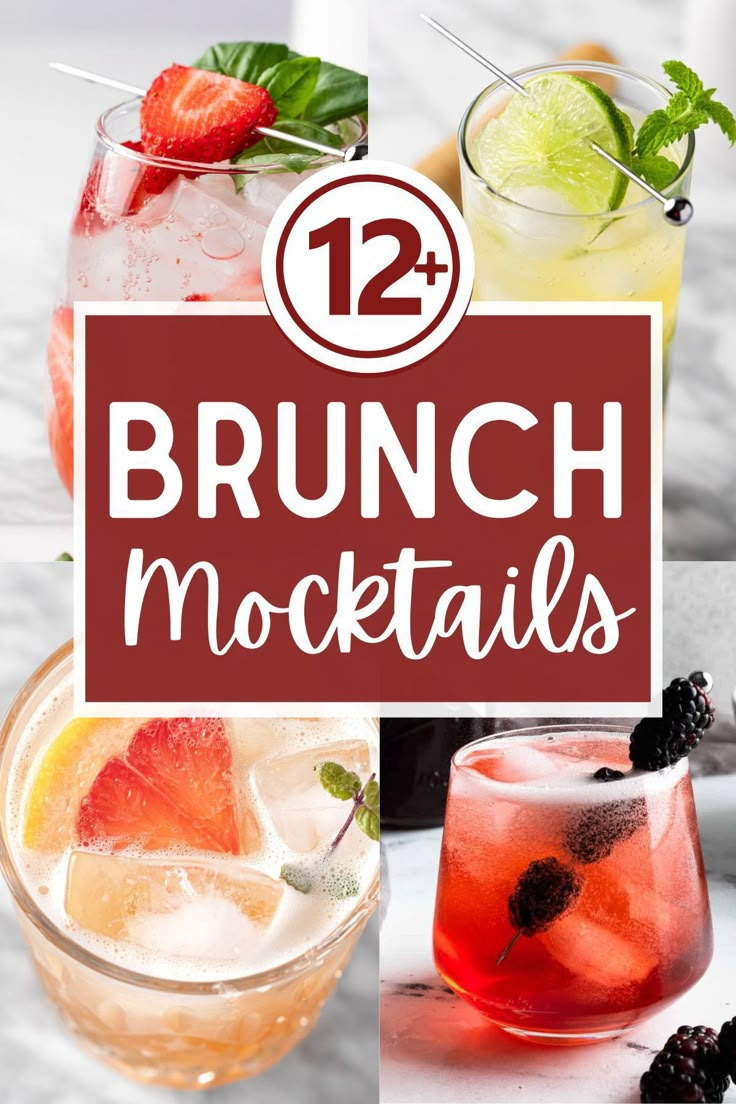
Refreshing Non Alcoholic Brunch Drinks Recipes Mocktails
Brunch, a delightful combination of breakfast and lunch, has become a beloved weekend tradition. While mimosas and Bloody Marys often accompany this meal...

Best Easy Brunch Cocktails Recipes Quick And Delicious Drinks For Weekend Mornings
Brunch, a delightful combination of breakfast and lunch, is a beloved weekend tradition. To elevate your brunch experience, consider adding a signature...

Sunday Brunch Drinks: Today's Best Cocktails & Mocktails
Kickstart your Sunday with a delightful brunch, and what better way to complement your meal than with the perfect drink? Today, we're exploring a variety of...