20+ Small Bedroom Ideas with Two Twin Beds for Maximizing Space
Designing a small bedroom with two twin beds is all about maximizing every inch while keeping the space feeling open and functional. This layout is incredibly common in shared rooms for siblings, friends, or guests, yet it often feels cramped without a clear plan. With smart layout ideas and a focus on efficient storage, you can turn a potentially chaotic arrangement into a harmonious and organized retreat. The goal is to ensure both occupants feel they have their own personal zone within a shared space.
A successful small bedroom starts with a thoughtful strategy that prioritizes traffic flow and individual comfort. You want to avoid pushing the beds into corners where they create bottlenecks or cut off access to windows. Instead, the arrangement should promote a sense of balance and breathing room, making the most of the square footage available. This foundation is key before diving into specific decor or furniture choices.
Optimizing Layout and Flow
The first step in any small bedroom redesign is analyzing the room's dimensions and identifying natural pathways. You need to map out where the door swings, where the window is located, and how someone moves from the entrance to the bed. Placing the two twin beds perpendicular to the main wall can often create a better sense of depth than lining them up against a single wall. This approach helps define separate sleeping zones without closing off the entire room.


Creating visual separation is just as important as physical space. Even in a compact area, using rugs, lighting, or different wall colors can trick the eye into seeing two distinct areas. This psychological zoning prevents the space from feeling like one long walkway with two beds stuck at the end. Keeping the color palette cohesive but varied helps unify the design while defining individual spaces.
Strategic Bed Placement
Floating the beds away from the wall slightly can make a huge difference in how spacious a room feels. This creates a subtle gap that adds depth and makes cleaning underneath much easier. If possible, position the beds so there is a clear path between them, even if it is just a narrow walkway, to maintain a sense of accessibility and order. Avoid placing one bed directly in front of a window, as this can block light and make the room feel smaller.


Consider the room's focal point when deciding where to put the beds. If there is a nice view or a bold accent wall, try to orient the sleeping areas to take advantage of it. This draws the eye away from the number of beds and toward a pleasant feature. The key is to balance functionality with aesthetics to create a space that feels intentional and designed.
Utilizing Vertical Space
When floor space is at a premium, the ceiling becomes your most valuable real estate. Installing tall, slender bookcases or floating shelves above each bed provides storage for books, decor, and nighttime essentials without taking up any valuable square footage. Opt for streamlined furniture with clean lines to keep the visual clutter to a minimum and maintain an airy atmosphere. Choosing a few statement pieces instead of many small items helps the room feel more curated and less chaotic.
Wall-mounted desks or narrow console tables are excellent space-savers that serve multiple purposes. A small desk can function as a study area for one twin bed, while a slim console behind the other can hold a mirror or a tray for daily necessities. By pulling functions up and off the floor, you free up the central space for movement and make the room feel significantly larger than it actually is.


Personalization and Style
While optimizing space is crucial, the room should still reflect the personalities of the people who use it. This can be achieved through bedding, artwork, and small accessories that allow each twin to claim their side. Using matched frames with different photos or artwork creates a cohesive look while allowing for individual expression. This balance of unity and individuality is essential in a shared environment.
Lighting plays a huge role in defining mood and functionality in a small space. Instead of relying on a single harsh overhead fixture, use layered lighting to create ambiance and utility. Bedside lamps or wall-mounted sconces provide focused light for reading without taking up desk or floor space. This approach ensures that each person can control their own lighting environment without interfering with the other.
Color and Material Choices
Light and neutral colors are generally the safest bet for maximizing the perceived size of a small bedroom. Shades like soft whites, gentle greys, and muted pastels reflect light and make walls recede visually. You can introduce warmth and texture with natural materials like wood, woven textiles, and soft knits, which add depth without darkening the space. This creates a calm and inviting backdrop for the twin beds.


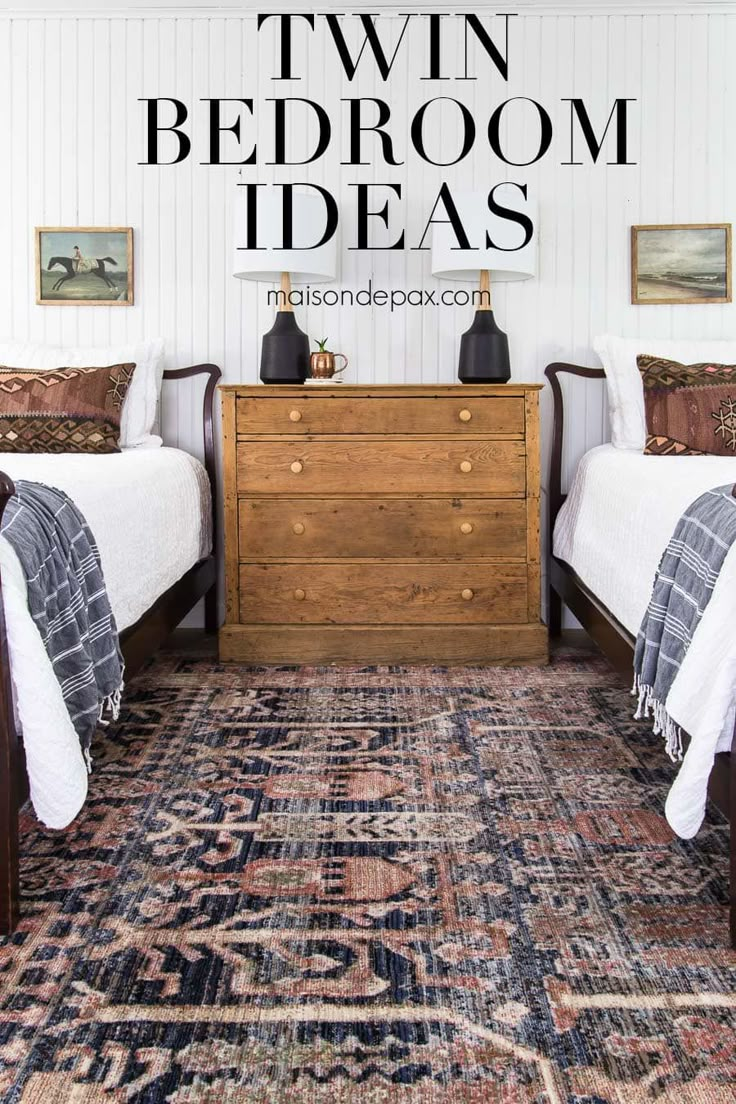


Mirrors are another powerful tool in a small bedroom, especially when placed opposite a window or light source. They amplify natural light and create the illusion of depth, making the entire room feel brighter and more open. A large mirror on the back of a door or a mirrored closet door can serve a functional purpose while contributing to the sense of openness. The strategic use of reflective surfaces can transform the room's atmosphere entirely.
Themed Coordination
For siblings or friends sharing a room, choosing a unifying theme can make the space feel more intentional and less like a random collection of furniture. Whether it is a coastal vibe, a bohemian aesthetic, or a minimalist modern feel, a theme provides a framework for decision-making. This ensures that the two twin beds, while distinct, contribute to a overall design story. It prevents the room from looking disjointed or overly cluttered with different styles.
Ultimately, the success of a small bedroom with two twin beds depends on thoughtful planning and clever design choices. Focusing on flow, storage, and personal style allows you to create a space that is both practical and beautiful. Remember to view the room as a holistic environment where every element works together to support comfort and functionality.
As you move forward with your design, keep experimenting with different layouts and ideas until the room feels right for everyone who uses it. A well-designed shared space can become a cherished and comfortable haven for years to come. Explore these options and refine them to match your unique needs and taste.
Related Articles
2 Twin Beds Guest Bedroom Ideas Decorating Small Spaces
Transforming a guest bedroom into a comfortable and inviting space can be a rewarding task, especially when you have the opportunity to get creative with your...
Small Bedroom 2 Twin Bed Ideas Maximizing Space and Style
Designing a small bedroom with two twin beds can feel challenging, but it is absolutely possible to create a space that is both functional and stylish. With...

Small Bedroom with Sofa Ideas Maximizing Space and Style
Transforming a small bedroom into a cozy and functional space can be a challenge, but with the right planning and design, you can create a perfect haven. One...
Small Bedroom Ideas For Two Twin Beds Layouts Save Space
Designing a small bedroom for two people with twin beds can feel challenging, but it is absolutely possible to create a space that feels both comfortable and...

Taupe Bedroom Ideas: Transform Your Space with These Inspiring Beds
Taupe bed bedroom ideas offer a timeless and adaptable foundation for creating a serene and stylish retreat. This versatile neutral color sits beautifully...

Small Second Bedroom Office Ideas Maximizing Space And Style
Transforming a small second bedroom into a functional and inviting home office can be a challenge, but with the right ideas and clever use of space, it's...