Small Dirty Kitchen Ideas Philippines: Cute & Space-Saving Hacks
In the bustling food scene of the Philippines, where culinary creativity often thrives in compact spaces, small dirty kitchens have become a testament to the country's resilience and resourcefulness. These compact, often humble, kitchens are not just spaces for cooking; they are the heart of many Filipino homes, brimming with warmth, flavor, and a unique charm that has captured the attention of food enthusiasts worldwide. Let's delve into the world of small dirty kitchens in the Philippines, exploring their unique characteristics, cultural significance, and how they inspire innovative cooking.
At the core of every Filipino home lies the kitchen, a space that is not merely functional but also deeply personal and reflective of the family's identity. Small dirty kitchens, often found in traditional homes and even in modern condominiums, are a celebration of simplicity and adaptability. They are 'dirty' not in a derogatory sense, but in the way they bear the marks of constant use, the remnants of countless meals prepared with love and care.
Understanding the Philippine Kitchen Culture
The Philippine kitchen culture is a vibrant blend of influences from various cultures that have shaped the archipelago's history. From the Spanish, who introduced new ingredients and cooking techniques, to the Chinese, who brought their own culinary traditions, the Philippine kitchen is a melting pot of flavors and practices. This rich heritage is reflected in the small dirty kitchens scattered across the country, each telling a story of its inhabitants' culinary journey.


In many Filipino homes, the kitchen is an open space, often connected to the living area. This design not only maximizes the limited square footage but also encourages communal living. It's not uncommon to find families gathered around the kitchen, helping with meal preparation, sharing stories, and creating lasting memories. This communal aspect is a testament to the Filipino value of 'pagkakaibigan,' or camaraderie, which fosters a sense of belonging and togetherness.
Space Optimization: Making the Most of Limited Square Footage
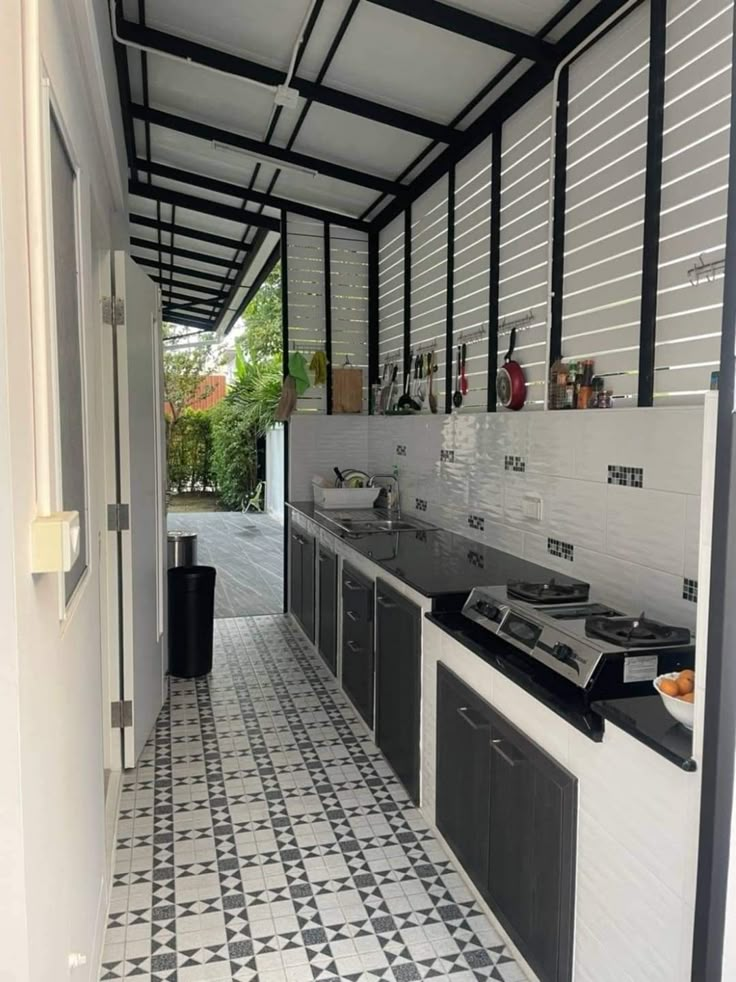
Small dirty kitchens in the Philippines are a masterclass in space optimization. Due to the country's high population density and limited housing options, many families have had to adapt and innovate to make the most of their compact kitchens. Multi-functional furniture, vertical storage solutions, and clever use of natural light are some of the strategies employed to transform these small spaces into efficient cooking hubs.


For instance, the 'almacén' or kitchen cabinet, a staple in many Filipino homes, serves multiple purposes. It stores kitchenware, ingredients, and sometimes even doubles as a dining table. This multifunctional approach to design ensures that every inch of the kitchen is utilized, maximizing its potential and minimizing clutter.
Cultural Preservation Through Cooking
Small dirty kitchens are not just about functionality; they are also a means of preserving cultural heritage. Many Filipino families pass down recipes and cooking techniques from one generation to the next in these kitchens. The aroma of adobo simmering on the stove, the rhythmic sound of rice being pounded in a mortar and pestle, and the sight of dough being kneaded for pandesal are all part of the rich tapestry of Philippine culinary culture that continues to thrive in these humble kitchens.
Moreover, these kitchens are often the birthplace of innovative recipes that blend traditional techniques with modern influences. From the humble sari-sari store to the bustling night markets, the Philippines' street food scene is a testament to the creativity that emerges from these small dirty kitchens. Here, cooks experiment with new flavors, textures, and presentation, pushing the boundaries of what constitutes 'Filipino' cuisine.


The Art of Repurposing and Upcycling
In the spirit of sustainability and resourcefulness, small dirty kitchens in the Philippines often feature repurposed and upcycled items. This not only adds to the kitchen's unique charm but also reflects the Filipino value of 'bayanihan,' or community spirit, which encourages cooperation and resource sharing.
For example, old tin cans are often repurposed as planters for herbs like basil and lemongrass, while discarded wooden crates are transformed into stylish storage solutions. Even the humble 'kaingin' or clay pot, once used for cooking rice, now serves as a decorative element in many modern Filipino kitchens. This art of repurposing not only adds a touch of rustic charm to the kitchen but also reduces waste, contributing to a more sustainable environment.
Community and Connection: The Role of Small Dirty Kitchens in Filipino Society
Small dirty kitchens are more than just spaces for cooking; they are the heart of Filipino communities. They are where neighbors gather to share stories and meals, where families celebrate milestones, and where children learn about their cultural heritage. These kitchens foster a sense of belonging and connection, weaving the fabric of Filipino society.


In many urban communities, small dirty kitchens are often connected to 'turo-turo' eateries, where home cooks sell their excess food to neighbors and passersby. This not only provides an additional income stream but also strengthens community bonds. It's a testament to the Filipino spirit of 'utang na loob' or debt of gratitude, where people help each other out, creating a supportive and resilient community.
In conclusion, small dirty kitchens in the Philippines are not just spaces for cooking; they are a reflection of the country's rich culinary heritage, its resourcefulness, and its strong sense of community. They are a testament to the Filipino spirit of adaptability and resilience, a spirit that continues to thrive in the face of adversity. So, the next time you find yourself in a small, humble kitchen in the Philippines, remember that you're not just in a space for cooking; you're in a space filled with history, culture, and the warmth of Filipino hospitality.
Related Articles
Small Outdoor Dirty Kitchen Design Ideas Philippines
Transforming your outdoor space into a functional and inviting area for cooking and dining is a dream for many homeowners in the Philippines. A small outdoor...

Simple Kitchen Ideas For Small Spaces Philippines Clever Storage Hacks
Maximizing space in a small kitchen can be a challenge, but with the right ideas and a bit of creativity, you can transform your compact cooking space into a...
Small Dirty Kitchen Design Ideas Philippines
Transforming a small, often overlooked space into a functional and inviting kitchen can be a rewarding challenge. In the Philippines, where living spaces are...

Cute Cupboard Ideas: 50+ Storage Hacks for a Clutter-Free Kitchen
Transform your kitchen or living space into a charming haven with our delightful collection of cute cupboard ideas. These whimsical and functional designs are...

Small Kitchen Ideas: Inspiring Designs for Philippine Homes
In the bustling cities and cozy suburbs of the Philippines, space is often a precious commodity, especially in the kitchen. But don't let a small kitchen deter...

Small Kitchen Ideas Restaurant Design Hacks To Maximize Space
Transforming a small kitchen space into a functional and inviting restaurant dining area can be a challenge, but with the right small kitchen ideas, it's...