Spider Craft Activities for Preschoolers: Fun & Educational Ideas
Spider craft activities for preschool provide a playful way to nurture creativity and fine motor skills. Young children are often fascinated by these eight-legged creatures, and channeling that curiosity into art time supports both learning and imagination. This introduction explores why spider projects are especially effective for early childhood development. Simple, low prep ideas make it easy to add this theme to any classroom or home schedule.
Preschool aged learners thrive when they can touch, cut, and manipulate materials, and spider craft naturally encourages those movements. Creating legs, eyes, and webs strengthens hand muscles and improves coordination. Teachers also appreciate how easily these projects connect to literacy, science, or Halloween planning. With clear steps and engaging visuals, families and educators can set up inviting spaces where little ones feel confident to explore.
Exploring Simple Spider Crafts
Starting with basic spider craft ideas helps children build confidence without feeling overwhelmed. Using familiar supplies such as paper plates, pipe cleaners, and pom poms keeps the focus on the process rather than complex instructions. These hands on experiences support language growth as children describe steps, colors, and textures. Below are two simple directions that work well in group or at home settings.


Paper Plate Spider
For a paper plate spider, invite children to paint or color the plate, then cut lines around the edge for legs. Adult support ensures the cuts stay safe while still giving preschoolers a sense of independence. Once the strips are separated, they can bend or curl each leg to add personality. Attaching googly eyes and a smile with glue completes a friendly creature that peers will recognize instantly.
Teachers can turn this activity into a counting game by asking children to glue a specific number of legs on each side. Comparing which spider has the longest or curliest legs encourages descriptive language and early math skills. Displaying the finished pieces on a string across the classroom creates a lively spider web theme that celebrates every effort.


Toilet Paper Roll Spider
A toilet paper roll spider project is another low waste option that teaches planning and patience. Children can paint or wrap the roll with construction paper, then choose from markers, stickers, or fabric scraps for decoration. Cutting small pieces of pipe cleaner for legs helps refine the pincer grasp needed for future writing tasks.
By arranging the legs in different positions, children explore concepts like balance and symmetry. Group discussions about where real spiders live can link the craft to nature lessons, making the experience both creative and informative. These multi step projects gently introduce planning and sequencing in a fun, spider themed format.
Integrating Learning with Fun
Spider craft activities preschool settings extend far beyond the art table when educators weave in language, math, and science opportunities. Storybooks about friendly spiders or insect observation time can spark questions that guide the next project. Carefully designed tasks encourage children to follow directions, collaborate, and practice turn taking. As little hands work, they also build the confidence to try new challenges without fear of getting it perfect.


Spider Webs and Fine Motor Skills
Creating spider web art helps children practice controlled lines and patterns, which strengthens the small muscles used for writing. Using a hole punched paper plate and a loop of yarn, children can weave in and out, developing hand eye coordination. Teachers might introduce new vocabulary such as spiral, web, and crawl to enrich language development during this time.
Changing materials, such as switching from thick yarn to thin string, offers varying levels of difficulty. Some children may focus on crossing each section neatly, while others enjoy the sensory aspect of different textures. These adaptable options ensure that every learner can participate at their own pace while still feeling accomplished.
Science Connection and Observation
Observing pictures or videos of real spiders can turn a simple craft into an inquiry based experience. Children can compare body shapes, leg numbers, and colors, building early classification skills. Discussing how spiders help gardens by catching insects introduces the idea of ecosystem roles in an age appropriate way.


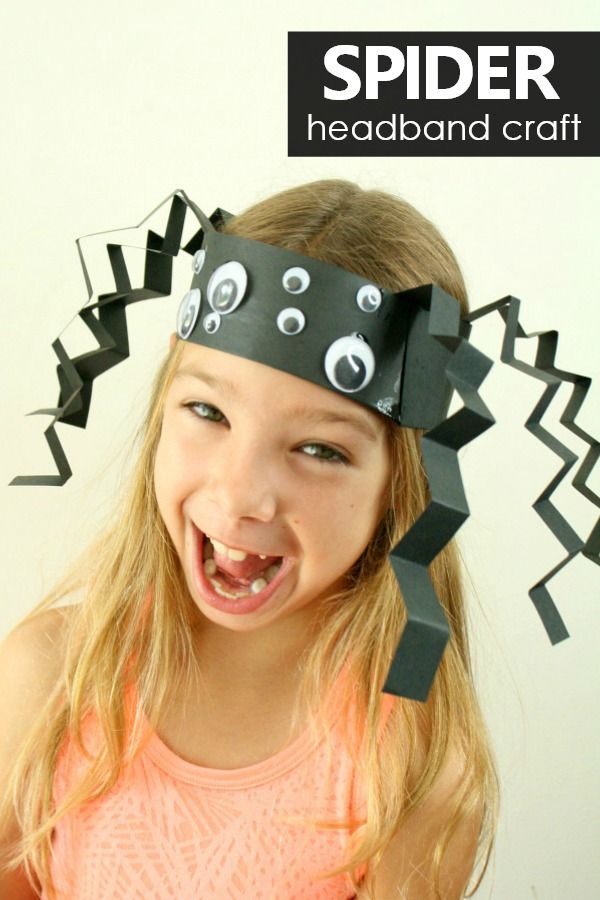


Pairing a spider habitat sensory bin with the craft allows kids to act out stories or create their own scenarios. Using beads, leaves, and toy insects, they design environments where spider figures move safely. This blend of science and art nurtures curiosity and reinforces concepts through play based exploration.
Planning and Preparation Tips
Organizing materials ahead of time makes the experience smoother for both educators and families. Gathering paper, glue, safety scissors, and embellishments in labeled containers reduces waiting time and keeps the flow of activity steady. Clear, step by step examples displayed on a wall or board help children remember what comes next.
Adjusting difficulty based on the group ensures that no one feels left out or bored. Offering choices, such as which colors to use or how many legs to add, supports decision making. With thoughtful preparation, spider craft becomes a reliable tool for engagement that fits easily into lesson plans or weekend play.
Spider craft activities preschool settings value the combination of fun, learning, and connection to seasonal themes. By choosing developmentally appropriate tasks, adults help children build skills that reach far beyond the art session. Planning the next spider project offers an opportunity to follow children’s interests and keep curiosity alive through creative exploration.
Related Articles

Preschool Recycling Activities: Fun & Educational Ideas for Little Ones
Recycling is not just an adult responsibility; it's a valuable lesson that can be taught to children as young as preschool age. Incorporating recycling...

Green Craft Ideas: Fun Preschool Activities
Green is a vibrant and calming color that's perfect for crafting with preschoolers. It's associated with nature, growth, and harmony, making it an excellent...

Easy Easter Wreath Craft for Preschoolers Fun Spring Activities
Creating an easter wreath craft for preschool is a wonderful way to celebrate spring and new beginnings with young children. This simple project invites little...

Busy Spider Craft Ideas: Activities for Kids
Exploring the very busy spider craft activities opens a window into a world of remarkable creativity and hands-on learning for children. This collection of...

Preschool Christmas Craft Gift Parents Easy Fun Educational Activities
Finding the perfect preschool christmas craft gift for parents turns the holiday season into a meaningful keepsake experience. This heartfelt idea captures a...

Grandparents Day Art And Craft Ideas For Preschoolers Fun Easy Activities
Grandparents Day is a special occasion to celebrate the love and wisdom of our elders. For preschoolers, it's an opportunity to create heartwarming art and...