Standard School Locker Dimensions: The Complete Guide
In the bustling corridors of schools worldwide, one constant remains: the humble locker. These storage units are not just simple metal boxes; they're extensions of students' personalities, filled with books, sports gear, and treasured mementos. But have you ever wondered about the standard dimensions of these iconic school fixtures? Let's delve into the world of standard school locker dimensions, their importance, and the variations you might encounter.
School lockers play a pivotal role in maintaining order and hygiene in educational institutions. They help keep classrooms clutter-free, promote responsibility among students, and provide a secure space for personal belongings. Understanding the standard dimensions of school lockers can assist in planning and purchasing, ensuring a perfect fit for your institution's needs.
Standard School Locker Dimensions
When discussing standard school locker dimensions, it's essential to consider two primary types: single-tier and multi-tier lockers. Each serves different purposes and caters to various age groups and storage needs.


Single-tier lockers, typically found in elementary schools, are designed with younger students in mind. They are shorter and narrower, accommodating smaller backpacks and fewer items.
Single-Tier Locker Dimensions
Standard single-tier lockers usually measure 12 inches in width, 18 inches in depth, and 36 inches in height. This size is ideal for younger students, providing ample space for their belongings without being too large or heavy for them to manage.


However, some schools may opt for slightly larger single-tier lockers, with dimensions of 15 inches in width, 18 inches in depth, and 48 inches in height. These offer more storage space but are still manageable for younger students.
Multi-Tier Locker Dimensions
Multi-tier lockers, on the other hand, are more common in middle and high schools. They offer multiple compartments, allowing for shared use among students and maximizing storage space.
Standard multi-tier lockers typically measure 12 inches in width, 18 inches in depth, and 72 inches in height. This size provides enough space for taller students and allows for the accommodation of larger items, such as sports equipment or musical instruments.


Some schools may also use multi-tier lockers with larger dimensions, such as 15 inches in width, 18 inches in depth, and 72 inches in height. These offer even more storage space but may be less suitable for younger students due to their size.
Importance of Standard Dimensions
Adhering to standard school locker dimensions is crucial for several reasons. Firstly, it ensures that lockers can be safely and securely installed in the available space, without compromising the structural integrity of the building.
Secondly, standard dimensions make it easier to purchase replacement lockers or additional units in the future. Non-standard sizes can lead to compatibility issues and increased costs. Moreover, standard dimensions facilitate the efficient use of space, allowing schools to maximize their storage capacity.


Factors Affecting Locker Dimensions
While standard dimensions provide a useful guideline, several factors can influence the size of school lockers. These include:
- Age and size of students: Younger students require smaller lockers, while older students need larger ones to accommodate their belongings.
- Available space: Schools with limited space may need to opt for smaller or narrower lockers to maximize storage capacity.
- Budget: Larger lockers tend to be more expensive. Schools may need to balance their budget with their storage needs when choosing locker dimensions.
- Special needs: Schools catering to students with special needs may require lockers with specific dimensions or features to accommodate their requirements.
In the ever-evolving landscape of education, school lockers remain a constant, providing a vital service to students and institutions alike. Understanding the standard dimensions of school lockers is essential for ensuring a safe, efficient, and clutter-free learning environment. By considering the needs of their students and the available space, schools can make informed decisions when selecting lockers, creating a harmonious blend of form and function that serves the entire student body.
Related Articles
Standard School Locker Size in Inches: The Complete Guide
Determining the standard school locker size in inches is essential for planning efficient storage solutions in educational environments. These compartments are...

Bedroom Furniture Standard Dimensions: The Complete Guide
When it comes to furnishing your bedroom, understanding standard furniture dimensions is crucial for ensuring a comfortable, functional, and aesthetically...
Standard Locker Dimensions: The Ultimate Size Guide for 2024
Understanding standard locker dimensions is essential whether you are outfitting a new gym, renovating a school, or planning a renovation for your community...

Ikea Micke Desk White Dimensions Complete Guide To Size And Style
The IKEA MICKE desk, a popular choice for modern home offices and study spaces, comes in a sleek white finish that adds a touch of sophistication to any room...

How to Grow a School Garden: A Complete Guide for Parents and Teachers
Transforming a patch of school ground into a thriving garden can be an incredibly rewarding experience. Not only does it provide an opportunity for students to...
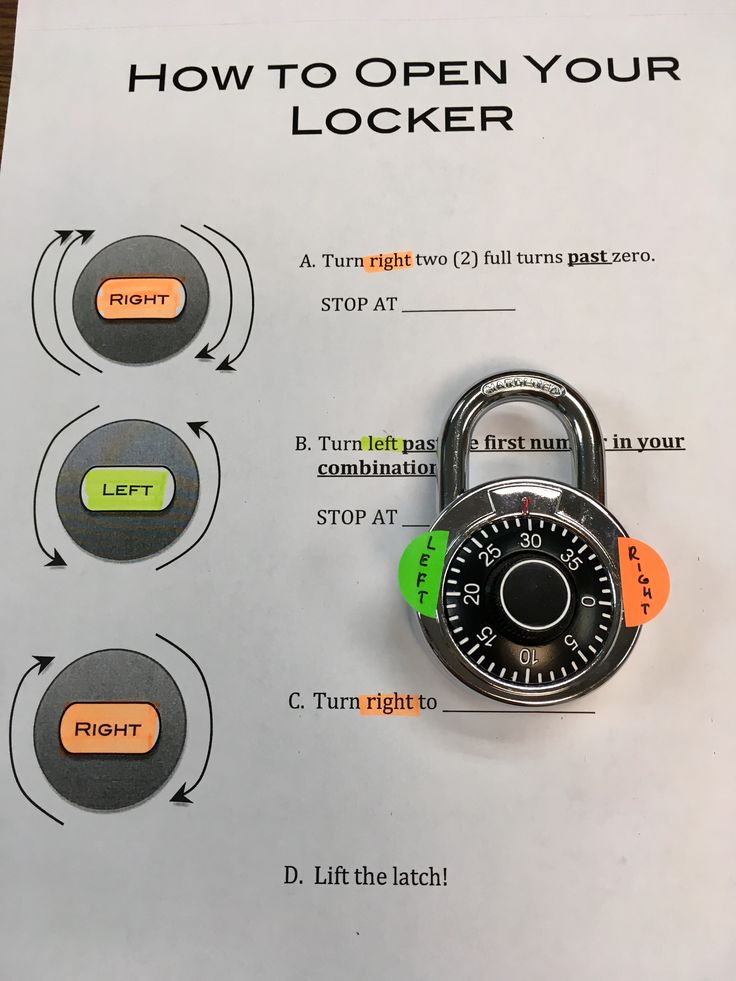
School Locker Lock Instructions: Step-by-Step Guide
Learning how to use a school locker lock correctly can save you time and stress during a busy day. These sturdy metal storage units line the hallways of most...