Mastering Impromptu Speaking: Toastmasters Table Topics Questions
Toastmasters table topics questions form the energetic heartbeat of any club meeting, pushing members beyond prepared scripts into spontaneous expression. These short, improvised responses build mental agility and real world communication skills under gentle pressure. When you walk into a meeting, you accept the possibility of being called on the spot with a random prompt. Embracing this structure helps speakers grow more adaptable, confident, and present in their everyday interactions.
Many newcomers wonder what to expect from table topics, especially if they fear public speaking or sudden judgment. The questions are intentionally playful, abstract, or practical, so there is no single correct answer. Hosts design prompts to invite personal stories, light humor, or quick analysis, making each round feel like a micro conversation. Because the topics change every meeting, participants develop a broader comfort with uncertainty and learn to organize thoughts quickly.
Understanding Common Table Topics Question Styles
Recognizing recurring patterns in table topics questions can demystify the experience and help you respond with clarity. Some prompts ask for definitions, others request advice, storytelling, or opinion, and each style guides your thinking process. By practicing across these categories, you build a flexible mental toolkit that serves you far beyond the club room.


Seasoned members often keep a private list of toastmasters table topics questions to study, ranging from simple hypotheticals to challenging philosophical scenarios. Exposure to varied formats sharpens your ability to listen carefully, structure a brief message, and maintain composure. Over time, you start to see the underlying logic in the randomness and use each question as a chance to refine your communication muscles.
Personal Reflection and Storytelling
Questions in this category invite you to share a moment from your life that illustrates a specific value, lesson, or turning point. They often begin with phrases like "Tell us about a time when..." or "Describe an experience that changed your view on..." These prompts help you practice connecting emotion to message, which deepens audience engagement.


For example, you might be asked to recount a time you failed publicly and what you learned from it. Such stories reveal resilience, humility, and growth, allowing listeners to see you as a real person rather than just a speaker. When you practice concise storytelling, you learn to highlight key details, avoid rambling, and end with a clear takeaway.
Hypothetical and Abstract Scenarios
Abstract questions present whimsical or extreme situations that test your creativity and quick thinking. Examples include "If you could have dinner with any historical figure, living or dead, who would it be and why?" or "You wake up as a tree, what happens next?" These prompts encourage imaginative responses while still requiring logical structure.
By entertaining these playful scenarios, you stretch your ability to generate ideas on demand. You practice building a coherent narrative from limited information, a skill that proves invaluable in meetings, interviews, and everyday conversations. The more you play with such questions, the more naturally you can pivot between serious and light tones.


Effective Strategies for Answering Table Topics
Delivering a strong table topics response begins before you even speak, as you listen carefully to the question and clarify it mentally. Taking a breath, organizing a simple structure, and maintaining eye contact can transform a shaky reply into a memorable mini speech. Practicing these habits reduces anxiety and helps you sound confident even when you feel uncertain.
Regular participation in table topics sessions trains you to think in frameworks such as past experience, present observation, and future implication. Over time, you develop an internal library of examples, quotes, and anecdotes that you can access quickly. This preparation turns spontaneity into a refined skill rather than a nerve wracking gamble.
Structuring Your Response Clearly
Even with limited time, you can use basic speech structure: a brief introduction, a body with one or two supporting points, and a concise conclusion. Opening with a relevant hook, such as a surprising fact or a short story, captures attention immediately. Keeping your message focused ensures the audience understands your point before the timer ends.


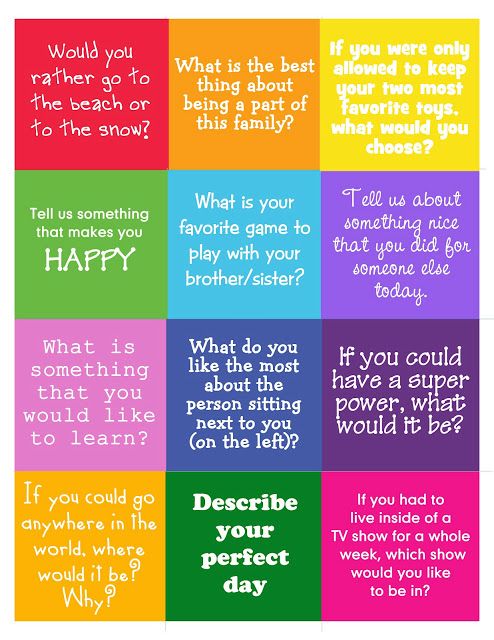


For instance, if asked about teamwork, you might share a short story, highlight one key lesson, and end with a takeaway about trust. Practicing this structure in low stakes environments helps you adapt it to more complex topics. The goal is not perfection but clarity, momentum, and a sense of authentic voice.
Building Versatility Through Variety
Rotating through different question types each meeting prevents rigidity and encourages adaptability. You might one week tackle humorous hypotheticals and the following week engage with serious ethical dilemmas. This variety mirrors real world situations where you face unpredictable conversational turns.
Over months, you notice shifts in your mindset, moving from fear of the unknown to curiosity about how you can frame any prompt thoughtfully. You become more comfortable pausing to think, organizing ideas aloud, and adjusting your tone to match the room. These subtle changes strengthen your overall communication presence in professional and personal settings.
The Role of Feedback and Continuous Improvement
Constructive feedback from evaluators and fellow members helps you refine your table topics skills by highlighting strengths and gentle areas for growth. Listen for patterns in the advice you receive, such as pacing, use of language, or clarity of message. Treat each meeting as an experiment where you test small adjustments rather than trying to overhaul everything at once.
Many members keep simple notes on recurring feedback, reviewing them before the next meeting to reinforce positive habits. Observing others deliver table topics also provides low pressure learning opportunities, as you can analyze structure, gestures, and vocal variety. This ongoing cycle of practice, feedback, and reflection steadily builds your communication confidence.
Leveraging Online and Offline Resources
Beyond in person meetings, you can explore online forums, sample questions, and video recordings to expand your exposure to diverse prompts. Some clubs publish archived table topics questions, allowing you to practice at home and refine your approach. Combining these resources with real time practice ensures you are ready for both expected and unexpected questions.
Using timers at home, you can simulate the pressure of a tight table topics round, training yourself to stay concise and focused. Pairing solo practice with friendly peer feedback helps you maintain enthusiasm and avoid falling into rigid patterns. The more varied your practice, the more naturally you can adapt your style to different audiences.
Connecting Authenticity with Structure
While structure is helpful, the most compelling table topics responses feel human and conversational rather than overly polished. Sharing genuine reactions, light humor, or brief vulnerabilities makes your answer relatable and memorable. Balancing preparation with spontaneity allows your personality to shine through while still delivering a clear message.
As you continue attending meetings, you may find that table topics becomes a favorite part of the experience, revealing hidden strengths and surprising insights about yourself. Each question, no matter how strange it seems at first, offers a chance to practice thinking on your feet and sharing your perspective. Embracing this journey transforms public speaking from a source of fear into a tool for everyday confidence.
Exploring new toastmasters table topics questions at each meeting keeps your skills sharp and your mindset curious, encouraging growth in unexpected directions. With consistent participation, thoughtful reflection, and openness to feedback, you gradually turn quick thinking into a lasting strength. Allow each round to remind you that your voice matters, and that every prompt is an invitation to connect, learn, and evolve in your communication journey.
Related Articles
Toastmasters Table Topics List: Master Impromptu Speaking
Mastering spontaneous communication is a skill that transforms ordinary interactions into meaningful moments, and the toastmasters table topics list serves as...
Funny Table Topics Questions for Toastmasters: Free PDF
Finding the perfect funny table topics questions toastmasters pdf free resource can transform an ordinary meeting into a memorable event filled with laughter...
Best Table Topics Questions for Toastmasters: Funny Icebreaker Ideas
Table topics sessions at Toastmasters are where unforgettable conversations and instant laughter begin, and having the right best table topics questions...

Easy Table Topics for Toastmasters Fun Impromptu Prompts
Stepping up to the lectern for your first time can feel intimidating, and one of the most common nerves comes from the table topics section. This is where...
Fun Table Topics Questions for Toastmasters: Engaging Prompts for Memorable Meetings
Table topics questions are the hidden engine that can transform a good Toastmasters meeting into a memorable conversational adventure for everyone in the room...
Funny Table Topics Questions for Toastmasters
Table topics questions are the lively heartbeat of any Toastmasters meeting, transforming awkward silence into vibrant conversation. When you search for a...