15 Best Types of Poster Board for Your Next Project
Understanding the different types of poster board is essential for achieving professional results in your next project, whether you are a student, a hobbyist, or a marketing professional. Poster board serves as the foundation for a wide array of creative and communication endeavors, from vibrant science fair displays to sophisticated trade show graphics. Choosing the right material ensures your work looks its best, withstands handling, and effectively communicates your message to the intended audience. This guide provides a detailed overview to help you navigate the available options with confidence.
While the term poster board may seem straightforward, the reality is that several distinct categories exist, each engineered for specific applications and performance characteristics. These variations affect everything from thickness and surface texture to durability and resistance to environmental factors. The primary division generally lies between traditional paper-based boards and modern synthetic alternatives, with each offering unique benefits. By exploring these categories in depth, you can move beyond guesswork and make informed decisions that align with your project goals.
Traditional Paper-Based Poster Boards
The most familiar types of poster board are the traditional paper-based varieties, commonly found in offices, classrooms, and art supply stores. These options are generally cost-effective, easy to cut, and readily available in a vast spectrum of colors. They are the go-to choice for temporary displays, classroom projects, and short-term informational signs where budget is a primary concern.


Standard Poster Board
Standard poster board provides a reliable, no-frills option for everyday use. Typically constructed from thick card stock, it offers enough rigidity to stand upright on a table or easel without bending excessively. This material is ideal for school assignments, community event announcements, and simple wayfinding signs that do not require prolonged exposure to the elements.
Presentation Board
Presentation board is specifically designed to create a polished, professional appearance for academic and business settings. It usually features a smoother surface than standard variants, which allows for cleaner printing and sharper visuals when used with inkjet or laser printers. This smooth surface also makes it easier to apply stickers, photographs, and other embellishments without the texture interfering with adhesion.


Synthetic and Specialty Materials
For projects that demand enhanced durability, synthetic poster board materials have become increasingly popular. These types of poster board resist moisture, tearing, and fading, making them suitable for both indoor and outdoor applications. While the initial cost may be higher than paper options, the longevity and reusability of these materials often provide superior value over time.
Foam Core Board
Foam core board consists of a layer of polystyrene foam sandwiched between two sheets of sturdy paper or vinyl. This construction gives it exceptional rigidity while remaining surprisingly lightweight. It is a favorite among professional exhibitors and artists who need a stable surface for mounting photographs, prints, or creating clean, frameless presentations that require a slight elevation off the wall.
Corrugated Plastic (Coroplast)
Corrugated plastic, often recognized by the brand name Coroplast, represents a robust category of types of poster board used for durable signage. Its hollow interior structure resembles cardboard but offers superior resistance to rain, wind, and bending. This material is frequently used for lawn signs, real estate for sale signs, and campaign advertisements that must endure weather fluctuations without warping or disintegrating.


Vinyl and Hardboard
Vinyl-coated poster board combines the flexibility of paper with a protective synthetic layer, offering water resistance and a wipe-clean surface. Hardboard, on the other hand, provides an ultra-dense, smooth surface that is nearly impervious to warping. These materials are ideal for high-end retail displays, museum exhibits, and any application where a premium, finished look is non-negotiable.
Considerations for Selection
Selecting the right type of poster board involves evaluating the environment where the display will live and the duration of the exhibit. A temporary classroom presentation will have vastly different requirements compared to a large outdoor event. Understanding the weight, thickness, and surface finish helps ensure the final product looks professional and accomplishes its intended purpose without premature deterioration.
Furthermore, the printing method you intend to use plays a critical role in your choice. If you are creating the design at home on an inkjet printer, you must verify that the board is compatible with wet inks and does not cause bleeding. For large-scale digital printing services, smoother surfaces like those found on presentation board or hardboard are usually recommended to capture fine details and vibrant colors accurately.
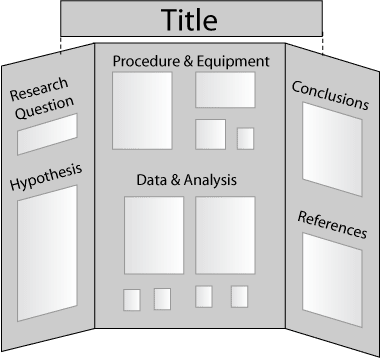


Ultimately, the array of available types of poster board empowers creators to match their medium to their message. By balancing aesthetics, durability, and budget, you can choose a material that not only holds your content but also elevates its impact, ensuring your information is received clearly and memorably.
As you plan your next visual communication project, take a moment to assess the specific demands of your display environment and audience. Selecting the appropriate foundation material is a crucial step in transforming your ideas into a compelling and effective visual statement that resonates long after it is viewed.
Related Articles

Best Selling Appetizer Ideas to Elevate Your Next Party or Event
Choosing the best selling appetizer can transform an ordinary gathering into a memorable experience, whether you are hosting a casual dinner or managing a busy...

Meat & Cheese Charcuterie Board Ideas for Your Next Party
Elevate your party spread with a stunning meat and cheese charcuterie board, a delightful blend of flavors, textures, and presentation that's sure to impress...

Best Wedding Table Flowers: Top Types for Your Special Day
Choosing the right types of flowers for wedding tables is one of the most impactful decisions you can make to define the ambiance of your celebration. These...

Stunning Stair Trim Examples for Your Next Project
Stair trims, often overlooked, play a significant role in enhancing the aesthetics and safety of your staircase. They not only add a touch of elegance but also...

Mini Cheese Board Inspo 31 Delicious Ideas For Your Next Gathering
Imagine hosting a sophisticated soiree or simply enjoying an intimate evening in, and you're craving a touch of elegance on your cheese board. Mini cheese...

Hand Embroidery Ideas: 50+ Creative Designs to Inspire Your Next Project
Hand embroidery ideas open a world of creative expression that blends tradition with modern style, allowing you to personalize everyday items with your own...