Delicious Vegan Ice Cream Dessert Recipes Easy Summer Treats
Exploring vegan ice cream dessert recipes opens up a world of creamy, compassionate treats that satisfy without relying on dairy. These plant-based creations prove that indulgence and mindful eating can coexist beautifully on the same spoon. With the right base ingredients and a little creativity, you can craft luxurious textures and vibrant flavors that appeal to vegans and non-vegans alike. This guide walks you through practical techniques, flavor pairings, and troubleshooting tips to elevate your homemade dairy-free desserts.
Unlike traditional ice cream, vegan versions often highlight the natural sweetness and character of fruit, nuts, and alternative milks. You will discover how simple it is to customize sweetness levels, adjust thickness, and accommodate allergies while keeping the dessert restaurant worthy. Each batch becomes an opportunity to experiment with high-quality extracts, spices, and natural colorants derived from fruits and roots. The result is a dessert that feels both innovative and comforting every time you take a bite.
Choosing Your Base Ingredients
The foundation of outstanding vegan ice cream starts with selecting the right base, which largely determines mouthfeel and how well flavors carry through. Cashew cream, made by blending soaked cashews with water, creates a silky, neutral canvas that absorbs other ingredients exceptionally well. Banana puree offers natural sweetness and a dense, creamy consistency, particularly when frozen and carefully blended to avoid icy spots. These plant based mixtures provide plenty of room for customization while keeping the dessert entirely plant friendly.
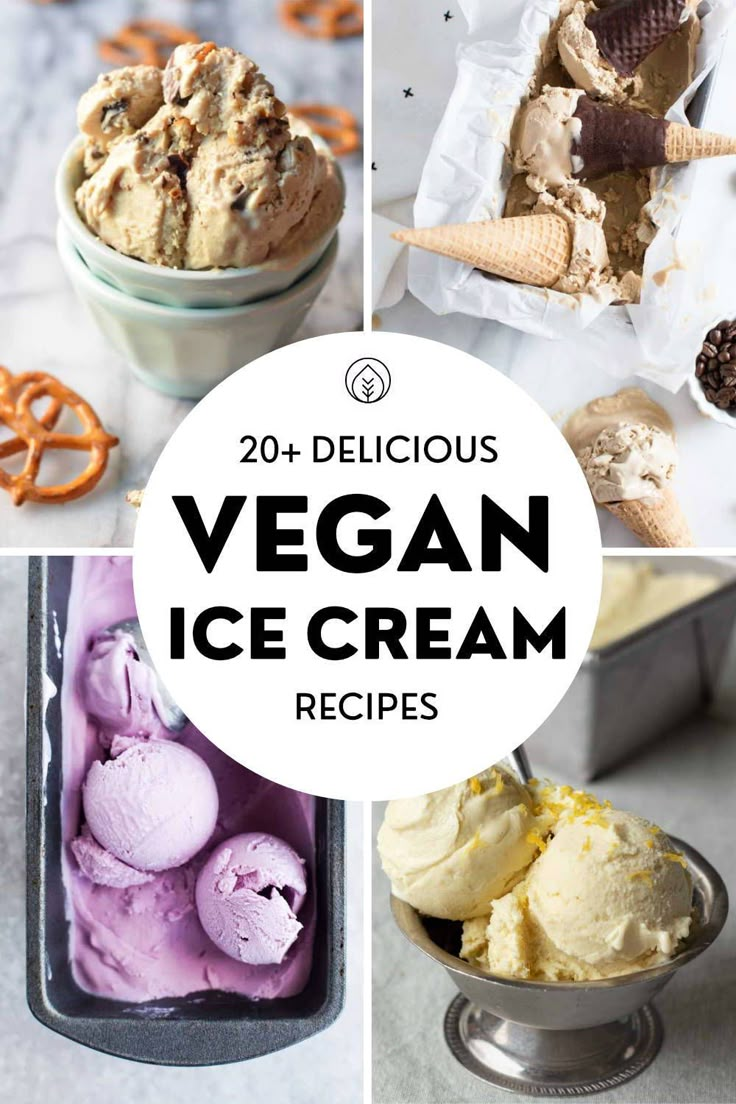


Coconut milk contributes a pleasant richness and slight tropical note that pairs beautifully with flavors like lime, ginger, or dark chocolate. For a lighter option, you can rely on oat milk or almond milk, though achieving ultra smooth results may require thickeners such as cornstarch, arrowroot, or agar agar. Stabilizers like a spoon of nut butter or a small amount of refined coconut oil help improve texture and slow the formation of ice crystals. Balancing these components ensures that every scoop remains creamy, scoopable, and satisfying even straight from the freezer.
Cashew Heavy Cream Substitute
Soaking raw cashews for several hours softens them enough to blend into a velvety cream that mimics heavy dairy cream in both appearance and texture. Adding a touch of maple syrup or vanilla during blending gives you a versatile base that works for both sweet and slightly savory applications. Because the flavor is mild, you can easily fold in fruit purees, cocoa powder, or spices without overwhelming the mixture. This method is ideal for those who want a rich but still light dessert that feels almost guilt free.


For best results, always drain and rinse the soaked cashews, then blend with fresh water until completely smooth. High speed blenders make the process effortless, though you may need to stop and scrape down the sides occasionally. When used in vegan ice cream recipes, this cashew base creates a luxurious scoop that holds its shape on the cone or in a bowl. You will find it especially useful when you want a dessert that rivals traditional options in creaminess without any animal derived ingredients.
Banairy Magic with Frozen Bananas
Frozen banana slices serve as the simplest, most affordable base for quick vegan ice cream recipes that resemble soft serve in consistency. By freezing ripe bananas before blending, you introduce natural sugars that eliminate the need for additional sweeteners in many cases. A splash of plant milk and a few seconds in the blender are often enough to transform frozen chunks into a creamy, spoonable treat. This method works especially well for solo servings or when you want to whip up dessert in under ten minutes.
Enhance banana based recipes with cocoa nibs, peanut butter swirls, or mixed berry compote folded in after blending. The subtle banana flavor acts as a backdrop that lets other ingredients shine, while still providing body and natural sweetness. Because the ingredient list is short, any variations you try remain clean and easy to recreate. This approach is perfect for hot summer days or anytime you crave something sweet without heating up the kitchen.


Building Layers of Flavor
After settling on a base, you can start layering flavors using extracts, zests, and complementary ingredients that bring complexity to every bite. Vanilla bean paste, real vanilla extract, and a pinch of sea salt can elevate a simple coconut milk mixture into something reminiscent of premium gelato. Citrus zest from lime or orange adds brightness, while warming spices like cinnamon and cardamom create a cozy, spiced profile suitable for autumn desserts. Thoughtful seasoning ensures that even dairy free ice cream feels refined and intentional.
Incorporating pureed fruits, such as mango, raspberry, or passion fruit, introduces natural acidity and vivid color that photographs beautifully. You can swirl in fruit sauces or mix them into the base for a marbled effect that hints at multiple flavors in a single scoop. Chopped nuts, brittle, or gluten free cookie crumbles contribute texture contrast, turning a simple dessert into a more indulgent experience. These small touches make vegan ice cream desserts feel just as special as any non vegan counterpart.
Herbal and Floral Accents
Infusing cream alternatives with herbs like basil or mint opens unexpected flavor pathways that work beautifully in fruit centric recipes. A light mint infusion, strained before blending with coconut milk, creates a refreshing treat that feels both grown up and playful. Similarly, edible flowers or a drop of high quality vanilla bean paste can transform an ordinary batch into something visually striking. Such accents are particularly effective when you want the dessert to complement a themed dinner or garden party.


Balancing these delicate flavors requires restraint, since too much herbal or floral notes can overwhelm the palate. Start with small batches, tasting as you adjust, and remember that you can always add more infusion gradually. Combining a mild herbal backdrop with bright fruit purees allows multiple taste dimensions to unfold as you eat. These combinations highlight how versatile vegan ice cream can be beyond basic sweetness.
Spice and Warmth Experiments
Warm spices such as nutmeg, ginger, and cardamom bring depth to vegan ice cream, especially when paired with darker chocolate or roasted fruit bases. A tiny pinch of freshly grated nutmeg enhances creamy coconut milk, while ground ginger adds a gentle kick that cuts through richness. For a dessert with seasonal character, consider mulling your base with cinnamon sticks and cloves before chilling and churning. The resulting flavors evoke classic holiday treats while remaining entirely plant based.
Spiced versions pair exceptionally well with crunchy toppings like toasted seeds or nut brittle, adding pleasant resistance to each creamy bite. You can also experiment with smoked salt or a dash of chili to create a more adventurous profile, reminiscent of Mexican chocolate. Layering spices thoughtfully ensures that the warmth supports the dessert rather than masking the main fruit or chocolate notes. Once you master these combinations, you will have a signature vegan ice cream style of your own.
Texture and Churning Techniques
Texture is one of the most important factors in making vegan ice cream that feels luxurious rather than icy. A smooth, creamy result depends heavily on the ratio of fat to water in your chosen base and how well you minimize large ice crystals. Churning in a proper ice cream maker helps incorporate air while freezing, giving you a soft serve consistency that is easy to scoop. If you do not have a machine, periodic stirring during freezing can also break up ice crystals and maintain a pleasant bite.
Adding a modest amount of fat, such as from coconut cream or a spoon of nut butter, improves mouthfeel and helps the dessert stay creamy even at lower temperatures. Stabilizers like tapioca starch or a spoonful of vegan chocolate syrup can further inhibit ice formation while enhancing flavor binding. Keeping the mixture well chilled before churning or freezing allows the process to work more efficiently, reducing the time your dessert spends in the freezer. These small adjustments make the difference between a dessert that cracks and one that bends.
No Churn Alternative Methods
For a low effort approach, you can skip the churning entirely by relying on blended frozen fruit and a fat source to create a dense yet creamy texture. Whipping aquafaba, the liquid from canned chickpeas, introduces air and lightness without any animal products, mimicking a softly churned consistency. Folding this stabilized foam into a sweetened fruit base yields a dessert that feels airy and indulgent despite having no machine. This technique works especially well for smaller batches and quick entertaining.
Layering no churn mixtures in glasses with fruit compote or cookie crumbs creates visually appealing desserts that are just as tasty as they are convenient. You can also pipe the mixture into molds for elegant individual servings that hold their shape at room temperature for a short time. These approaches prove that vegan ice cream does not need complicated equipment to impress. With a little planning, even last minute cravings can be met with a polished, homemade result.
Serving, Storage, and Enjoyment
Serving vegan ice cream at the right temperature enhances its natural sweetness and smooth texture, so avoid letting it sit too long at room temperature. If the dessert becomes too firm, letting it sit in the fridge for five to ten minutes or briefly dipping the container in warm water makes scooping effortless. Keep your creations in airtight containers to prevent freezer burn and preserve delicate flavors, especially those featuring subtle herbs or spices. Labeling with the date ensures you enjoy each batch at peak quality without unnecessary guesswork.
Experimenting with toppings such as hot fudge, toasted coconut flakes, or fresh fruit compote lets you tailor each serving to the occasion. A drizzle of nut butter or a sprinkle of sea salt can add contrast and sophistication without complicating the recipe. Because vegan ice cream often relies on natural flavors, maintaining high quality ingredients from base to finish makes a clear difference. Paying attention to these details ensures that every dessert you create feels thoughtful and memorable.
Trying out these vegan ice cream dessert recipes allows you to build confidence in dairy free cooking while discovering new favorite flavor combinations. As you refine your techniques, you may find yourself reaching for the blender and freezer more often, knowing that delicious results are always within reach. Each new batch offers a chance to fine-tune sweetness, texture, and presentation to match your exact preferences. The next time a craving for creamy sweetness appears, you will be ready to create a dessert that aligns with your values and delights your senses.
Related Articles

Delicious Vegan Mango Dessert Recipes: Sweet & Easy Treats
Discover how easy it is to create vibrant vegan mango dessert recipes that feel indulgent while staying completely plant based. Sweet, juicy mango brings a...

Easy Vegan Birthday Treats Delicious Dairy Free Dessert Recipes
Celebrating a birthday while maintaining a vegan lifestyle doesn't mean you have to compromise on taste or fun. In fact, there are countless easy and delicious...

Vegan Thanksgiving Dessert Recipes Delicious And Easy Holiday Treats
As the leaves turn and the air grows crisp, thoughts turn to Thanksgiving, a time for gathering, sharing, and indulging in delicious food. But what if you're...

Easy Vegan Mango Dessert Recipes: 10 Simple & Delicious Treats
Discover how easy vegan mango dessert recipes can turn a simple tropical fruit into a luscious sweet ending that feels both special and completely light. With...

Delicious Vegan Indian Dessert Recipes Easy Plant Based Treats
Indulge in the vibrant flavors of India while keeping your diet plant-based with these delightful vegan Indian dessert recipes. From creamy kheer to crumbly...

Delicious Best Vegan Dessert Recipes UK Easy Treats
Indulge in the sweet life without compromising your values! The UK's vegan dessert scene is booming, with an array of mouth-watering, plant-based treats that...