Victorian Hallway Tree: A Timeless Centerpiece
The Victorian era, known for its elegance and grandeur, left an indelible mark on architecture, including the iconic Victorian hallway tree. This striking design element, a towering tree-like structure, was a staple in the entrance halls of Victorian homes. Let's delve into the history, design, and significance of this remarkable feature.
The Victorian period, spanning the reign of Queen Victoria from 1837 to 1901, was a time of great change and prosperity. The Industrial Revolution brought wealth and prosperity, leading to the construction of grand homes that reflected the opulence of the era. The Victorian hallway tree was a testament to this affluence and a symbol of the homeowner's status.
The Design and Aesthetics of the Victorian Hallway Tree
The Victorian hallway tree was characterized by its grandeur and verticality, often stretching from the ground floor to the roof, creating a dramatic first impression. It was typically supported by cast-iron or wooden columns, with the staircase wrapping around it.


Designs varied, but common features included intricate balustrades, newel posts, and banisters. The tree might also incorporate decorative elements like stained glass windows, skylights, or a dome at the top, allowing natural light to flood the space.
Materials and Construction
The materials used in constructing a Victorian hallway tree reflected the homeowner's wealth. Cast iron was popular due to its strength and durability, allowing for intricate designs. Wood, often oak or mahogany, was also used, showcasing the craftsmanship of the era.


Construction involved skilled craftsmen, including carpenters, ironworkers, and glaziers. The process required precision and attention to detail, ensuring the structure was both aesthetically pleasing and functional.
Influences and Variations
The design of the Victorian hallway tree was influenced by various architectural styles of the period, including Gothic, Renaissance, and Classical revival. Some trees featured open-well staircases, while others had closed-string designs.
Regional variations also existed. In America, for instance, the tree might incorporate elements of the Federal or Greek Revival styles. In Australia, the tree often reflected the local climate and materials, with open designs to encourage airflow.


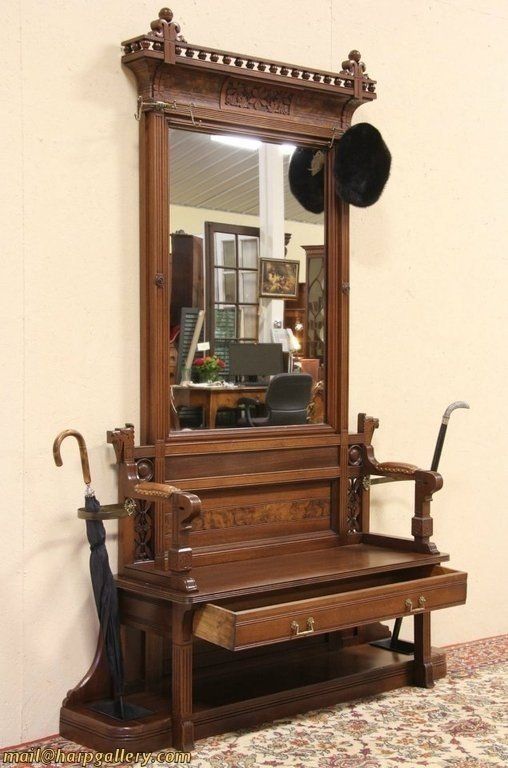


The Significance of the Victorian Hallway Tree
The Victorian hallway tree was more than just a design feature; it held significant cultural and symbolic meaning. It was a statement of the homeowner's social status and wealth, reflecting the Victorian values of ambition, success, and respectability.
It also served a practical purpose, providing a grand entrance that allowed light to flood into the home. The tree created a sense of space and openness, making the home feel larger and more welcoming.
Preservation and Restoration
Today, many Victorian hallway trees remain, preserved in historic homes and museums. Restoration efforts aim to maintain the original design and craftsmanship, using traditional techniques and materials.


However, restoration can be challenging due to the age and complexity of the structures. It requires skilled craftsmen and a deep understanding of Victorian architecture and design.
In conclusion, the Victorian hallway tree was a remarkable feat of craftsmanship and design, reflecting the opulence and ambition of the era. Its legacy continues today, inspiring modern architects and homeowners alike. If you find yourself in a home with a Victorian hallway tree, take a moment to appreciate the history and craftsmanship behind this iconic feature.
Related Articles

Stunning Victorian House Hallway Ideas for Timeless Elegance
Step into the grandeur of the Victorian era with our captivating hallway ideas that blend historical charm with modern functionality. A well-designed hallway...

Stunning Victorian House Ideas For Timeless Elegance And Modern Charm
Embarking on a journey to restore or renovate a Victorian house is an exciting venture that combines history, architecture, and personal style. These iconic...

Stunning Hallway Tree Decor Ideas for a Magical Home Oasis
Transforming a once-bare hallway into a vibrant, welcoming space is easier than you think, and one unique way to achieve this is by incorporating a hallway...

Dollar Tree Baby Shower Centerpiece Ideas Budget Friendly Decorations
Hosting a baby shower on a budget? Look no further than Dollar Tree for inspiration! With a little creativity, you can create stunning centerpieces that are...

Victorian House Kitchen Inspiration 25 Timeless Design Ideas
Step back in time to the era of grandeur and elegance, the Victorian period, and explore the captivating world of Victorian house kitchen inspiration. These...

Victorian Bedroom Colour Ideas 10 Stunning Schemes For A Timeless Elegance
Step back in time to the opulent era of the Victorian period and discover the enchanting world of Victorian bedroom colour ideas. This era, spanning the reign...