Transform Your Entryway: Stunning Wall Painting Ideas
Wall painting for entryway is one of the most effective ways to set the tone for your entire home the moment someone walks through the door. This often narrow space has huge visual impact because it is the first thing guests see and the last thing you see every day when you leave. A well chosen palette and design can make the entry feel welcoming, stylish, and instantly put your personality on display.
Instead of treating the entryway as a bland hallway afterthought, think of it as a curated gallery that greets you and your visitors. The right wall painting can define whether your home feels cozy and intimate, bright and energetic, or sophisticated and serene. By considering lighting, scale, and personal taste, you turn a practical surface into a memorable feature that elevates the whole property.
Choosing a Style and Color Palette
Before you start picking samples, it helps to decide on a style direction for your wall painting for entryway, whether it is minimalist, artistic, bold, or classic. A neutral base with a single accent wall can make a small foyer feel larger, while a dramatic contrast can create a powerful sense of arrival. Consider how the tones relate to your flooring, furniture, and front door to ensure a cohesive look that feels intentional.


Natural light plays a crucial role in how colors appear at the entrance, so observe how sunlight and artificial lighting shift through the day. Deep hues can add warmth and intimacy in rooms with strong light, while soft tones help reflect light and keep narrow spaces feeling open. Testing large swatches on different walls and under various lighting conditions is a simple step that prevents surprises once the paint is dry.
Color Psychology and Mood
Colors directly influence mood, which makes the choice even more important for a high traffic area like the entryway. Blues and greens often bring a sense of calm and balance, making them ideal for homes where the entrance is a daily transition point from the outside world. Warm tones like reds, oranges, and terracotta can inject energy and hospitality, creating an inviting first impression for guests.


Neutral palettes are perennially popular because they provide a flexible backdrop for art, seasonal decor, and everyday accessories. If you want a statement without overwhelming the senses, consider painting one focal wall in a richer shade while keeping the others muted. This measured approach ensures your wall painting for entryway remains timeless while still feeling current and curated.
Working with Architectural Features
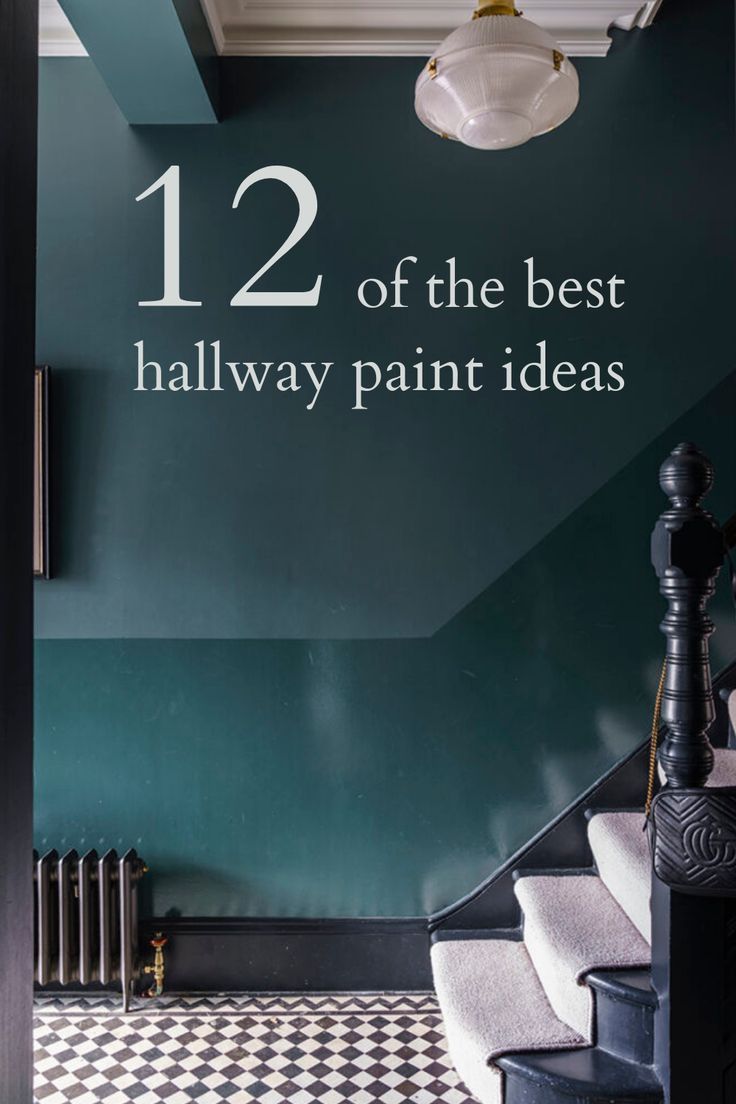
Many entryways have sloped ceilings, beams, columns, or built in niches that can be emphasized or downplayed through paint. Highlighting architectural details with a contrasting color draws the eye upward and adds visual interest to an otherwise plain wall. Conversely, using the same tone as the ceiling can create a seamless, airy effect that makes a low or narrow space feel more open.
Take note of existing fixtures like light fixtures, switch plates, and trim, because they influence how you frame your wall painting for entryway. Coordinating trim colors with the wall or selecting a crisp contrast can define the room’s character without requiring major renovations. Small adjustments in shade and finish often have a big impact on overall harmony and perceived quality.


Design Techniques and Motifs
If you prefer a more dramatic statement, a mural or patterned wall can turn the entryway into a focal point that sparks curiosity. Geometric shapes, oversized florals, or abstract strokes can be tailored to your personal aesthetic while respecting the scale of the wall. Careful planning of the motif size and repetition ensures the design does not feel cramped or lost in a high ceiling area.
Stenciling and wallpaper accents are another approach to wall painting for entryway, especially for renters or those who want removable options. These techniques allow you to experiment with texture, metallic details, or subtle gradients without a long term commitment. Pairing a bold focal wall with simpler surroundings keeps the space feeling balanced and intentional.
Art and Feature Walls
Integrating a gallery wall above the console table or a single large piece of art above the entryway bench adds layers of personality. When combined with a painted backdrop, these elements create depth and a curated look that feels carefully considered rather than cluttered. Keep a unified color thread between the wall hue and the frames or artwork for a polished finish.




Feature walls behind seating or lighting fixtures work particularly well when you want to highlight specific routines, like placing keys or mail. A darker or warmer tone in this zone can make everyday actions feel more intentional and luxurious. Layered lighting, such as sconces or a pendant, enhances the texture of the wall painting for entryway and adds atmosphere during evening hours.
Minimalist and Monochromatic Approaches
Minimalist designs rely on clean lines, subtle gradients, and restrained color palettes to create a serene entry experience. A soft ombre from light to dark on one wall can add depth without clutter, while keeping the focus on functionality and simplicity. This approach works especially well in compact homes where you want every element to serve a purpose.
Monochromatic schemes using different shades of a single color can make a narrow entryway feel cohesive and elongated. Textured finishes like matte, satin, or subtle metallic accents provide interest without introducing visual noise. The result is a refined entrance that feels welcoming, uncluttered, and thoughtfully designed.
Thoughtful wall painting for entryway has the power to transform ordinary moments into small daily joys, whether you are rushing out or returning home. By aligning your color choices, patterns, and design details with your lifestyle, you create an entrance that feels authentic and inspiring. Taking the time to plan and test options ensures the final result supports both aesthetics and everyday comfort for you, your family, and your guests.
Related Articles

Transform Your Entryway: 20+ Stunning Decor Ideas for Your Entrance Wall
The entrance wall sets the tone for every guest experience the moment they step through your door. This often overlooked space is your opportunity to make a...

Stunning Drawing Room Wall Painting Design Ideas To Transform Your Space
Transforming your drawing room wall painting designs ideas from simple blank walls into a stunning focal point begins with understanding your personal style...

Transform Your Entryway: 25 Stunning Wall Mirror Ideas
Transforming your entryway from a simple pass-through space into a welcoming, stylish, and functional area can be easily achieved with the strategic placement...

Stunning Cool Entryway Wall Art Ideas For Your Home Decor
Transform your home's first impression with captivating cool entryway wall art. A well-curated piece can instantly set the tone for your entire space, creating...

25+ Stunning Shed Wall Ideas to Transform Your Outdoor Space
Transforming a simple shed into a functional and inviting space is an exciting project that can greatly enhance your outdoor living experience. With a bit of...

Stunning Flying Birds Wall Painting Ideas For Your Home Decor
Transforming a plain wall into a breathtaking scene of flying birds wall painting ideas brings motion and freedom into your space. This guide explores creative...