Warm Light vs Cool Light: Which is Right for Your Space?
In the realm of lighting, two primary types often take center stage: warm light and cool light. Both have distinct characteristics, influencing not just visibility, but also our moods and perceptions. Let's delve into the world of warm light vs cool light, exploring their unique features, applications, and impacts on our daily lives.
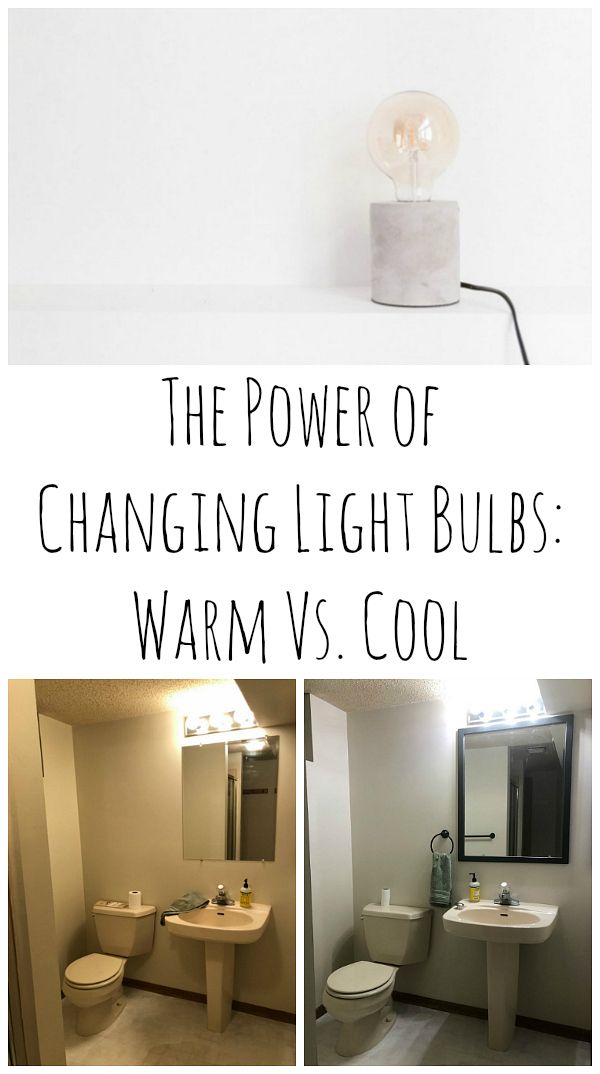
Warm light and cool light are differentiated by their color temperatures, measured in Kelvin (K). Generally, warm light ranges from 2700K to 3000K, while cool light spans from 5000K to 6500K. But what do these numbers mean, and how do they affect our experience with light?
Understanding Warm Light
Warm light, with its amber to yellowish hue, is reminiscent of sunlight during sunrise or sunset. It's often associated with comfort and relaxation, evoking feelings of coziness and intimacy.


Warm light is ideal for spaces where you want to create a welcoming, inviting atmosphere. It's commonly used in living rooms, bedrooms, and dining areas. Moreover, warm lighting can help reduce eye strain, making it a suitable choice for tasks that require prolonged visual focus, such as reading.
Incandescent and Halogen Bulbs
Traditional incandescent and halogen bulbs are known for their warm, soft glow. They operate on a simple principle: a thin wire filament heats up and emits light when an electric current passes through it. However, they're less energy-efficient than other lighting options.


Despite their energy consumption, these bulbs remain popular due to their warm light output and familiar, traditional aesthetic. They're widely used in table lamps, floor lamps, and decorative fixtures.
LED Bulbs with Warm White Light
LED (Light Emitting Diode) technology has advanced significantly, allowing for the production of warm white light. LED bulbs are more energy-efficient than incandescent and halogen counterparts, lasting longer and consuming less power.
Today, LED bulbs are available in a wide range of warm white shades, from soft white (2700K) to warm white (3000K). They're versatile, suitable for various applications, from general lighting to task lighting, and are increasingly favored for their efficiency and longevity.


Cool Light: Bright and Alert
Cool light, with its bluish-white tint, resembles daylight. It's associated with clarity, alertness, and productivity. This type of light is prevalent in commercial spaces, offices, and schools, as it promotes concentration and wakefulness.
Cool light is also beneficial in task-oriented areas at home, such as kitchens, bathrooms, and home offices. It can help enhance visibility and reduce eye fatigue during detailed work or grooming tasks.
Fluorescent Bulbs and CFLs
Fluorescent bulbs and compact fluorescent lamps (CFLs) are known for their cool, bright light. They work by exciting mercury atoms with an electric current, which then emit ultraviolet (UV) light that's converted to visible light by a phosphor coating.



Fluorescent lighting is energy-efficient and long-lasting. However, it's less popular in residential settings due to its harsh light quality and the need for special recycling procedures at the end of their lifespan.
LED Bulbs with Cool White Light
LED technology also enables the production of cool white light. LED bulbs with a color temperature of 5000K to
Related Articles

Contact Paper vs Laminate: Which is Right for Your Space?
Choosing the right protective covering for your surfaces often comes down to a practical debate between contact paper vs laminate. Both options promise to...

Cool LED Light Ideas for Bedroom: Transform Your Sleep Space
Transform your bedroom into a cozy, inviting sanctuary with these innovative and energy-efficient LED light ideas. LED lights are not only eco-friendly but...

Task Lighting vs Ambient Lighting: Which is Right for Your Space?
When it comes to illuminating your space, two primary types of lighting often take center stage: task lighting and ambient lighting. Both play crucial roles in...

Suspended Ceiling vs Drywall: Which is Right for Your Space?
When it comes to interior construction, two popular choices for ceilings are suspended ceilings and drywall ceilings. Both have their unique advantages and are...

Gutter Guards vs None: Which is Right for Your Home?
When it comes to protecting your home from water damage, one of the most crucial components to consider is your gutter system. Gutter guards, also known as...

Cool Lighting Ideas for Living Room: Transform Your Space with Stunning Ambiance
Transforming your living room with cool lighting ideas can completely redefine the mood and functionality of your main living space. The right lighting layers...