10 Easy Ways to Recycle at Home and Save the Planet
In the quest to preserve our planet, recycling at home has emerged as a powerful tool. It's not just about sorting waste; it's about creating a sustainable future. By implementing simple yet effective strategies, you can significantly reduce your carbon footprint and contribute to a cleaner, greener world. Let's dive into some practical ways to recycle at home.
Firstly, understanding what can and can't be recycled is crucial. While plastic, paper, and metal are common recyclables, not all types of these materials are accepted in every recycling program. Familiarizing yourself with your local recycling guidelines is the first step towards effective recycling.
Setting Up Your Recycling Station
An organized recycling station at home makes the process seamless. Designate specific bins for different types of recyclables. Label them clearly to avoid confusion. This could be a simple as using different colored bins or writing on them with a marker.


Consider the placement of your recycling station. It should be easily accessible, preferably near where you generate the most waste, like the kitchen or the living room. This will encourage everyone in your household to participate in recycling.
Choosing the Right Bins
Invest in bins that are durable and easy to clean. They should have a lid to contain odors and prevent contamination from pests. The size of the bin depends on the amount of waste you generate. Remember, the goal is to minimize waste, not maximize bin size.


Consider using bins with wheels for easy transport to your curb or recycling center. Also, opt for bins that are easy to empty and clean. A bin with a removable liner can make this task much simpler.
Educating Your Household
Recycling is a family affair. Everyone in your household should understand the importance of recycling and their role in it. Explain the recycling process and why it's crucial. Make it fun by turning it into a game or a challenge.
Lead by example. Show your kids how to sort waste, clean recyclables, and dispose of them correctly. When they see you doing it, they're more likely to follow suit.




What Can Be Recycled?
Now that you have your recycling station set up, let's look at what can be recycled and how.
Plastics: Not all plastics are recyclable, so check your local guidelines. Generally, rigid plastics like bottles, jars, and containers can be recycled. Rinse them out to remove any food residue. Remember, plastic bags and wraps are usually not recyclable in your curbside bin. Instead, take them to a store that collects them.
Paper Products
Paper products like newspapers, magazines, cardboard, and office paper can be recycled. However, avoid recycling paper soiled with food or grease. Also, don't recycle paper that's been contaminated with chemicals, like used tissues or paper towels.


Cardboard should be flattened and cut down to fit into your recycling bin. If it's too large, consider taking it to a recycling center or a store that accepts it.
Metal and Glass
Aluminum, steel, and tin cans can be recycled. Rinse them out to remove any food residue. Avoid recycling aerosol cans due to safety concerns. Glass bottles and jars can also be recycled. Remove the lid and rinse them out. Check your local guidelines for color-specific recycling.
Remember, not everything can be recycled. Diapers, electronics, and hazardous materials should not be placed in your recycling bin. Always check your local guidelines for safe disposal of these items.
Reducing Waste Before Recycling
While recycling is important, reducing waste is even more so. The less waste you generate, the less you'll have to recycle. Here are some ways to reduce waste at home.
Buy products with minimal packaging. Opt for products with recyclable or compostable packaging. Better yet, choose products that come in refillable containers.
Composting
Composting is a great way to reduce waste. Food scraps and yard waste make up a significant portion of our waste. By composting, you can turn these into nutrient-rich fertilizer for your plants.
Start a compost bin in your backyard or balcony. Add fruit and vegetable scraps, coffee grounds, and yard waste like leaves and grass clippings. Avoid adding meat, dairy, and diseased plants. Turn the pile regularly to aerate it and speed up decomposition.
Reuse and Repurpose
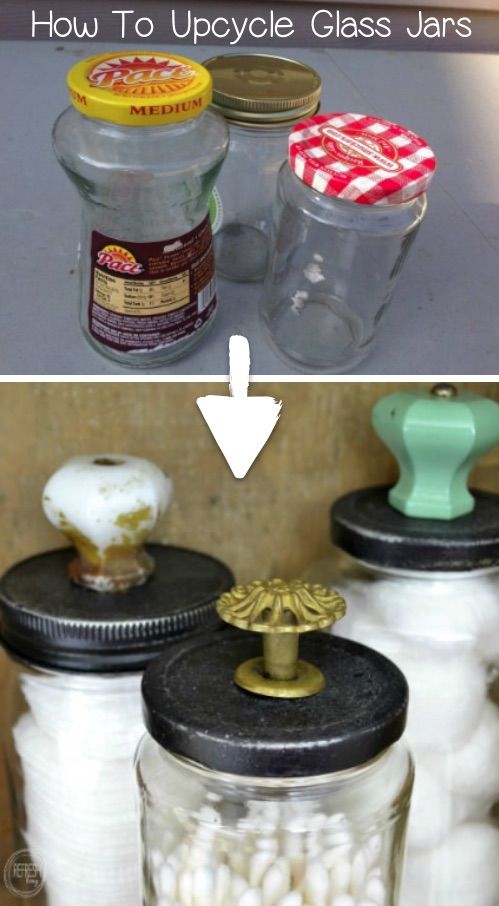
Before you recycle, consider if an item can be reused or repurposed. Glass jars can be used to store leftovers or as vases. Plastic containers can be used to organize small items. Old clothes can be turned into rags or donated.
Repair items instead of replacing them. This extends their lifespan and reduces waste. If you can't repair an item, consider donating it or selling it online.
Recycling at home is more than just sorting waste. It's about creating a sustainable lifestyle. By reducing, reusing, and recycling, you're actively contributing to a cleaner, greener world. So, let's make every day Earth Day by embracing these simple yet powerful ways to recycle at home.
Related Articles

Easy DIY Home Projects On A Budget 101 Save Money Now
Transforming your living space into a dream home doesn't always require a hefty budget or professional help. With a little creativity, some elbow grease, and...

How to Recycle Tires at Home: Easy DIY Ideas and Safety Tips
Tires are a critical component of our daily lives, enabling us to travel and commute with ease. However, once they reach the end of their useful life, they...

Recycle Tires Cost: Save Money and the Planet with Eco-Friendly Solutions
The recycling of tires is a significant global initiative that not only helps the environment but also presents unique business opportunities. One of the most...

10 Effective Ways to Reduce Waste in the Environment Save Planet
Every day, households and businesses generate staggering amounts of waste that strain landfills and pollute ecosystems, making waste reduction an urgent...

10 Creative Ways to Recycle Glass Bottles for a Sustainable Home
Glass bottles, ubiquitous in our daily lives, can be a significant source of waste if not recycled properly. However, with a little effort and awareness, these...

10 Easy Recycling Ideas to Save the Planet Fast
In today's eco-conscious world, recycling has become a household word and a daily practice for many. However, with the plethora of materials we use daily, it...