Exploring SQL: Varieties of Tables
Structured tables form the backbone of organized data storage in nearly every digital system, and understanding what are different types of tables in sql is essential for any developer or analyst. These structures define how information is organized, accessed, and maintained within a relational database management system, influencing everything from query performance to long-term scalability. Selecting the right table design is not merely a technical detail; it is a strategic decision that shapes how efficiently your application can function. By exploring the distinctions between these core components, you can build more robust and logical data models.
When diving into database architecture, it is important to recognize that not all tables serve the same purpose or operate under the same constraints. The variety available allows developers to optimize for speed, storage, data integrity, or specific engine features depending on the application's needs. Grasping these differences helps prevent common pitfalls such as slow queries, excessive redundancy, or difficult maintenance cycles. The following breakdown outlines the primary classifications you will encounter in modern SQL environments.
Base Tables and Their Variants
Base tables are the fundamental building blocks where actual data is stored permanently within a database schema. These are the objects you create when you want to persist user information, transactional records, or product inventories long-term. Understanding the specific characteristics of base tables allows you to align your storage strategy with performance and compliance requirements.


Among the variations of base tables, the standard relational table is the most common, organizing data into rows and columns with defined data types for each field. Another important variant is the system-versioned temporal table, which automatically tracks historical data changes over time without requiring custom logging code. This built-in versioning simplifies auditing and trend analysis significantly.
Data Integrity Enforcement
Ensuring accuracy and consistency is a primary concern when designing base tables, and SQL provides several mechanisms to enforce data integrity directly at the storage level. Constraints such as primary keys, foreign keys, unique constraints, and check rules are applied to the table definition to prevent invalid data from entering the system. By defining these rules upfront, you shift data validation to the database engine, which reduces application-level bugs and maintains reliability.


For example, a primary key constraint guarantees that every row can be uniquely identified, while a foreign key constraint maintains referential integrity between related tables. Check constraints allow you to specify acceptable value ranges or conditions, such as ensuring a discount percentage remains between zero and one hundred. These enforcement mechanisms work silently in the background, protecting your data from accidental corruption or malicious input.
Engine Specific Configurations
Beyond logical structure, physical storage characteristics play a crucial role in performance, and this is where engine-specific table variants become relevant. Depending on your database platform, you may choose between options such as heap tables, which store data without a predefined order, or clustered tables, which dictate how rows are physically arranged on disk. These choices directly impact I/O efficiency, especially for large datasets.
Consider a memory-optimized table, which is designed for scenarios demanding ultra-fast access and low latency, often used in high-frequency trading or real-time analytics. Conversely, a standard disk-based table might prioritize durability and cost-efficiency for archival data. Selecting the correct physical configuration is a core part of aligning your infrastructure with business objectives.


Specialized Table Types
In addition to base tables, SQL environments often include specialized table types that serve distinct technical or functional roles. These structures allow you to handle temporary data, optimize query execution, or implement advanced features like partitioning. Recognizing when to use these specialized types is a mark of an experienced database designer.
Temporary tables, for instance, provide a workspace for intermediate results during complex operations, while views act as virtual tables that present a tailored perspective of underlying data without storing it physically. Understanding the lifecycle and visibility of these structures is critical for writing efficient and maintainable SQL code.
Temporary and Session Specific Tables
Temporary tables are invaluable for staging data during lengthy transformations or batch processing, as they avoid cluttering the main database schema. Local temporary tables exist only for the duration of a session or connection, whereas global temporary tables can be shared across multiple sessions under controlled conditions. This flexibility makes them ideal for handling transient workloads.


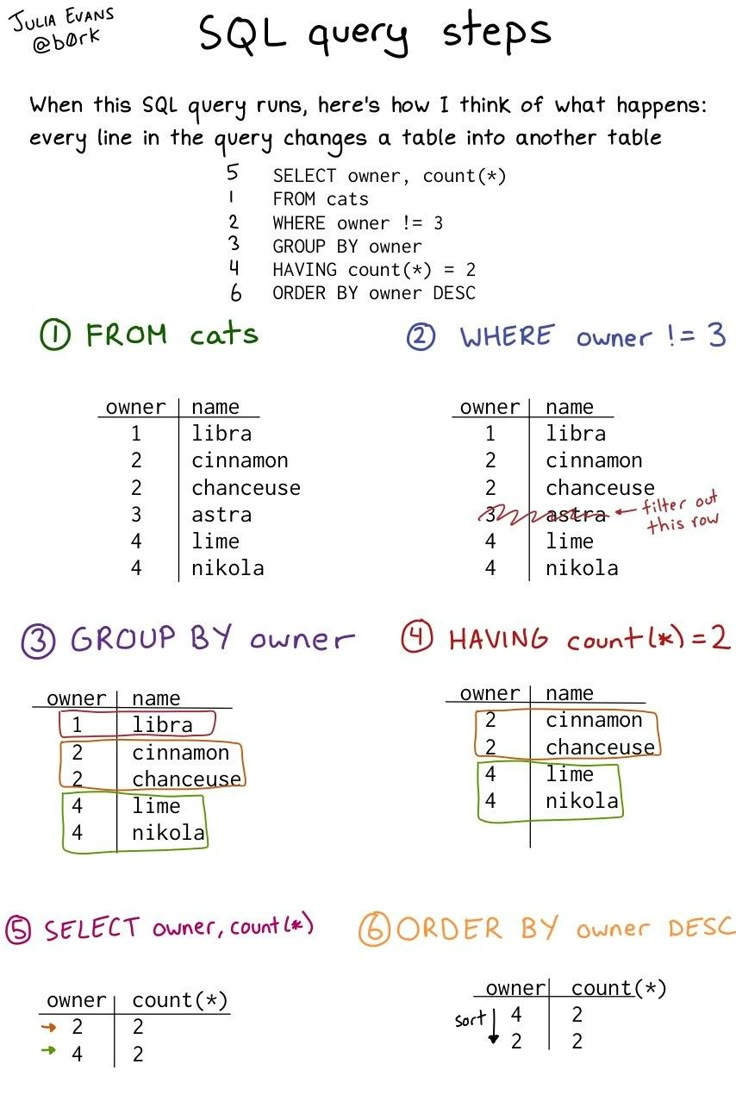


For example, a reporting job might populate a temporary table with aggregated metrics, perform further calculations, and then drop the table automatically when the session ends. Because these tables often reside in tempdb or a similar isolated area, they minimize contention with persistent data and can be optimized specifically for fast write and read cycles.
Virtual Tables and Metadata Structures
Views represent one of the most elegant solutions for simplifying access to complex joins and computed columns, functioning as virtual tables that derive their data from one or more base tables. They do not store data themselves but instead store a query definition that executes each time the view is accessed. This abstraction layer enhances security by restricting direct access to sensitive underlying tables.
Additionally, system catalog views and information schema views serve as specialized read-only tables that expose metadata about the database objects themselves. These virtual structures allow you to query indexes, constraints, and column definitions dynamically, providing essential introspection capabilities for database administration and tooling.
Advanced and Context Specific Tables
As data demands grow more sophisticated, you will encounter table types designed for specific analytical or indexing purposes. Structures like index-organized tables or columnstore tables optimize how data is laid out on disk to suit particular query patterns. Choosing these advanced options requires a clear understanding of your workload characteristics.
Data partitioning further extends the capabilities of standard tables by dividing large datasets into smaller, more manageable pieces based on key ranges, lists, or hash functions. This strategy can dramatically improve query performance and maintenance operations, such as backups and index rebuilds, by allowing you to target specific subsets of data.
Columnstore and Analytical Optimizations
Columnstore indexes, implemented through columnstore tables, are engineered for online analytical processing workloads that scan vast amounts of data. By storing data column-wise rather than row-wise, they achieve exceptional compression rates and fast aggregate performance. This makes them a staple in data warehouse environments where speed on large-scale reporting is paramount.
Similarly, memory-optimized table types, particularly natively compiled tables, eliminate much of the overhead associated with traditional disk-based engines by keeping active data entirely in RAM. These structures use advanced locking protocols and schema durability options to deliver microsecond response times for transactional applications that cannot afford latency.
Partitioned and Distributed Tables
Partitioned tables split massive datasets into smaller segments that align with your access patterns, such as date ranges or geographic regions. This approach not only accelerates queries that filter on the partition key but also simplifies data lifecycle management, allowing you to easily archive or purge old partitions without affecting the entire table.
In distributed database systems, sharded tables spread data across multiple nodes to achieve horizontal scalability. Although implementation details vary by platform, the core idea is to distribute load and storage intelligently, ensuring that the system can handle increased traffic and dataset sizes without sacrificing responsiveness or reliability.
Exploring what are different types of tables in sql reveals a landscape full of options designed to meet diverse technical demands, from simple persistent stores to high-performance analytical engines. By carefully evaluating your workload, data access patterns, and infrastructure constraints, you can select the appropriate table types that deliver both efficiency and clarity. This deliberate approach to table design lays a solid foundation for a scalable and maintainable data architecture that evolves alongside your application.
Related Articles

Pool Table Varieties: Exploring Different Types
Choosing the right pool table involves more than just picking a color that matches your decor, as the style and build of the unit fundamentally shape your...

Table Varieties: A Comprehensive List
Understanding what different types of tables are called can transform how you approach furniture selection, interior design, and even data organization in...

SAP Table Types: A Comprehensive Guide
Understanding the different types of tables in SAP is essential for any developer or technical consultant working within the SAP ecosystem, as it directly...

Types of Tables in ServiceNow
ServiceNow tables are the foundational structures that organize and store every piece of data within the platform, acting like a sophisticated digital filing...

Exploring Various Types of Chains
Chains, ubiquitous in our daily lives, serve a multitude of purposes, from securing our bicycles to powering industrial machinery. But have you ever wondered...

What Are the Different Types of Privacy Fences
Choosing the right boundary for your property is a decision that impacts security, curb appeal, and everyday comfort, and understanding the landscape of...