What Are Farmhouse Sinks Made Of: Materials Explained
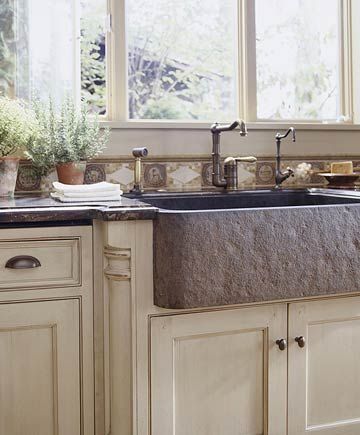
Farmhouse sinks, with their rustic charm and durability, have become a staple in modern kitchens, evoking a sense of nostalgia and warmth. But what are these sinks made of? Let's delve into the materials that make up these timeless fixtures.
Farmhouse sinks, also known as apron-front sinks, are typically crafted from a few primary materials. Each offers unique benefits in terms of durability, aesthetics, and maintenance. Let's explore these materials in detail.
Fireclay
Fireclay is a popular choice for farmhouse sinks due to its durability and classic appearance. It's a type of ceramic made from a blend of clays and other minerals, fired at high temperatures to create a strong, non-porous surface.


Fireclay sinks are known for their resistance to stains, scratches, and heat. They maintain their color and finish over time, requiring minimal maintenance. However, they can be heavy and may require additional support during installation.
Pros of Fireclay Sinks
- Durability: Fireclay sinks are highly resistant to damage and wear.
- Easy to Clean: Their non-porous surface prevents bacterial growth and makes cleaning a breeze.
- Heat Resistant: They can withstand high temperatures, making them ideal for hot pots and pans.
Cons of Fireclay Sinks
- Heavy Weight: Fireclay sinks can be quite heavy, requiring additional support during installation.
- Fragile Edges: While durable, the edges can be fragile and prone to chipping if not handled carefully.
Cast Iron
Cast iron is another popular material for farmhouse sinks. It's known for its strength, durability, and ability to retain heat. Cast iron sinks are usually enameled to protect the surface and provide a smooth, easy-to-clean finish.


Enameled cast iron sinks come in a variety of colors and patterns, offering a classic look that complements many kitchen styles. However, they can be heavy and prone to chipping if not cared for properly.
Pros of Cast Iron Sinks
- Durability: Cast iron is incredibly strong and resistant to damage.
- Heat Retention: It retains heat well, keeping water warm for longer periods.
- Vintage Aesthetic: Enameled cast iron sinks offer a classic, timeless look.
Cons of Cast Iron Sinks
- Heavy Weight: Cast iron sinks can be very heavy, making installation challenging.
- Prone to Chipping: The enamel coating can chip if not cared for properly, exposing the iron beneath to rust.
In the world of farmhouse sinks, the choice of material depends on your specific needs, budget, and the aesthetic you're aiming for. Each material offers unique benefits, ensuring there's a perfect fit for every kitchen. So, whether you're drawn to the durability of fireclay, the classic charm of cast iron, or another material, you're sure to find a farmhouse sink that suits your style and functional requirements.




Related Articles

What Are Ikea Closets Made Of: Materials Explained
When it comes to furniture, IKEA is a name that needs no introduction. Known for its stylish, affordable, and functional pieces, IKEA closets are particularly...

What Are Most Dressers Made Of: Materials Explained
When it comes to choosing a dresser for your home, one of the first questions you might ask is: what are dressers made of? The material of your dresser not...

What Are Flat Panel Cabinets Made Of: Materials Explained
Flat panel cabinets are a popular choice for modern interiors because they offer a clean, streamlined look that fits seamlessly into homes and offices. These...

Tub Materials: What Are Bathtubs & Sinks Made Of?
When it comes to choosing a bathtub for your home, one of the first questions you might ask is: what material are tubs made out of? The material of your tub...

What Are Floating Shelves Made Of: Materials Guide & Trends
Floating shelves have become a go to choice for modern interiors because they offer a sleek way to display decor and organize essentials without the visual...

What Are Bathroom Curtains Made Of: Materials Guide & Eco Options
When you step into a bathroom, the curtain is often the first element that catches your eye, setting the tone for the entire space. Beyond its decorative role...