What Color Light Bulb for Warm Light: The Ultimate Guide
Choosing the right color light bulb for warm light is often the simplest change you can make to transform the atmosphere of any room. Many people walk into a store and grab the first bulb that promises “soft white” without truly understanding what that means for their space. The reality is that the color temperature, measured in Kelvins, dictates whether a room feels cozy and intimate or clinical and sterile. For genuine warmth, you are looking for light that mimics the glow of fire or the late afternoon sun, which sits on the lower end of the Kelvin scale. This guide will walk you through the specific temperatures and technologies that deliver that sought-after warm glow, ensuring your home feels inviting rather than clinical.
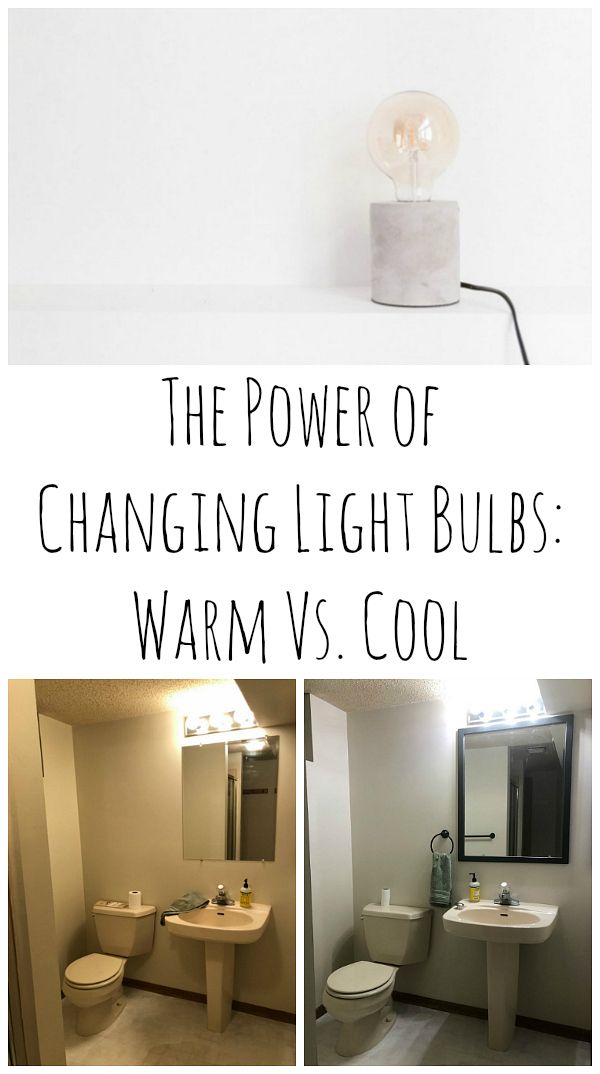
When we talk about warmth in light, we are referring to the appearance of the color, ranging from a soft, yellowish gold to a deeper, more orange amber. A warm light bulb creates a relaxing environment, ideal for living rooms, bedrooms, and dining areas where you want to unwind. If you install a cool, white bulb in these spaces, the result can be a harsh, overly bright ambiance that makes the room feel less like a sanctuary and more like an office. Understanding the language of color temperature is the first step in moving beyond generic lighting and creating an environment that truly supports your mood and activities throughout the day.
Understanding Color Temperature
Color temperature is measured in degrees Kelvin (K), and it might seem counterintuitive, but a lower number actually means a warmer, yellower light. While daylight is cool and neutral around 5000K, the warm light you desire typically falls between 2000K and 3000K. Within this range, specific temperatures offer distinct personalities that can dramatically alter the perceived mood of a room. Selecting the right point on this spectrum is the critical decision when choosing a bulb, as it determines whether you get a soft candlelit feel or a more vibrant, golden glow.


Most modern packaging uses the term "warm white" to describe bulbs in this range, but the shade can vary significantly. You will often see labels for "Soft White" (2700K to 3000K) or "Warm White" (3000K), which are generally the safest bets for achieving a classic comfort. Avoid anything labeled "Daylight" or "Bright White," as these usually indicate temperatures of 3500K and higher, which are too cool for the intimate atmosphere you are trying to create. Matching the temperature to the function of the room is the key to cohesive and pleasant interior lighting.
The 2700K Standard
The 2700 Kelvin mark is widely considered the gold standard for residential warmth. This temperature produces a rich, yellow-white light that is exceptionally flattering to skin tones and creates a thick, cozy ambiance that feels instantly welcoming. It is the temperature most closely associated with incandescent bulbs from decades past, which many people remember as the benchmark for home comfort. If you are looking to replicate that classic, nostalgic feel in a modern LED or CFL bulb, seeking out 2700K is the most reliable method.


In living rooms and bedrooms, 2700K bulbs excel at reducing the starkness of shadows and creating a smooth, relaxing pool of light. This temperature is gentle on the eyes at night and pairs beautifully with warm wood furniture, textiles, and paint colors. Choosing this temperature ensures that your decorative elements are seen in their best light, enhancing the richness of fabrics and the depth of wall colors without introducing a clinical edge.
The 3000K Alternative
Slightly cooler than the traditional 2700K, 3000K bulbs offer a bright white that still maintains a distinct warmth. This temperature is sometimes referred to as "warm white" and sits at the higher end of the warm spectrum. It provides a bit more clarity and visibility compared to its 2700K counterpart, making it suitable for areas where you might need to see details, such as hallways, kitchens, or home offices, while still retaining a friendly glow.
For spaces that are slightly larger or have higher ceilings, 3000K can be a better choice because it fills the room with a more energetic yet still inviting light. It avoids the potential gloominess that can sometimes accompany the deeper yellow of a 2700K bulb, providing a balance between ambiance and functionality. If you are unsure which temperature to start with, 3000K is an excellent middle ground that satisfies both warmth and utility.


Technology and Light Quality
Once you have determined the right color temperature, the next critical factor is the technology behind the bulb itself. The two primary options for energy-efficient warm light are LED and CFL (compact fluorescent). While both are designed to use less energy than traditional incandescent bulbs, their performance in producing warm light can differ significantly. Investing in a high-quality bulb ensures that the color is accurate and consistent, rather than flickering or casting a sickly shade.
Not all warm light bulbs are created equal, and the production quality affects how the light renders colors in your space. Cheaper bulbs might claim to be 2700K but actually emit a muddy or inconsistent color. Reading reviews and looking for brands that specify color rendering index (CRI) scores is essential. A high CRI (above 80, ideally above 90) means the bulb accurately reproduces the true colors of your furniture, art, and decor, which is vital for creating a luxurious warm atmosphere.
LED Warm Glow
LED technology has become the dominant choice for warm lighting due to its energy efficiency, longevity, and superior light quality. Modern LEDs are capable of producing a very convincing incandescent-style glow without the associated heat or high energy bill. When shopping for LED warm light, look for bulbs specifically marketed as "soft white" or "candelabra warm white" to ensure you get that authentic yellow tone rather than a sterile white.
One of the advantages of LEDs is the variety of forms they take, from classic A19 shapes to intricate Edison-style filaments. These decorative filaments often emit a beautiful, irregular pattern of warm light that adds significant character to a room. Choosing an LED with a visible filament can provide the visual warmth of a vintage bulb while maintaining the safety and efficiency of modern technology.
CFL Warm Light Options
Although less common than LEDs today, compact fluorescent lamps (CFLs) were a popular step toward energy efficiency and are still found in many homes. CFLs are generally more affordable upfront than LEDs and are capable of producing a decent warm light. However, they have drawbacks, such as a slower warm-up time and the potential contain trace amounts of mercury, which requires careful disposal.




If you choose to use CFLs for your warm lighting, ensure the package explicitly states "warm white" and check the lumen output to ensure the space is bright enough. Because CFLs can sometimes have a cooler cast than their packaging suggests, it is wise to test one in the fixture before committing to an entire room. For the best visual experience, they should be paired with a fixture that diffuses the light to soften the appearance of the tubes.
Application and Atmosphere
The physical placement of your warm light bulbs plays a significant role in how the temperature is perceived. Using warm bulbs in ambient lighting fixtures like floor lamps, table lamps, and ceiling fixtures creates a blanket of comfort that unifies the room. This is different from task lighting, where you might need a brighter, cooler light for reading or cooking, but the base level of ambient warmth should always stem from your chosen color temperature.
Layering your light sources is the professional interior designer’s trick for achieving depth and warmth. By combining overhead lighting with table lamps and floor lamps, all set to a warm color temperature, you create a multi-dimensional environment. This approach allows you to adjust the overall brightness and intimacy of the room simply by turning off specific layers, ensuring the warm light is always present when you need it.
Creating Cozy Corners
Warm light is the essential ingredient for creating inviting nooks and reading spots within your home. A floor lamp with a 2700K bulb placed beside a comfortable armchair instantly defines the space as a retreat. The focused pool of warm light encourages relaxation and signals to your brain that it is time to slow down. This targeted application of warmth is more effective than trying to heat an entire large room to a cozy level.
In bedrooms, installing warm light bulbs in bedside sconces or hanging pendants creates a serene environment conducive to sleep. The gentle glow is less disruptive to melatonin production than bright white light, helping you wind down at the end of the day. Choosing dimmable warm light bulbs adds further versatility, allowing you to shift the mood from bright dressing light to a soft, romantic ambiance with a simple turn of a switch.
Accent and Decoration
Warm light bulbs are particularly effective when used to highlight decorative objects, artwork, or architectural features. The yellowish tone enhances the richness of wood grains, the warmth of metal finishes, and the depth of colored glass. Placing a warm light behind stained glass or within a display cabinet can make the colors pop in a way that cooler lights cannot achieve.
String lights and decorative bulbs with warm filaments are popular for adding a touch of magic to outdoor spaces and indoor events. Whether draped across a patio or wrapped around a indoor architectural element, these bulbs emit a gentle, festive glow that feels organic and inviting. They prove that warm light is not just for interiors; it can define the mood of an entire exterior space during the evening hours.
Selecting the correct color temperature is the most direct path to achieving the perfect warm light in your home. By understanding the nuances between 2700K and 3000K and pairing that choice with high-quality LED technology, you take complete control over the atmosphere you create. The right bulb transforms a functional space into a personal sanctuary, proving that the simplest decisions often have the biggest impact on how we feel in our surroundings.
Experimenting with different fixtures and placements allows you to discover how warm light interacts with your personal style and existing decor. Whether you prefer the deep yellow of a 2700K candle or the slightly brighter gold of a 3000K glow, the goal is to create an environment that feels authentically comfortable to you. Take the time to adjust your lighting layer by layer, and you will find the perfect balance of utility and warmth for every room you inhabit.
Related Articles
What Color Is Warm Light Bulb: The Ultimate Guide To Cozy Illumination
When it comes to lighting, the color temperature of a light bulb significantly impacts the ambiance and mood of a space. One of the most common questions asked...
What Is a Warm Light Bulb Color The Ultimate Guide
Ever found yourself in a cozy café, bathed in a soft, inviting glow, wondering what makes the ambiance so warm and welcoming? Chances are, it's the warm light...
What Color Is Warm White Light Bulb Brightness Guide
When you stand in front of a lighting aisle, the simple question of what color is warm white light bulb can feel surprisingly complex, especially with so many...

Led Warm Light Color Code Ultimate Guide Hex Rgb Kelvin Chart
Embarking on the journey to create the perfect ambiance in your space? LED warm light color codes are your secret weapon. They're not just numbers; they're the...

From Dim to Warm: The Ultimate Guide to LED Color Temperature Shifting
Dim to warm LED lighting represents a sophisticated evolution in modern illumination that allows the brightness of your lights to gradually shift from a soft...

What Color Light Bulb for Dining Room: Bright Ideas & Warm Tones
When it comes to creating a welcoming and inviting atmosphere in your dining room, the right lighting can make all the difference. But with a plethora of light...