What Color Should I Paint My Deck Railing Stunning Ideas and Trends
Choosing the perfect color for your deck railing can feel overwhelming because this small detail plays a big role in tying your entire outdoor space together. The railing acts as a frame for your view, so the right shade enhances your landscape while the wrong one can make the area feel disjointed. Many homeowners underestimate how much this decision impacts curb appeal and the perceived size of their yard. This guide walks through practical strategies to help you feel confident about the final pick.
Before you test a single swatch, it helps to understand your deck’s surroundings and how your personal style fits into the picture. Factors like the color of your home’s exterior, nearby vegetation, and the amount of sunlight your deck receives all quietly influence which colors will look best. By stepping back and observing these elements, you turn a vague question into a targeted decision that reflects both function and beauty.
Harmonizing With Your Home and Landscape
Your home’s main exterior color should be the anchor when you choose a railing shade, especially if the deck is attached. A safe approach is to pick a tone that is one shade lighter or darker than your siding, creating a subtle contrast that feels balanced and intentional. If your house features neutral tones like gray, beige, or warm taupe, these palettes offer a flexible backdrop for wood or composite railings that can lean slightly bolder.


Natural surroundings also send powerful cues about the most harmonious railing color. If your deck is surrounded by deep greens, leafy trees, or lush garden beds, a warm brown, soft gray, or muted green can help the railing blend gracefully. On the other hand, minimalist landscapes with clean lines might benefit from a slightly darker or more saturated color to add definition and structure.
Matching Existing Hardscapes
Pathways, patios, and outdoor stairs often use stone, concrete, or tile in colors like charcoal, rust, sandstone, or cool gray. Matching these hues, even loosely, creates a sense of continuity so the deck does not feel like a separate patch added on randomly. You can echo a dark stone path with a charcoal railing or mirror the warmth of a clay-toned patio with a honey or caramel shade.


Pay attention to transition areas where the deck meets fences, walls, or outdoor kitchens. If these structures already have a color you love, consider using the same paint or stain on your railing to knit the entire zone together. This trick is especially effective in long, narrow yards where visual repetition makes the space feel wider and more cohesive.
Enhancing Curb Appeal From The Street
Colors that pop against neutral siding can turn a simple deck into a focal point when guests arrive from the street. Dark navy, deep charcoal, or forest green railings create a sophisticated backdrop for lighter trim and doors, lending a modern, curated look. Just be sure there is enough contrast with your siding so the railing does disappear visually.
Warmer neighborhoods might favor earth tones that echo brick, clay roof shingles, or sun-faded wood, while coastal or contemporary styles often shine with crisp white, soft gray, or muted blue accents. The key is to choose a railing color that feels like a natural extension of the personality you want your home to project.


Practical Considerations and Material Choices
The material of your railing has a direct impact on which colors will work best and how much maintenance you will handle over time. Wood tends to accept stains and paints beautifully but may require more frequent touch-ups, especially in harsh weather. Composite and vinyl railings often come pre-colored and resist fading, although they still accept paint if the surface is properly prepared.
Climate is another hidden factor worth considering. Intense sunlight can bleach lighter tones over time, while regions with heavy rain or humidity might cause darker colors to show water marks more easily. Matching your choice to these conditions helps the railing maintain its look so you enjoy the aesthetic longer without constant intervention.
Selecting Colors For Different Materials
For classic wood railings, rich stains in espresso, chestnut, or teak bring depth and warmth, while opaque paints in soft gray or sage offer a more modern, tailored appearance. Painted wood allows you to experiment with bold trim colors, such as navy or hunter green, without committing to an entirely painted deck surface.


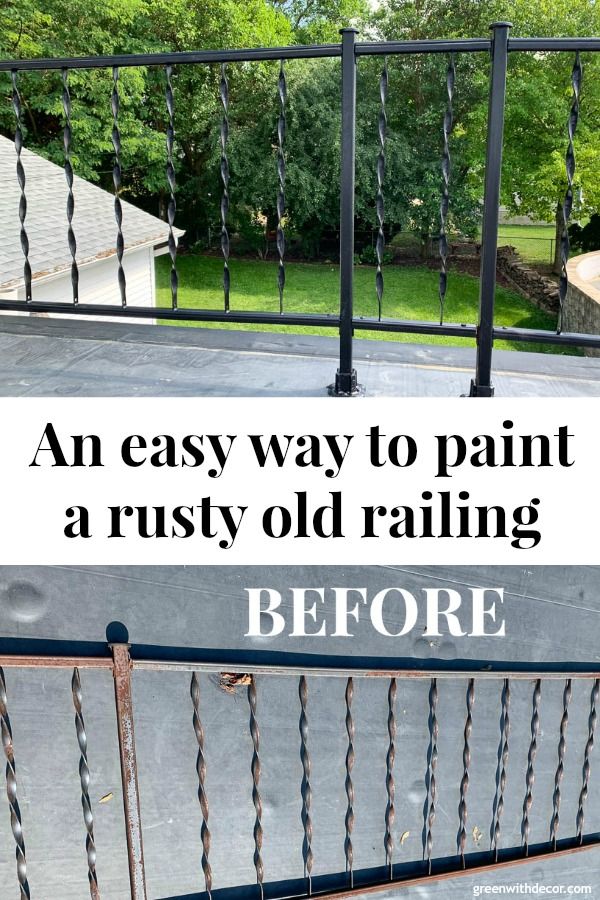

Composite or aluminum railings give you the freedom to use light or bright colors without worrying as much about staining or rot. Whites, creams, and pastels can make a small balcony feel airy, while darker tones on a wide deck create definition and a streamlined silhouette. Just verify that the paint bonds well with the specific material to avoid peeling later on.
Balancing Sunlight and Shadow Play
The direction your deck faces changes how colors appear at different times of day. North-facing decks receive cooler, softer light, so warm tones like peach, light brown, or muted gold can balance the chill and add a welcoming glow. South-facing decks get strong, direct sun, which can wash out pale colors, making richer, saturated hues more forgiving.
Shadows cast by railings can create subtle lines on your floor and walls, so think about whether you want these patterns to be crisp or soft. Dark railings produce sharp, pronounced shadows that emphasize architecture, while lighter shades create a softer, more diffused effect. These small interactions with light can elevate the mood of your outdoor room without changing a single piece of furniture.
Testing and Finalizing Your Perfect Railing Color
Even with the best planning, colors can look completely different on a swatch compared to your actual railing under real conditions. Bringing home sample paints or requesting stained panels test how the hue reacts with your specific wood grain, surrounding plants, and weather exposure. Observing these samples through an entire day helps you avoid surprises once the project is underway.
When in doubt, consider starting with a medium-value neutral like warm gray, greige, or muted taupe, because these shades play well with almost any decor and exterior palette. You can then add personality through outdoor cushions, planters, and decor while keeping the railing as a stable, elegant frame that will stand the test of time.
Exploring paint chips, taking photos in different lighting, and comparing them against your existing materials will transform an intimidating decision into an exciting design moment. Choosing the right railing color ultimately comes down to balancing your aesthetic preferences with practical factors so your deck feels cohesive, welcoming, and truly yours.
As you visualize your ideal outdoor space, remember that the perfect railing color will enhance every sunset coffee, summer gathering, and quiet morning spent outside. Taking the time to weigh harmony, material, light, and maintenance ensures the result feels intentional and satisfying rather than accidental. Trust your observations, lean on tested samples, and let the final choice reflect both the beauty of your home and the way you love to live on your deck.
Related Articles

What Color to Paint Master Bedroom: Stunning Ideas & Trends
When it comes to designing your master bedroom, one of the most impactful decisions you'll make is choosing the right color scheme. The color of your walls can...

What Color to Paint Kitchen Cabinets: Stunning Ideas & Trends
Choosing the right color to paint kitchen cabinets is one of the most impactful design decisions you will make in your home. This single change can completely...

What Color to Paint Fireplace With Beige Walls Stunning Ideas
Choosing the right color to paint your fireplace when you have beige walls opens up a world of design possibilities, allowing you to transform the focal point...

What Is the Best Color to Paint a Wood Fence: Stunning Ideas & Tips
When it comes to enhancing the curb appeal of your home, one of the most impactful decisions you can make is choosing the right color for your wooden fence...

What Color Should a Mudroom Be? 7 Inspired Ideas & Trends
When it comes to designing a mudroom, one of the most crucial decisions you'll make is choosing the right color scheme. This space, often the first area you...

Stunning Bedroom Tiles Color Ideas Design Trends 2024
Transforming your bedroom into a sanctuary of relaxation and comfort often starts with the right color palette. Bedroom tiles, a crucial design element, can...