What Colors Go With Wood Trim Ideas and Matching Schemes
When it comes to interior design, the color palette can make or break the overall aesthetic. Wood trim, a classic and timeless element, can significantly influence the color scheme of a room. But what colors go with wood trim? The answer lies in understanding the warmth and richness that wood brings to a space, and how different colors can complement or contrast with it.
Wood trim can range from light, airy shades to dark, rich tones. The color of your wood trim should guide your color selection. For instance, lighter woods like maple or birch pair well with cool colors, while darker woods such as mahogany or walnut complement warm colors.
Complementary Colors
Complementary colors are those that are opposite each other on the color wheel. They create a strong contrast that can make both colors pop. When using complementary colors with wood trim, consider the undertones of your wood. For example, woods with yellow undertones, like pine or oak, can be complemented by cool blues or greens.


However, be cautious with the intensity of complementary colors. A little goes a long way. Consider using them as accent colors rather than dominant ones to avoid overwhelming the space.
Cool Colors with Warm Wood
Warm woods like cherry or maple can be beautifully balanced with cool colors. Blues and greens can create a soothing contrast, while also bringing a sense of nature into the room. For instance, a cool blue wall paired with warm wood trim can create a calming, nautical-inspired atmosphere.


To maintain balance, ensure that cool colors are not too dark or overpowering. Lighter shades or tones with gray undertones can help to soften the contrast and create a more harmonious look.
Warm Colors with Cool Wood
Cool woods like birch or ash can be warmed up with the right color palette. Earthy tones like terracotta, mustard, or warm gray can create a cozy, inviting atmosphere. These colors can also help to ground the space and create a sense of harmony.
Again, be mindful of the intensity of warm colors. They can quickly overwhelm a space, so consider using them sparingly or in lighter shades.


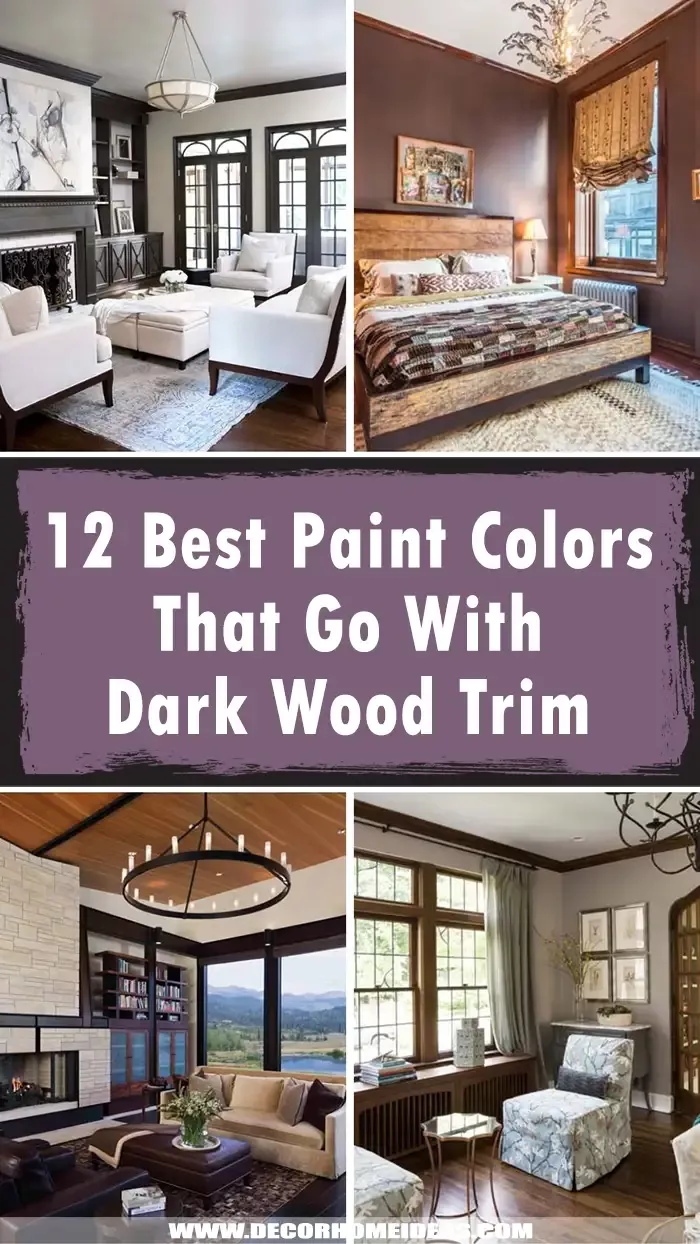

Monochromatic and Neutral Colors
Monochromatic and neutral colors can create a sophisticated, cohesive look when paired with wood trim. These colors allow the natural beauty of the wood to shine, while also creating a sense of calm and balance in the room.
Neutral colors like beige, cream, or gray can create a clean, modern look when paired with wood trim. They also provide a versatile backdrop that allows the wood to take center stage. Monochromatic schemes, on the other hand, can create a sense of depth and richness. For example, a room with dark wood trim and varying shades of gray can create a dramatic, luxurious look.
Monochromatic with Wood Trim
Monochromatic schemes can be achieved by using different shades and tones of the same color. For instance, a room with dark wood trim and varying shades of brown can create a cohesive, earthy look. This scheme can be softened with the addition of white or light gray to prevent the room from feeling too heavy.


To add interest to a monochromatic scheme, consider incorporating different textures and patterns. This can help to break up the space and create visual interest.
Neutral Colors with Wood Trim
Neutral colors can create a clean, modern look when paired with wood trim. They also provide a versatile backdrop that allows the wood to take center stage. For instance, a room with light wood trim and neutral walls can create a bright, airy atmosphere.
To prevent neutral colors from feeling bland, consider incorporating different textures and patterns. This can help to add depth and interest to the space. Additionally, consider adding pops of color through accessories like throw pillows, rugs, or artwork.
In the end, the best colors to pair with wood trim depend on the specific shade of your wood, the overall aesthetic you're aiming for, and your personal preferences. Don't be afraid to experiment with different colors and schemes until you find the perfect balance. After all, the goal is to create a space that feels not just beautiful, but also uniquely you.
Related Articles

What Color Area Rug with Brown Couch Ideas Matching Schemes
When it comes to selecting an area rug to complement your brown couch, the color possibilities are vast and exciting. The right rug can tie your room together...

Best Paint Colors for Wood Kitchen Cabinets: A Comprehensive Guide
When it comes to designing a warm and inviting kitchen, the combination of wood cabinets and the right paint color can create a stunning, cohesive look. But...

Best Rug Colors for Light Grey Couch: Expert Matching Guide
When it comes to selecting a rug to complement your light grey couch, the possibilities are vast and varied. The right choice can enhance your space's...

What Colors Match With Peach Pants Fashion Ideas And Outfit Combinations
Peach pants are a versatile wardrobe staple that can add a touch of warmth and sophistication to any outfit. But finding the right colors to match them can be...

What Color Curtains Go With Red Walls Design Ideas And Matching Tips
Choosing the right color curtains for red walls can feel intimidating, but it is one of the most exciting ways to express your personal style. Red is a bold...

Pink Room Curtain Colors: Best Matching Shades
Choosing the right color curtains for a pink room can transform the space from ordinary to extraordinary, setting the mood and enhancing the overall aesthetic...