What Defines a Pergola: Key Features and Design Elements
A pergola is much more than a simple outdoor structure; it is an architectural element that shapes how we experience our gardens and backyards.
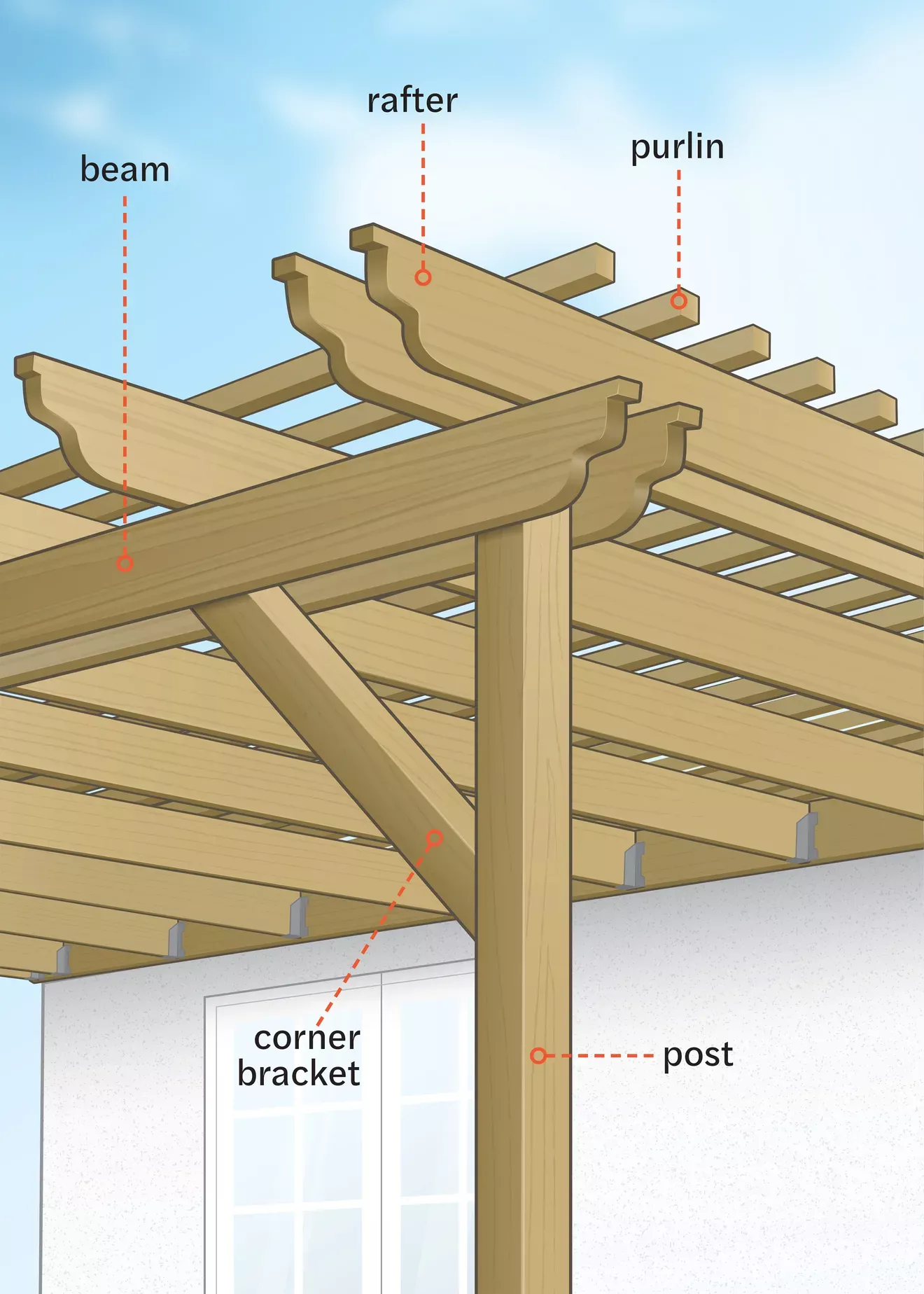
At its core, a pergola is defined by its open framework, which typically consists of vertical posts supporting a lattice of beams or rafters, creating a distinct overhead structure that filters sunlight and defines a space.
The Fundamental Structure of a Pergola
The primary framework of a pergola relies on sturdy vertical posts that rise from the ground or deck, providing the essential support for the entire construction.


These posts anchor a series of horizontal beams or rafters laid across the top, and while solid roofs are common, the defining characteristic is the intentional gaps left between the beams, allowing dappled light and rain to pass through.
Material Choices and Construction
Wood remains a popular choice for pergolas, offering a warm, natural aesthetic that blends seamlessly with garden environments and weathers gracefully over time.


Manufactured materials like aluminum or vinyl are also prevalent, as they resist rot and require minimal upkeep while still providing the necessary structural framework for the overhead grid.
The Role of the Open Roof
The open lattice roof is the most recognizable feature, differentiating a pergola from a solid-roofed gazebo or patio cover by design rather than complete enclosure.
This lattice can be used to support climbing plants, transforming the structure into a living green wall that provides seasonal shade and enhances the visual appeal of the installation.


Function and Design Flexibility
Pergolas serve as versatile outdoor rooms, delineating spaces for dining, relaxing, or entertaining without the complete enclosure of a traditional deck extension.
They provide essential shade during the hottest parts of the day while maintaining an open connection to the sky and surrounding landscape, creating a comfortable outdoor environment.
Integration with Landscape Design
When adorned with vines, wisteria, or grapevines, a pergola becomes a stunning architectural feature that adds vertical interest and a touch of romance to any yard.


Modern designs often incorporate clean lines and minimalist supports, proving that this structure can complement both contemporary homes and classic garden styles with equal ease.
Customization and Personal Expression
Homeowners frequently personalize their pergolas with outdoor fabrics, string lights, or integrated speakers, tailoring the space to specific entertainment needs and preferences.
The ability to attach retractable canopies or side curtains further enhances functionality, allowing users to adjust the level of shade and protection based on the weather.
Understanding these key elements helps clarify what truly defines this beloved outdoor structure and highlights its enduring popularity in residential design.
Exploring different layouts and materials allows you to create a custom solution that enhances your lifestyle and extends your living space into the open air.
Related Articles

What Makes a Mid Century Home Iconic Design Features and Timeless Appeal
Understanding what makes a mid century home begins with recognizing a distinct moment in design history, the decades following World War II when optimism and...

What Should the Back of a Toilet Look Like: Design Ideas and Hidden Features
When you step into a bathroom, the back of a toilet often fades into the background, yet it plays a critical role in both function and style. This overlooked...

What Makes a Garden a Garden: The Essential Elements Defining Garden Design
Defining what makes a garden a garden begins with understanding that it is more than just a random collection of plants. At its core, a garden is a carefully...

The Ultimate Guide to Modern Farmhouse Design Style: Key Elements & Ideas
Modern farmhouse design style captures the warmth of rural living with the polish of contemporary living, creating spaces that feel both inviting and refined...

What Makes a Good House Design Key Elements for the Perfect Home
A good house design balances beauty, comfort, and practicality in a way that feels natural the moment you step through the door. Beyond trends, it responds to...

7 Essential Elements of Interior Design
Understanding the seven elements of interior design is the foundation for creating spaces that are not only beautiful but also functional and comfortable...