What is Ambient Room Temperature?
Ever found yourself wondering what that perfect temperature is when you're not too hot or cold? That's ambient room temperature for you. But what exactly is it, and how is it determined?
Ambient room temperature, often referred to as room temperature, is a term used to describe the typical temperature range within a room or indoor environment. It's a concept that's deeply ingrained in our daily lives, affecting our comfort, productivity, and even our health. But where did this concept originate, and what does it mean for us today?
Historical Context of Ambient Room Temperature
To understand ambient room temperature, we need to delve into its historical context. The concept emerged in the 19th century as indoor environments began to change significantly with the advent of central heating and air conditioning. Before this, people were accustomed to much wider temperature fluctuations, both indoors and outdoors.

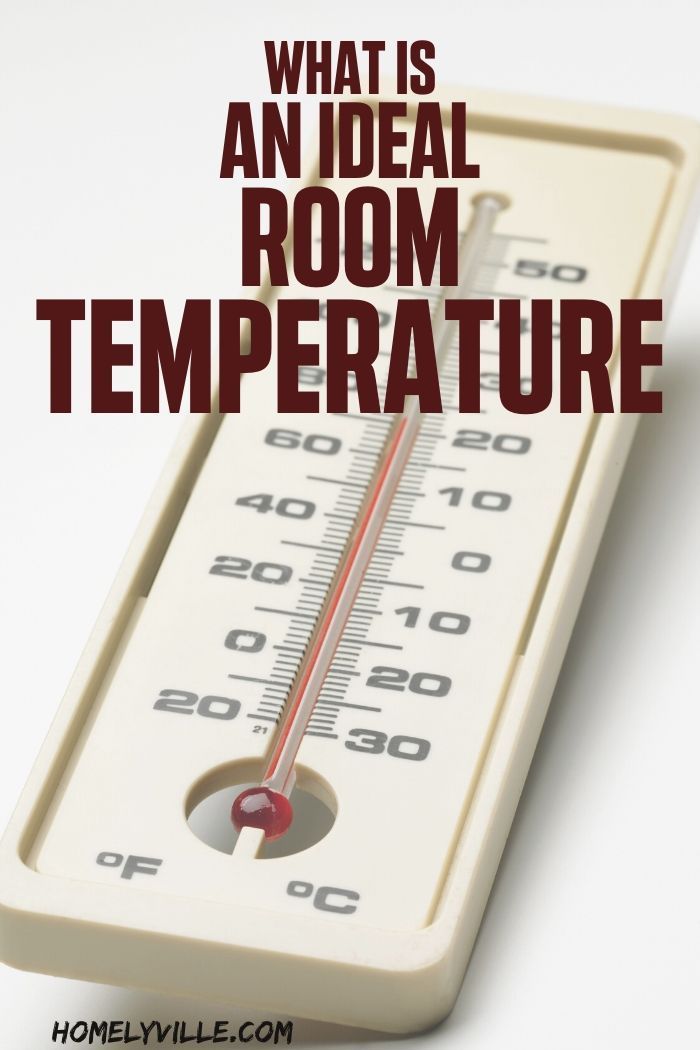

The term 'room temperature' was first used in the late 1800s to describe the temperature at which water freezes, which is 32°F or 0°C. This was a convenient reference point, as it was easily measurable and had practical implications, such as the melting point of ice.
Standardization of Ambient Room Temperature
As technology advanced, the need for a standardized ambient room temperature became apparent. In 1928, the American Society of Heating and Ventilating Engineers (ASHRAE) established the first standard for indoor air quality, which included a recommended range for room temperature. This range was set between 68°F to 74°F (20°C to 23.3°C) for comfort and health reasons.


This standard has since been adopted worldwide, with minor variations. For instance, in Europe, the recommended range is typically between 18°C to 24°C (64°F to 75°F). These ranges are considered optimal for human comfort, productivity, and energy efficiency.
Factors Affecting Ambient Room Temperature
While the standardized range provides a useful guideline, the perceived ambient room temperature can vary greatly depending on several factors. Humidity, air movement, and individual physiology all play a role in how we experience temperature.
For example, a room at 72°F (22°C) might feel too cold to someone who's been outside in hot, humid weather, while it might feel too warm to someone who's just come in from the cold. Similarly, a breeze can make a room feel cooler, while high humidity can make it feel warmer.


Ambient Room Temperature in Different Contexts
Ambient room temperature isn't a one-size-fits-all concept. Different contexts require different temperature ranges for optimal comfort and functionality.
For instance, in offices, a temperature range of 68°F to 74°F (20°C to 23.3°C) is typically recommended to balance employee comfort and energy efficiency. However, in hospitals, the range is often narrower, typically between 68°F to 74°F (20°C to 23.3°C), to prevent the spread of infections and ensure patient comfort.
Ambient Room Temperature in Science and Industry
In scientific research and industrial processes, ambient room temperature often refers to the temperature at which experiments or reactions occur without external heating or cooling. This is typically around 25°C (77°F), although it can vary depending on the specific application.


In these contexts, maintaining a consistent ambient room temperature is crucial. Even small fluctuations can affect results, leading to inaccurate data or flawed products.
Ambient Room Temperature in Everyday Life
In our daily lives, ambient room temperature is a constant consideration. We adjust our clothing, our activities, and even our moods based on the temperature around us. It's a fundamental aspect of our indoor environments, influencing everything from our sleep patterns to our productivity.
Understanding and controlling ambient room temperature can help us create more comfortable, healthier, and more energy-efficient indoor spaces. It's a simple concept, but one that touches almost every aspect of our lives.
So, the next time you adjust the thermostat, remember that you're not just controlling the temperature, you're shaping your environment in profound ways. And that's the power of ambient room temperature.
Related Articles

What Color Temperature for Dining Room: Ultimate Guide to Perfect Lighting
When it comes to designing your dining room, one crucial aspect often overlooked is the color temperature of lighting. The right color temperature can...

What Is a Double Room with Two Double Beds: Definition & Guide
Travelers seeking a comfortable, sociable bed arrangement often encounter the phrase describing a double room with two double beds, which represents a popular...

What Color Curtains for Living Room: 10 Stunning Ideas to Transform Your Space
When it comes to transforming your living room into a cozy, inviting space, the right color curtains can make all the difference. They not only control light...

What Age Should Twins Have Their Own Room Tips For Better Sleep
When it comes to twins, one of the most common questions parents ask is, "What age should twins have their own room?" This decision isn't just about space, but...

What is Ambient Lighting in a Home?
Imagine walking into your home after a long day, and instead of being greeted by harsh, glaring lights, you're enveloped in a warm, soft glow that instantly...

Ambient Light Sensor: Uses and Functions
An ambient light sensor, often abbreviated as ALS, is a type of light sensor that measures the intensity of ambient light in a given environment. It's a...