What is a Warm Light Bulb Brightness Temperature Explained
When people talk about lighting their homes, the question of what is considered a warm light bulb often comes up, yet the answer is more layered than a simple temperature number. Understanding this concept requires looking at how measured color temperature interacts with perception, mood, and the function of a space. A warm light bulb creates an inviting atmosphere that feels closer to traditional incandescent light, making it a popular choice for relaxation and comfort. This guide will explore the technical definitions, practical applications, and nuanced differences that define a truly warm light experience.
To define what is considered a warm light bulb, it is essential to understand the scale used to measure light color, known as correlated color temperature, which is expressed in degrees Kelvin. Lower Kelvin values indicate a warmer light spectrum, moving from red and orange tones toward yellow and soft white. Higher Kelvin values produce a cooler appearance, resembling daylight with more blue and white components. This measurement is the primary tool for determining whether a bulb feels cozy or clinical.
Defining Warm Light on the Temperature Scale
The typical range for what is considered a warm light bulb falls between 2000K and 3000K on the Kelvin scale. Within this range, subtle variations create distinct ambiances that suit different rooms and activities. Selecting the right point in this spectrum can dramatically alter the mood of a space without changing a single piece of furniture. This section breaks down the specific characteristics and use cases for these temperatures.


Bulbs in the 2000K to 2200K range emit a very warm, dim glow that is quite similar to the flicker of a candle or the soft incandescent bulbs of the past. This ultra-warm light minimizes blue wavelengths, which creates a relaxing environment that is easy on the eyes during evening hours. It is ideal for accent lighting, decorative fixtures, and areas where the primary goal is to create a sense of intimacy and calm.
Soft White and Incandescent Glow
At the higher end of the warm spectrum, around 2700K to 3000K, you find the Soft White category, which closely mimics the familiar glow of a traditional incandescent bulb. This temperature strikes a balance between functionality and comfort, providing enough brightness for task lighting while maintaining a welcoming tone. This is the most common recommendation for residential living rooms, bedrooms, and hallways.


In practical terms, a Soft White bulb makes whites appear creamy rather than stark and renders colors in a way that feels natural and earthy. If you are trying to replicate the warm lighting of a vintage home or simply want a gentle light that does not distract, choosing a bulb in this Kelvin range ensures that the atmosphere remains hospitable and soothing after the sun goes down.
Comparing Warm Light to Other Temperatures
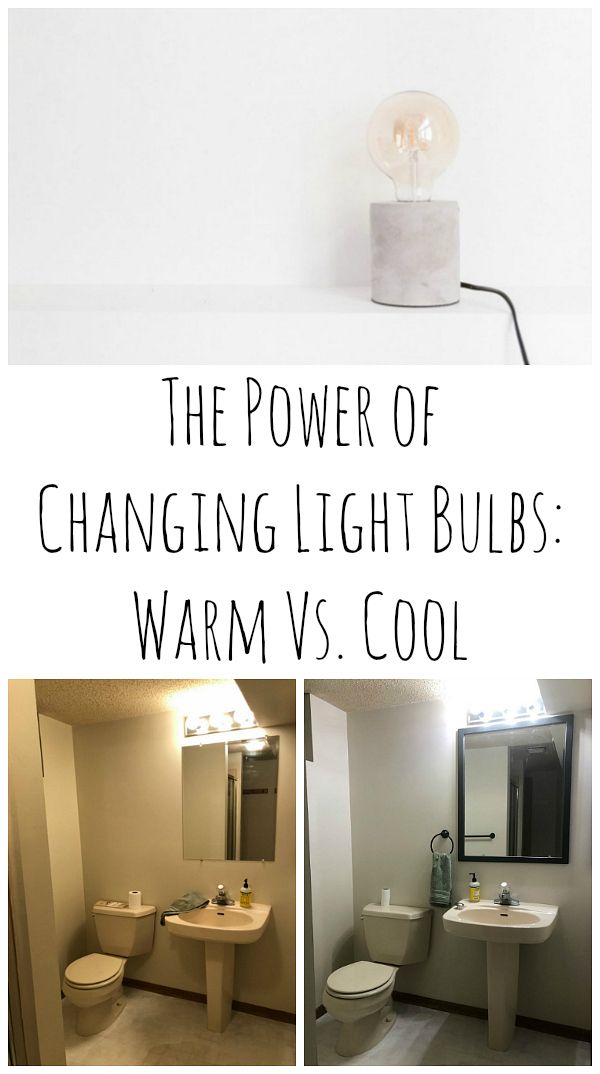
Understanding what is considered a warm light bulb becomes clearer when you compare it directly to Neutral White and Daylight temperatures. While warm light focuses on comfort and ambiance, higher Kelvin values prioritize clarity and color accuracy for specific tasks. Recognizing the differences helps in making informed decisions for every room in the house.
Neutral White bulbs range from 3000K to 40000K and introduce a cleaner, more balanced light that is less yellow than warm white. Daylight bulbs, at 5000K and above, are designed to mimic natural outdoor light, which is excellent for detailed work, reading, or spaces where bright visibility is critical. However, these cooler temperatures often feel sterile or harsh in residential settings where relaxation is key.




The Impact on Color and Atmosphere
Warm light bulbs have a unique ability to soften the appearance of colors and materials. Wood grains appear richer, fabrics look more luxurious, and metal finishes take on a subtle sheen without looking cold. This makes warm lighting particularly effective in social areas such as dining rooms, living rooms, and entertainment spaces, where the goal is to encourage interaction and comfort.
Furthermore, the psychological effect of warm light cannot be overlooked. Research suggests that warmer spectra can lower stress and prepare the body for rest, which is why many healthcare and hospitality industries utilize this range to create calming environments. By choosing warm lighting, you are not just selecting a color; you are curating an experience that influences how people feel in that space.
Practical Applications and Layering
Implementing warm light does not mean every fixture in your home must use the same bulb. Effective lighting design often involves layering different temperatures to meet functional needs. For instance, you might use 2700K warm light bulbs in your living room for general ambiance while incorporating 3000K or neutral white in the kitchen for food preparation and cleaning.


This strategy allows you to enjoy the inviting nature of warm light where it matters most while maintaining the precision needed in task-oriented areas. Using dimmer switches with warm light fixtures further enhances this flexibility, enabling you to adjust the intensity to match the time of day or the specific activity taking place in the room.
Choosing the Right Bulb for Your Home
Selecting the perfect option requires considering the room's purpose, your personal taste, and the existing decor. Fortunately, most modern lighting products clearly label their color temperature on the packaging, making it easy to identify whether a bulb will provide a warm, inviting glow or a cooler, more energetic light.
For bedrooms and media rooms, prioritizing a lower Kelvin rating ensures a tranquil environment conducive to sleep and relaxation. For hallways and entryways, a slightly warmer Neutral White can provide a balance between welcoming softness and enough clarity to see safely at night.
Compatibility and Technology
It is important to note that the warmth of light is available across various technologies, including LED, CFL, and traditional incandescent. LED technology, however, has revolutionized the market by offering high efficiency and long lifespans while maintaining the exact same color temperatures that were previously only available through energy-intensive incandescent bulbs.
When shopping for LEDs, look for phrases like "Soft White" or "Warm White" to guarantee you are getting that cozy glow. Avoid assumptions based on wattage, as watts measure energy usage, not brightness or color. Checking the packaging for the Kelvin rating is the definitive way to ensure you are buying the right bulb for your atmospheric goals.
Choosing the right lighting is a personal decision that shapes the character of your home. By understanding the specifics of what is considered a warm light bulb, you take control of your environment, creating spaces that support your lifestyle and aesthetic preferences. Exploring the different temperatures allows you to transform your house into a home that feels genuinely comfortable and visually pleasing to you and your family.
Related Articles

What Colour Is Warm Light Bulb Brightness And Temperature Explained
When it comes to lighting, the color temperature of a light bulb plays a significant role in setting the mood and atmosphere of a space. One of the most common...
What Is Warm White Light: Brightness And Color Temperature Explained
Imagine you're in a cozy room, the sun is setting, and the warm glow of the setting sun is casting a soft, inviting light. That, my friend, is what we mean by...
What K Is Warm LED Light: Brightness Temperature Explained
Ever found yourself in a cozy, inviting space, bathed in a soft, warm glow, and wondered, "What makes this lighting so comforting?" Chances are, you're...
What Is a Warm Light Bulb: Cozy Glow Explained
A warm light bulb, also known as an incandescent light bulb, is a type of lighting that produces light through the heating of a filament. This filament...
What Temperature Is Warm White LED Light Bulbs Explained
When it comes to LED lighting, the term "warm white" often leaves people wondering: what exactly does that mean in terms of temperature? In the world of...
What Colour Is Warm White Light Bulb Brightness Guide
When you stand in front of a lighting aisle, the simple question, what colour is warm white light bulb, can feel surprisingly complicated. Understanding that...