What Is Poster Board: The Ultimate Guide to Sizes Uses and Tips
Poster board is a sturdy, large sheet of paper or lightweight card that crafters, students, and professionals use as a base for displaying information or artwork. It provides a rigid background that holds up decorations, text, and images without sagging, making it ideal for presentations and exhibits. This material is favored for its portability, affordability, and availability in a wide range of colors and textures, allowing makers to create polished and attention-grabbing displays with minimal effort.
Typically manufactured from heavy-weight paper or paperboard, poster board is designed to be thicker than standard printer paper while remaining flexible enough to roll or fold without cracking. It is commonly sold in flat sheets, although some varieties come with a slight warp to create a rigid structure once standing. The surface is usually smooth or lightly textured, providing enough tooth for paints, markers, glue, and other adhesives to maintain a strong bond. Because it is designed for visual impact, the material is often opaque, vibrant, and capable of supporting complex layered projects without losing its form.
Common Uses and Applications
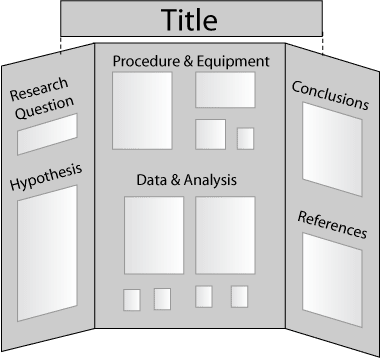
Poster board is a cornerstone of school science fairs, where students mount charts, graphs, and photos to explain their experiments in a clear, organized layout. It is also widely used in corporate environments for creating compelling sales presentations, data dashboards, and visual roadmaps that can be easily updated between meetings. Artists and illustrators rely on this material for sketching out storyboards, designing characters, or presenting concepts to clients in a tangible format that feels more approachable than digital mockups.


Beyond education and business, poster board plays a vital role in community and cultural events, such as neighborhood festivals, political campaigns, and art exhibitions. Event organizers use it to create signage, directional arrows, and thematic decorations that define the flow of a gathering. Because it can be cut, painted, and assembled with basic tools, it empowers individuals with limited resources to produce high-quality visuals that compete with professionally printed displays.
Educational Projects
In classrooms, poster board serves as a canvas for collaborative learning, where groups of students can work together to map out historical timelines, biological systems, or mathematical theories. Teachers appreciate its size, which allows entire classes to view the content from a distance without straining their eyes. The tactile nature of working on a physical board also helps kinesthetic learners engage with abstract concepts by drawing, labeling, and rearranging elements in real time.


Homework assignments and science projects often specify poster board as the required medium because it strikes a balance between durability and simplicity. Students can easily attach printed materials, photos, and hand-drawn illustrations, creating a hybrid display that combines research with creativity. This flexibility makes it a preferred choice for projects that need to communicate dense information in an accessible and visually organized way.
Marketing and Advertising
Retailers and small businesses frequently use poster board for in-store signage, window promotions, and temporary advertisements. Its low cost and quick turnaround mean that marketing teams can produce custom displays for seasonal campaigns, product launches, or clearance events without investing in expensive printing services. The material’s versatility allows for bold typography, bright logos, and striking visuals that draw attention from across a store or sidewalk.
Event planners also rely on poster board to create name tags, table numbers, and custom banners for weddings, conferences, and trade shows. Because it can be printed, painted, or covered with vinyl, it adapts to various branding requirements and aesthetic themes. When paired with mounting hardware like easels or stands, poster board becomes a complete solution for guiding guests and reinforcing brand identity in real-world settings.


Physical Characteristics and Types
Poster board is available in a variety of weights, colors, and finishes to suit different project needs. Standard poster board is relatively lightweight and suitable for indoor displays, while heavy-duty versions offer increased rigidity for larger presentations or outdoor use. The core structure usually consists of a fibrous sheet that resists tearing, with a slightly acidic or acid-free composition depending on whether the board is intended for short-term or archival-quality applications.
Manufacturers commonly produce poster board in solid colors, allowing creators to use contrast and layering to highlight important sections of their work. Some varieties feature a vellum or linen texture that adds visual interest and a premium feel to the final piece. Others come with a glossy or matte coating, which can affect how inks and paints adhere to the surface and how light reflects off the finished display.
Material Composition
Most poster board is made from a blend of wood pulp and recycled fibers, which are pressed into dense sheets and then bonded together. This composition gives the material its characteristic strength while keeping it lightweight enough to handle easily. The fibers are arranged to create a surface that accepts writing and printing without excessive bleed, ensuring that details remain sharp even when the board is viewed up close.


Because poster board is often designed for visual presentation, manufacturers pay close attention to brightness and color consistency. Higher brightness levels improve the vibrancy of printed images and painted designs, making colors appear more saturated and true to the artist’s intent. For projects that must last for months or years, acid-free and lignin-free options are available to prevent yellowing and deterioration over time.
Weight and Thickness
The weight of poster board is typically measured in pounds or grams per square meter, with heavier options providing greater stability for large formats. Thicker boards are less prone to bending under the weight of heavy decorations or photographs, and they stand more firmly on tabletops or easels. Choosing the right weight depends on the environment where the display will be placed and how long it needs to remain intact without support.
For temporary events, standard-weight poster board is often sufficient, as it can be assembled quickly and disposed of or recycled afterward. In contrast, long-term displays in museums or offices may require reinforced boards with additional coatings that protect against moisture, dust, and handling. Understanding these differences helps creators select a material that matches both their creative vision and practical needs.
Selecting the right poster board involves considering the display environment, the complexity of the project, and the desired longevity of the finished piece. By matching the weight, texture, and composition to the specific requirements of a project, creators can ensure that their visuals remain clear, stable, and engaging from start to finish. This thoughtful approach turns a simple sheet of material into a powerful tool for communication and expression.
Related Articles
What Is Poster Board Called: The Ultimate Guide to Names and Uses
When you walk into a classroom, an office, or a crafting corner, the familiar rectangular sheet on the easel or pinned to the wall usually makes an immediate...

What Kind of Salami Goes on a Charcuterie Board The Ultimate Guide
When it comes to creating a delightful charcuterie board, selecting the right salami is crucial. With a wide variety of salami types available, each offering...

The Ultimate Guide to the Color Order for Hanging Clothes: SEO Tips
When it comes to organizing your closet, the color order for hanging clothes is a tried-and-true method that not only makes your space look neater but also...

The Ultimate Cheese Board Cheese Guide What Type Of Cheese To Use
When curating a cheese board, selecting the right types of cheese is crucial for creating a well-rounded, delightful experience for your guests. With hundreds...

The Perfect Gifts to Pair with a Cheese Board: Ultimate Guide
When it comes to gifting, a cheese board is a delightful and thoughtful option that's sure to impress. It's not just about the cheese, though; it's the entire...

Best Meat and Cheese for Charcuterie Board Ultimate Guide
The art of creating a charcuterie board is a delightful blend of science and creativity. At its core, it's about selecting the right meats and cheeses that...