Warm Light vs Cool Light: See the Key Differences Side by Side
Imagine you're in a room, one with a warm, inviting glow, and another with a crisp, refreshing light. These aren't just two different rooms; they're two different worlds created by the simple difference between warm light and cool light. But what exactly is this difference, and how does it affect our perception and environment?
Light, in its essence, is a form of electromagnetic radiation, and its color, or temperature, is measured in Kelvin. This scale ranges from cool, blue lights to warm, red lights. Understanding this scale is key to grasping the difference between warm and cool light.
Warm Light
Warm light, as the name suggests, is associated with warmth and comfort. It falls within the range of 2700K to 3300K on the Kelvin scale, mimicking the color of incandescent bulbs and the sun at sunset.


Warm light is often used in residential settings to create a cozy, inviting atmosphere. It's perfect for living rooms, bedrooms, and dining areas. It can also enhance the appearance of skin tones, making it a popular choice in photography and videography.
Candlelight and Incandescent Bulbs
Candlelight and incandescent bulbs are classic examples of warm light sources. They emit a soft, amber glow that's comforting and familiar. This is because they produce light by heating a filament, which glows red-hot, emitting light in the warm end of the spectrum.


Incandescent bulbs are being phased out in many countries due to their energy inefficiency, but they're still beloved for their warm, inviting light. LED bulbs can now mimic this warm light, offering a more energy-efficient alternative.
Sunset and Sunrise
Nature also provides examples of warm light. The sun at sunset and sunrise emits a warm, orange-red glow. This is due to the Earth's atmosphere scattering the shorter blue wavelengths of light, leaving the longer, warmer wavelengths to reach our eyes.
This phenomenon is often referred to as the "golden hour" in photography, as it creates a soft, warm light that's perfect for portraits and landscapes.


Cool Light
Cool light, on the other hand, is associated with technology and modernity. It falls within the range of 5000K to 6500K on the Kelvin scale, mimicking the color of daylight.
Cool light is often used in commercial settings to create a bright, energetic atmosphere. It's perfect for offices, retail spaces, and classrooms. It can also make colors appear more vibrant and true to life.
Fluorescent and LED Bulbs
Fluorescent and LED bulbs are common examples of cool light sources. They emit a bright, white light that's ideal for task lighting. This is because they produce light by exciting electrons to emit photons, which can be manipulated to produce different colors of light.


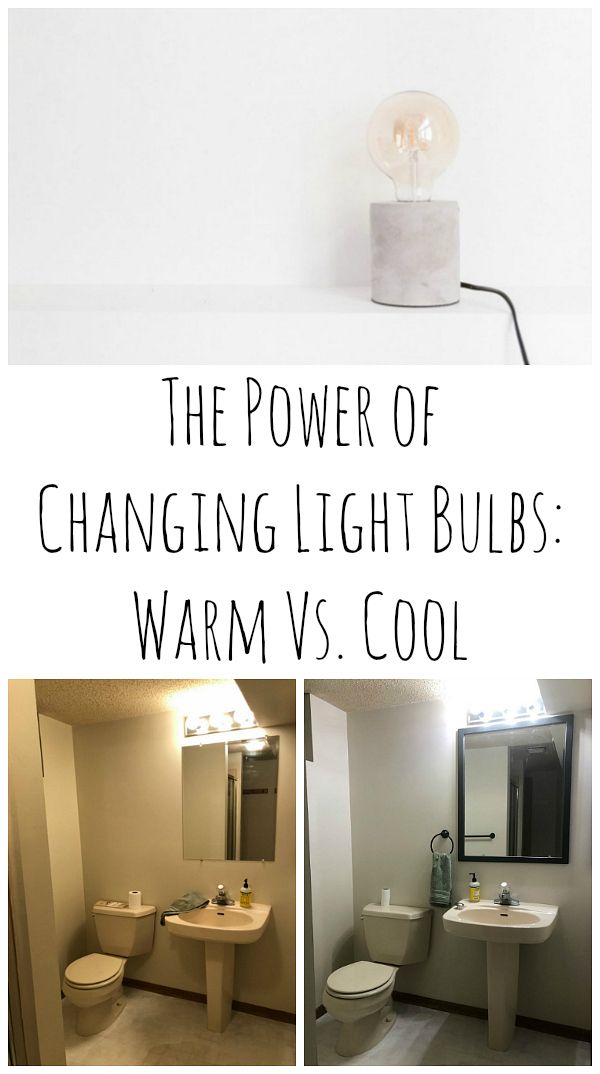


LED bulbs are particularly versatile, as they can be tuned to emit different colors of light, from cool to warm, depending on the application.
Daylight
Daylight is another example of cool light. On a clear day, the sun emits a bright, white light that's perfect for visibility and productivity. This is because the sun is high in the sky, and the Earth's atmosphere hasn't had a chance to scatter the shorter blue wavelengths of light.
Daylight is often used in architecture and design to create a bright, airy atmosphere. It's also used in lighting design to mimic the color of natural light.
In the end, the choice between warm and cool light depends on the atmosphere you want to create. Whether you're looking to create a cozy, inviting space or a bright, energetic one, understanding the difference between warm and cool light is key. So, the next time you're designing a space or choosing a light bulb, consider the temperature of the light, and let the light guide your design.
Related Articles

What Is The Difference Between Warm White And Cool White LED Lights Explained
When it comes to LED lights, the terms "warm white" and "cool white" often pop up, leaving many wondering about the difference between the two. Both are types...

What Is the Difference Between Cool White and Warm White Christmas Lights? A Complete Guide
When it comes to choosing the perfect Christmas lights, the decision often boils down to two popular options: cool white and warm white. Both offer a festive...

What Is The Difference Between Warm And Cool Lighting Explained SEO
Lighting shapes the way we experience a space, influencing mood, focus, and even how comfortable a room feels. When people talk about what is the difference...

Difference Between Cool White and Warm White LED Christmas Lights Explained
When it comes to choosing the perfect LED Christmas lights, the color temperature, measured in Kelvin (K), is a crucial factor to consider. Two popular choices...

Botanic vs Botanical Gardens: Discover the Key Differences Now
Many people use the terms botanic gardens and botanical gardens as if they were interchangeable, yet there is a nuanced distinction that matters for plant...

Wallpaper vs Mural: The Key Differences Explained SEO
Choosing the right wall treatment can transform a room, but understanding the difference between wallpaper and mural is essential for making an informed...