What Is Warm White in Light Bulbs: The Ultimate Guide
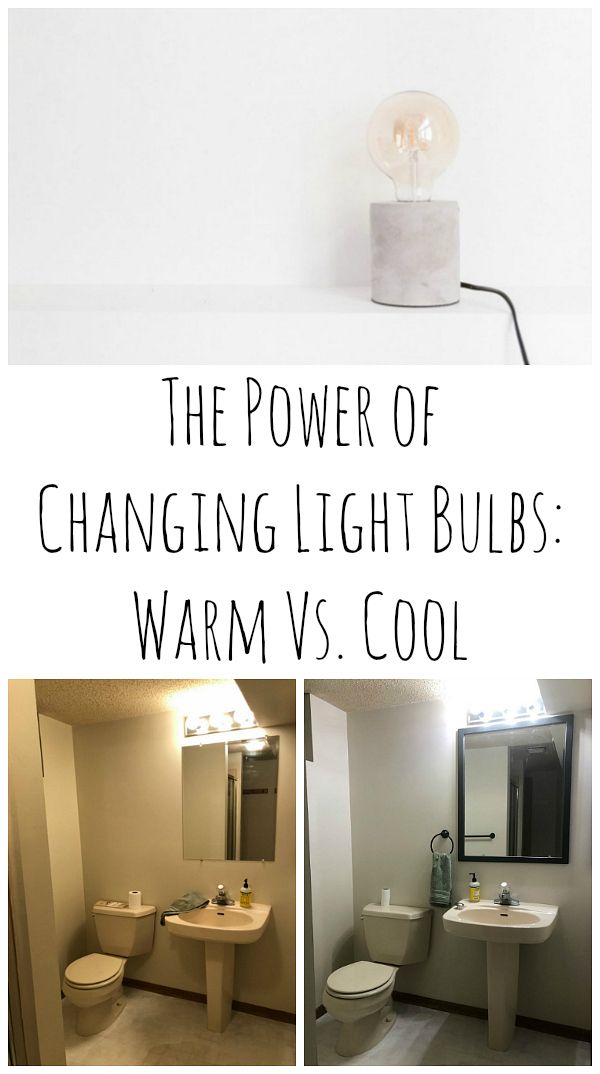
When you walk into a lighting store or browse online for a new bulb, the phrase warm white often appears on the packaging to describe a specific shade of light. Understanding what warm white in light bulbs actually means can help you transform the atmosphere of a room, making it feel more intimate, relaxing, or comfortable. This description refers to the visual color temperature of the light, which ranges from soft yellow to a slightly orange glow, rather than the cool, stark brightness of daylight. Many people choose this option for living spaces because it closely resembles the warm, gentle light produced by traditional incandescent bulbs that we grew up using.
The perception of warmth or coolness in light is measured in Kelvin, a technical scale that might sound complicated but is easy to grasp once you see the numbers. Bulbs labeled as warm white typically fall in the range of 2700K to 3000K on this scale, which sits on the lower end of the visible spectrum. In contrast, cool white bulbs might sit around 4000K, and daylight bulbs can climb above 5000K, creating a very different ambiance. By selecting a warm white temperature, you are essentially telling your eyes and brain that the environment is safe, cozy, and free from the harshness associated with high-lumen commercial settings.
How Color Temperature Shapes the Mood
Color temperature is one of the most powerful tools in interior design because it directly influences the emotional tone of a space. A warm white glow tends to soften the edges of a room, hide minor imperfections on walls, and create a buffer against the sterile feeling of bright white light. This is why so many bedrooms, dining rooms, and family areas rely on this specific description to establish a sense of intimacy. When the light is gentle and slightly yellow, people often feel more relaxed, which can encourage lingering conversations and a slower pace of life at home.


Beyond relaxation, the right temperature can also affect how we perceive the size and functionality of a space. In smaller rooms, a lower Kelvin rating can make the area feel more enclosed and safe, while in larger open-plan areas, it helps to define cozy zones for reading or socializing. Homeowners who understand warm white in light bulbs can strategically place these bulbs in areas where they want to create a sense of comfort or focus. This is distinct from task lighting, where a brighter, cooler tone might be necessary for activities like cooking or detailed work.
The Historical Context of Incandescent Warmth
Before the advent of modern LED and CFL technology, the standard household bulb was the incandescent filament bulb, which produced a naturally warm spectrum. This historical lighting source established our cultural expectation of what "home lighting" should look like, and it was a yellowish, cozy glow that required no additional explanation. When manufacturers began producing energy-efficient alternatives, they realized that consumers missed this familiar warmth, leading to the specific marketing term warm white. Choosing a bulb with this label is essentially a way to replicate the nostalgic feel of older technology while enjoying the benefits of new energy standards.


Another reason this term became so popular is its marketing versatility. Manufacturers recognized that describing a bulb as "warm" immediately conveyed a lifestyle benefit rather than just a technical specification. It suggests a return to simpler, more pleasant evenings spent at home, free from the clinical glare of office lighting. This emotional branding has made the category extremely popular for residential use, as consumers look for products that align with their desire for a peaceful sanctuary rather than a bright workspace.
Comparing Incandescent to Modern Alternatives
Traditional incandescent and halogen bulbs emitted a full spectrum of light that leaned heavily toward the red and yellow end, which is inherently warm. The challenge with these older technologies was their inefficiency, as they converted a lot of energy into heat rather than visible light. Modern warm white LEDs and CFLs manage to produce the same inviting color temperature without the excess heat or energy consumption, making them a practical upgrade. You can enjoy the same ambiance that your grandparents enjoyed in their living rooms, but with a significantly smaller impact on your electricity bill.
When comparing different brands, you might notice slight variations in how the color appears, even if they are all classified as warm white. Some might have a hint of pink, while others might lean more toward a golden yellow. Reading customer reviews or checking the spectral rendering index (CRI) can help you find the exact shade that matches your vision for a room. The goal is to ensure that the colors of your furniture, artwork, and decor look natural and appealing under the new lighting.


Choosing the Right Warm White for Your Home
Selecting the perfect warm white bulb involves more than just picking the package with the coziest label. You need to consider the specific function of the room and how the light will interact with the existing decor. For example, a living room designed for entertaining might benefit from a slightly warmer 2700K bulb to encourage relaxation, while a kitchen might perform better with a 3000K bulb that provides enough clarity for food preparation without losing its welcoming character. Understanding the subtle differences within the warm white range allows you to fine-tune the atmosphere of every distinct area in your home.
Another crucial factor is the fixture type and the materials used in your space. Frosted glass shades diffuse the light and enhance the soft quality of warm white, while clear bulbs can create a more focused and intense pool of light. Similarly, warm tones can interact differently with paint colors; they can make cool blues feel richer and make warm reds feel even more vibrant. Before making a final purchase, it is helpful to test the bulb in the actual fixture or to use a temporary lamp to see how the light transforms the environment.
Dimming and Compatibility Features
Many modern warm white LED bulbs are designed to be dimmable, which adds another layer of control over the ambiance of your room. Being able to lower the intensity of the light allows you to shift the mood from a bright social setting to a quiet, cinematic environment with a simple turn of a dial. When shopping for these bulbs, ensure that they are compatible with your existing dimmer switches to avoid flickering or a reduced lifespan of the unit. Checking the packaging for "dimmable" labels ensures that your investment in warm lighting remains flexible and functional.


Compatibility extends to the base of the bulb as well, with E26 and E27 sockets being the most common in residential settings in North America and Europe. It is also wise to consider the shape of the bulb, whether it is an A-series bulb for a classic look or a globe for a more modern aesthetic, as the distribution of the warm white glow can vary. By paying attention to these details, you ensure that the technical specifications support the visual warmth you are trying to achieve, creating a seamless integration into your home infrastructure.
Energy Efficiency and Long-Term Value
One of the most significant advantages of choosing modern warm white LEDs is their energy efficiency compared to traditional incandescent options. These bulbs use a fraction of the electricity to produce the same amount of visible light, which translates directly into lower utility bills over time. Additionally, the lifespan of an LED can last for decades, reducing the frequency of replacements and the associated maintenance costs. This makes the initial price point of an LED warm white bulb a smart long-term investment rather than a simple replacement for an incandescent.
From an environmental perspective, the shift to efficient warm white lighting reduces the carbon footprint associated with energy generation. Less energy consumed means fewer resources used and fewer emissions generated, which is a benefit for both the planet and your household budget. As technology continues to improve, the color quality of these efficient bulbs only gets better, closing the gap between sustainability and aesthetic appeal.
Choosing the right lighting is a subtle yet impactful way to refine the personality of your home, and understanding what warm white in light bulbs offers is the first step toward that transformation. By balancing technical specifications like Kelvin with your personal taste and the specific needs of each room, you can create an environment that feels both welcoming and functional. Taking the time to explore the options ensures that the light you bring into your space truly supports the way you want to live.
Related Articles
What Temperature is Warm White Light Bulbs Brightness Guide
When discussing lighting, the term "warm white" often comes up, but what exactly does it mean? In the world of lighting, color temperature is measured in...
What Are Warm Light Bulbs: The Ultimate Guide to Cozy Lighting
Imagine you're relaxing in your living room, the sun has set, and you're enjoying the soft, warm glow of your light bulbs. These aren't just any light bulbs...

What Are Warm Light Bulbs Called: The Ultimate Guide To Cozy Lighting
When it comes to lighting up your home or workspace, the type of light bulb you choose can significantly impact the ambiance and atmosphere. One popular choice...
What Temperature Is Warm White LED Light Bulbs Explained
When it comes to LED lighting, the term "warm white" often leaves people wondering: what exactly does that mean in terms of temperature? In the world of...

Warm White Light Rating Guide Best Bulbs Leds 2024
In the realm of lighting, the term "warm white light" is a familiar one, often used to describe a cozy, inviting atmosphere. But what exactly does this rating...
What Temp is Warm White Light Bulbs LED Temperature Chart
Ever wondered what "warm white" means in terms of temperature? You're not alone. In the world of lighting, understanding the temperature scale, measured in...