What K Is Warm White Light Understanding The Color Temperature Guide
When someone asks what k is warm white light, they are usually trying to understand how to describe the color temperature of their indoor environment in a precise way. In simple terms, this question is about how we label the visual warmth or coolness of light, ranging from soft yellows to clean daylight whites. The letter k stands for Kelvin, which is the scientific unit used to measure the temperature of light, even though it does not refer to heat in the way you might think. Most discussions about comfort and atmosphere in homes and offices center on this scale because it tells you whether a space will feel cozy, focused, or clinical.
Warm white light sits on one end of the spectrum, generally between 2000 and 3000 Kelvin on the Kelvin scale. As the number gets lower, the light appears more yellow and gentle, while a higher number pushes the color toward crisp blue tones. This scale is universal, meaning a 2700K bulb in Tokyo will look the same as a 2700K bulb in New York. Understanding how the numbers correlate to the experience in a room is the key to choosing lighting that supports both mood and function.
How Color Temperature Shapes Your Space
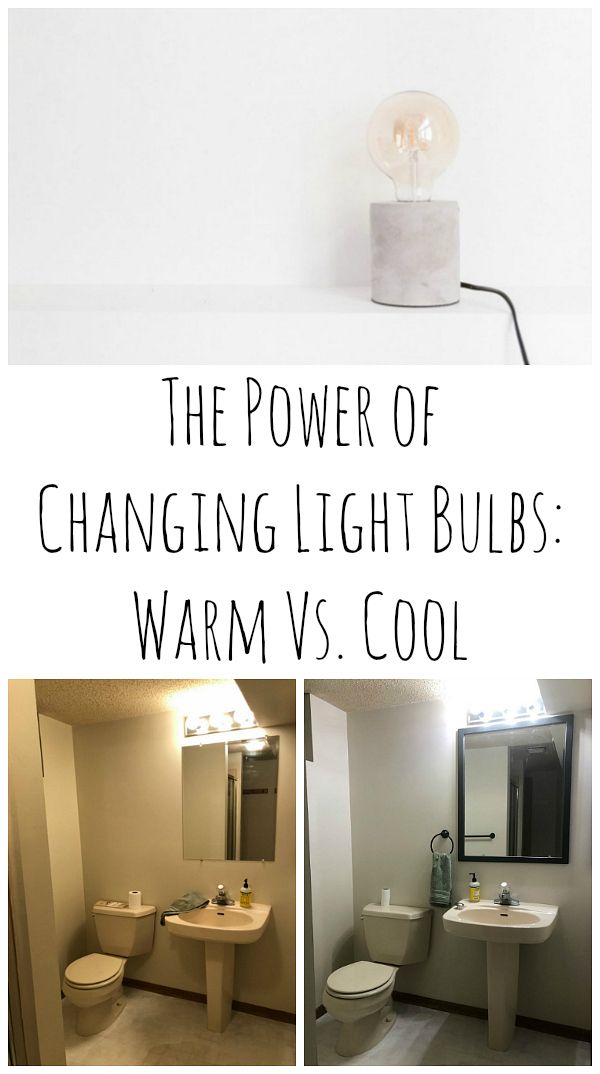
Color temperature is not just a technical specification; it is a design tool that defines how colors, materials, and textures appear under a specific light source. Choosing the right range can make a room feel inviting or energizing, depending on your goals. Because the question what k is warm white light is so common, it helps to break down the specific ranges that create distinct atmospheres.


At the lower end of the scale, between 2000K and 2400K, you find the softest glows that resemble candlelight or vintage incandescent bulbs. Moving up slightly to 2700K and 3000K, you get the classic definition of warm white, which is still yellowish but clear enough for detailed tasks. This section explores how these temperatures function in different contexts.
Sub-topic A: The Psychology of Warm Tones
Light in the 2700K to 3000K range triggers a physiological response that encourages relaxation and reduces stress. This is why many people instinctively prefer this kind of lighting for bedrooms and living rooms, as it mimics the natural light at sunset. The brain associates this yellowish tint with safety and downtime, which slows the heart rate and prepares the body for rest.


In practical terms, this means that when you are learning what k is warm white light for a hallway or a bedroom, you are looking at values that sit between 2700K and 3000K. This range enhances reds and yellows in decor, making wooden furniture and textiles appear richer. It creates a cocooning effect that is difficult to achieve with neutral or cold white bulbs.
Sub-topic B: Application in Residential Design
Homeowners often use warm white lighting in social areas where conversation is the priority. For example, a dining room with 2700K fixtures will make food look more appetizing and bring people together. Similarly, warm tones in the living room reduce the harshness of shadows, creating a soft environment for evening activities.
Bedrooms benefit from this temperature range because it does not overstimulate the senses right before sleep. Unlike cooler lights that can suppress melatonin, warm white helps maintain a natural circadian rhythm. Choosing the correct k value here is less about visibility and more about crafting a sanctuary.


Technical Considerations and Compatibility
Once you understand what k is warm white light in theory, you must consider how it interacts with your fixtures and existing architecture. Not all bulbs work with all dimmers, and the materials used in your lamps can change how the color is rendered. This technical layer ensures that the beautiful warmth you envision actually translates into your space.
LED technology has made it possible to mimic warm tones with high efficiency, but the quality of the light depends on the phosphor coating and the driver quality. A poorly made 2700K bulb might flicker or appear dull, while a high-quality one will render colors smoothly. This is why checking the Color Rendering Index (CRI) is just as important as checking the Kelvin rating.
Sub-topic C: Fixture and Material Interaction
Metals and finishes react differently to warm white light. Brass and bronze will glow warmly, enhancing the richness of the metal, while chrome and polished nickel might appear duller if the CRI is low. Understanding this helps you avoid surprises when the lights are turned on.




Fabrics also play a role; creamy whites and beiges will look brighter under warm light, while deep blues and grays will retain their saturation but appear less stark. This interaction is why designers often recommend bringing material samples home before committing to a specific k value for your fixtures.
Sub-topic D: Compatibility with Smart Systems
Modern smart homes allow you to adjust the temperature of your lights through an app. If you are using a smart bulb, ensure it supports the 2000K to 3000K range if you want true warm white functionality. Some budget models skip the lower Kelvin ranges, which limits the ambiance you can create.
Integration with voice assistants adds another layer of convenience. Being able to say “Hey Google, set the living room to warm white” relies on the bulb recognizing the specific k values you prefer. This seamless control makes it easier to transition from a bright workspace to a cozy lounge without changing the switch.
Selecting the right lighting is an investment in how you feel in your space every day. By taking the time to grasp what k is warm white light means numerically and visually, you gain the power to adjust the energy of any room with a simple twist of a dial or a tap on a screen. This knowledge turns lighting from a utility into an expressive design element that reflects your personal taste.
As you plan your next renovation or simple bulb replacement, keep these ranges and interactions in mind to ensure the atmosphere matches your intentions. Exploring the subtle differences between fixtures and technologies will reward you with an environment that feels exactly how you want it to, every single day.
Related Articles
What Is Warm White Light: Brightness And Color Temperature Explained
Imagine you're in a cozy room, the sun is setting, and the warm glow of the setting sun is casting a soft, inviting light. That, my friend, is what we mean by...
What Temperature Is Warm White Light LED Bulb Guide
Ever wondered why some light bulbs are labeled as "warm white" while others are simply "white"? The difference lies in the color temperature, a crucial aspect...

From Dim to Warm: The Ultimate Guide to LED Color Temperature Shifting
Dim to warm LED lighting represents a sophisticated evolution in modern illumination that allows the brightness of your lights to gradually shift from a soft...
What Temperature Is Warm White LED Light Bulbs Explained
When it comes to LED lighting, the term "warm white" often leaves people wondering: what exactly does that mean in terms of temperature? In the world of...

What Color Temperature Is Warm Lighting SEO Guide
Imagine stepping into a cozy café on a crisp autumn afternoon. The warm, inviting ambiance envelops you, and you instantly feel at ease. This comforting...
When To Use Warm Or Cool Light: The Ultimate Guide To Choosing The Right Color Temperature
Lighting plays a pivotal role in setting the ambiance and mood of any space. Two primary types of light are often used in lighting design: warm and cool. But...