Optimize Your Outdoor Space: What Size Pergola Rafters for Maximum Support
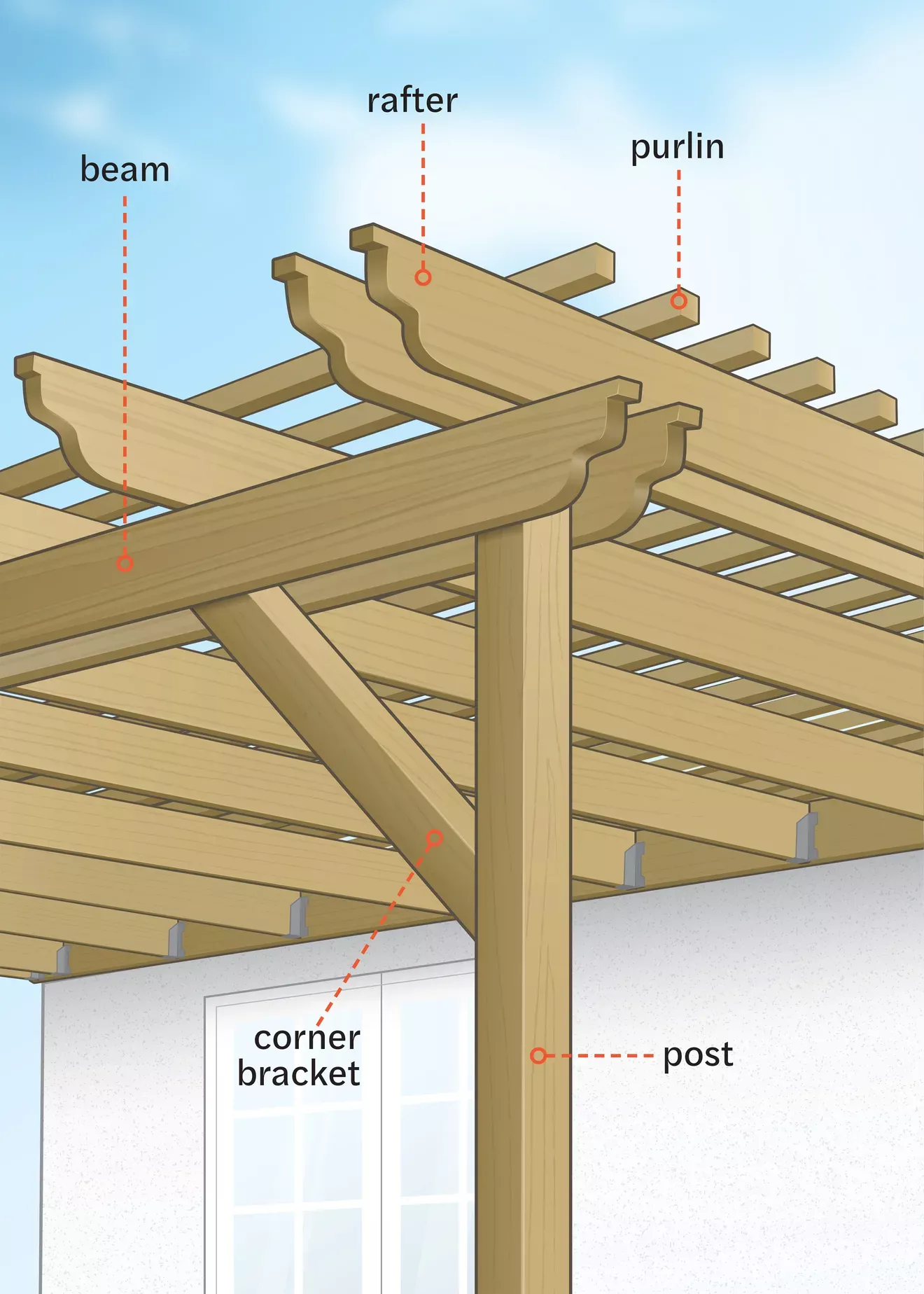
Choosing the right size pergola rafters is one of the most critical decisions you will make during the design and construction of an outdoor structure.
These horizontal members run across the top and they bear the primary load of the roofing system, so getting the dimensions correct is essential for both safety and aesthetics.
Understanding Load and Span Requirements
The first step in determining size is to evaluate how much weight the rafters need to support, which includes the roofing material, snow, and any planned accessories.


The distance the rafters must travel, known as the span, dictates how thick and strong they must be to resist sagging or bending over time.
Live Load vs Dead Load
Live load refers to temporary forces such as people, furniture, or shifting snow, while dead load is the constant weight of the roof deck and shingles.


Calculating these forces helps ensure the rafters can handle stress without compromising the structural integrity of your outdoor living space.
Spacing and Support Strategy
Rafters that are spaced farther apart will require thicker dimensions to prevent flexing, whereas closer spacing allows for the use of smaller, more manageable sizes.
Adding intermediate supports or beams can reduce the span requirements and give you more flexibility with the visual openness of the design.




Common Material Dimensions and Standards
Lumber is the most popular choice for traditional pergolas, and dimensional sizes like two by six or two by eight are widely available and easy to work with.
Engineered products such as laminated veneer lumber (LVL) allow for longer clear spans without the visual bulk of solid wood, making them ideal for modern designs.
Wood Species and Grading
Durable hardwoods like cedar and pressure-treated pine are commonly selected because they resist rot and insect damage in outdoor environments.


Structural grades ensure the rafters have the necessary strength, so look for pieces rated for construction rather than cosmetic appearance alone.
Metal and Composite Options
Steel rafters offer exceptional strength-to-weight ratios and are often used in contemporary structures where slim profiles are desired.
Composite materials mimic the look of wood while providing consistent performance and minimal maintenance, which appeals to many homeowners.
Aesthetic Harmony and Proportions
The visual scale of the rafters should match the size of the pergola and the surrounding architecture to create a balanced and pleasing look.
Thicker members can make a strong statement, while narrower options keep the focus on the greenery or decorative roof elements above.
Pattern and Orientation Details
Adjusting the depth of the rafters can change the rhythm of shadows and lines across the patio or deck below.
Orientation matters as well, since running the long dimension of the rafters perpendicular to the seating area often optimizes both shade and sightlines.
Integration with Roofing Systems
If you plan to add adjustable louvers or a retractable cover, the rafter size must provide enough attachment surface for the mounting hardware.
Coordinating the rafter depth with the pitch of the roof ensures water flows properly and prevents pooling that could lead to damage.
Local Building Codes and Safety Factors
Every municipality has specific requirements for outdoor structures, so checking the zoning and building regulations is a non-negotiable step.
These codes often specify minimum rafter dimensions, maximum spans, and fastening methods based on climate and wind conditions.
Permitting and Professional Guidance
Securing a permit can feel like an administrative hurdle, but it exists to protect you, your neighbors, and the value of your property.
Consulting a structural engineer or experienced contractor helps verify that your chosen sizes meet safety standards and real-world stresses.
Long-Term Durability Considerations
Material movement due to temperature and moisture changes means selecting rafters with some capacity to flex without cracking or splitting.
Choosing sizes that exceed the minimum code requirements can add years of service and reduce the need for future repairs or replacements.
Taking the time to analyze your specific site conditions, design preferences, and regulatory landscape will guide you toward the perfect rafter dimensions for years of enjoyable outdoor living.
Related Articles
Standard Pergola Size Guide Perfect Dimensions for Your Outdoor Space
Choosing the right standard pergola size is one of the most important decisions you will make when planning an outdoor structure, as it dictates how the space...
What Size Are Pergola Rfters: Sizing Guide For Durable Outdoor Structures
Choosing the right dimensions for pergola rafters is one of the most practical decisions you will make during an outdoor build, because these horizontal...

Transform Your Outdoor Space: 20 Inspiring Garden Patio with Pergola Ideas
Transforming your outdoor space into a true extension of your home starts with a well designed garden patio with pergola, creating a welcoming sanctuary for...

What Size Should Pergola Posts Be Sizing Guide For Durable Outdoor Structures
Choosing the right size for pergola posts is one of the most critical decisions you will make during the planning phase of your outdoor structure, as these...

Indianapolis Pergola Ideas: Transform Your Outdoor Space
Nestled in the heart of the Midwest, Indianapolis offers a unique blend of urban charm and outdoor living, with its expansive parks and vibrant neighborhoods...

Revitalize Your Outdoor Space: How to Paint a Metal Pergola
Many homeowners and garden enthusiasts wonder whether you can paint a metal pergola to refresh its look and protect it from the elements. A metal pergola can...