What Size Post for a Pergola? Find the Perfect Fit Here
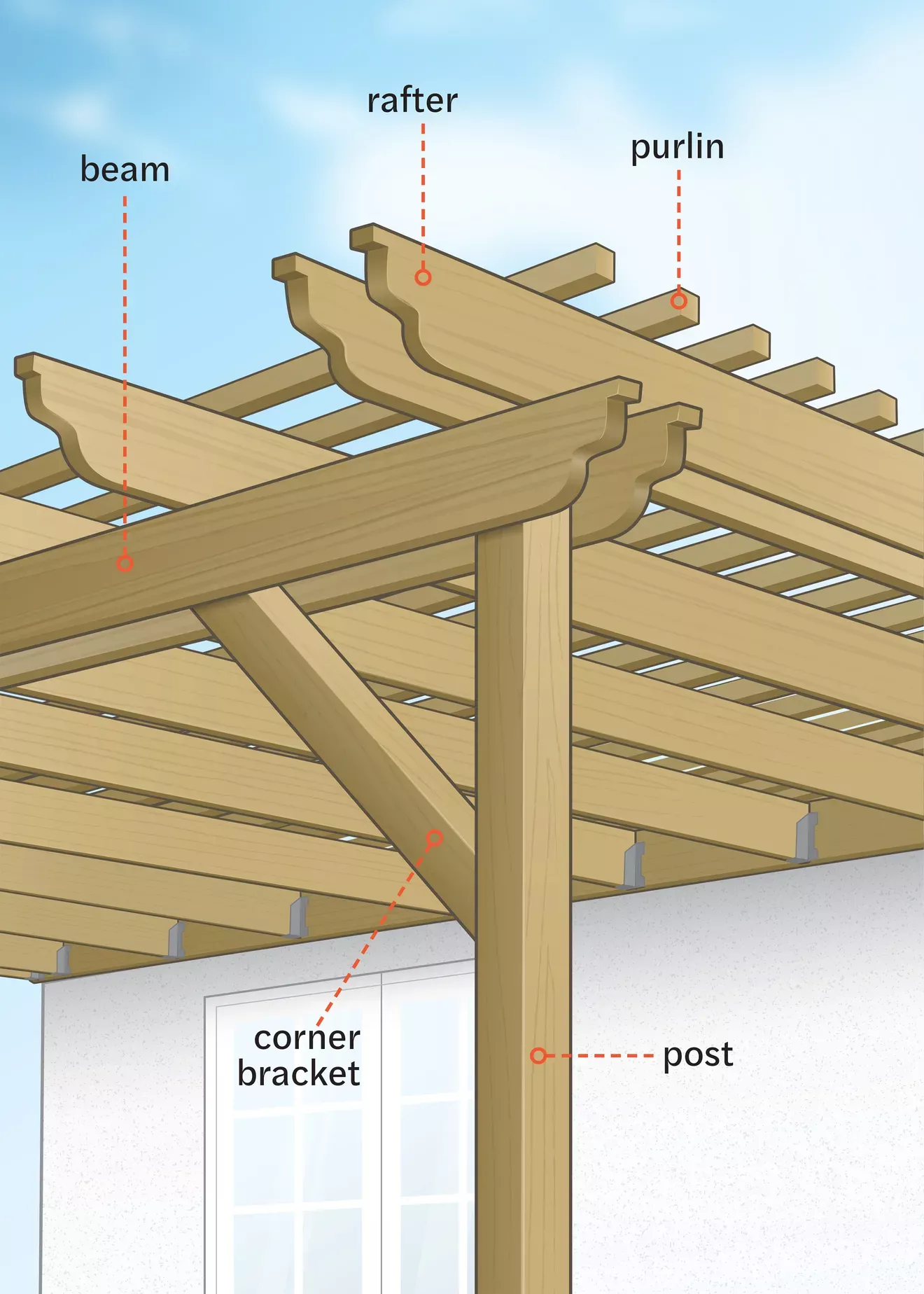
Choosing the right size post for a pergola is the single most critical structural decision you will make, as it determines how much weight the framework can safely support. Many homeowners focus primarily on the aesthetic of the design, overlooking the engineering realities that keep the structure standing safely through high winds and heavy snow. A post that is too slender will bend or sway excessively, creating a feeling of instability and potentially leading to premature failure. Understanding the load requirements and material choices will guide you toward a post dimension that provides both long-term durability and visual appeal.
The standard starting point for most residential applications is a 4 by 4 post, which offers a solid balance between strength and cost for smaller structures. However, as the span between posts increases or the total height of the pergola grows, this size may no longer be adequate to resist bending forces. Builders often recommend upgrading to a 6 by 6 post for larger areas or for locations where the structure must support additional weight, such as climbing plants or outdoor lighting. Selecting the correct size post for a pergola ensures that the assembly remains rigid, level, and secure throughout the seasons.
Understanding Load and Span Requirements
The load a pergola post must bear is not just the vertical weight of the beams and roof, but also lateral forces from wind and the leverage created by overhangs. Longer spans between posts create a lever arm that increases stress on the center of the post, making it more likely to deflect under pressure. Engineers calculate these forces to determine the appropriate size post for a pergola, ensuring that the deflection stays within safe limits. Ignoring these calculations can result to sagging or, in extreme cases, structural collapse.


Local building codes play a vital role in defining the minimum requirements for pergola construction. These codes specify factors such as frost depth, wind ratings, and snow loads based on your geographic location. To meet these regulations, your post size and burial depth must be verified by a professional or at least checked against the municipal standards. Properly addressing load and span from the start prevents the need for costly modifications after the structure is already built.
Span Between Posts
The distance between posts directly influences the size post you will need to maintain rigidity. For standard applications with six-foot centers, a 4 by 4 post is often sufficient to support a basic timber roof. When you extend the spacing to eight feet or more, the beam has more freedom to flex, which requires a larger 6 by 6 post to maintain the same level of stability. Choosing the right size post for a pergola based on span prevents excessive movement that could loosen connections over time.


Visual sagging is a clear indicator that your current setup is underperforming, but by then the structural integrity may already be compromised. Builders often use intermediate supports or cross bracing to reduce the effective span and allow for the use of smaller posts. Planning your layout carefully in the design phase helps you avoid the need for intrusive support columns later on. Matching the post size to the span is essential for achieving a clean, open look without sacrificing safety.
Height and Wind Forces
Taller pergolas catch more wind, acting like a sail and creating significant uplift force on the horizontal beams. A taller structure requires deeper posts, such as a 6 by 6 or even a 8 by 8, to resist this lateral pressure and prevent the top from swaying dangerously. The height also affects the leverage on the base, which is why proper burial depth or a substantial concrete footing is just as important as the above-ground dimensions. Selecting the correct size post for a pergola that accounts for height ensures the structure remains grounded during storms.
In regions prone to high winds or hurricanes, building codes often mandate specific engineering reviews for tall outdoor structures. A professional can help you determine if a standard post size is sufficient or if bracing and specialized fasteners are necessary. Considering the height early in the planning process allows you to integrate the required reinforcement seamlessly into the design. This proactive approach protects both the people using the space and the longevity of the pergola itself.


Material Choices and Practical Sizing
The material you select for your posts will influence the size required for structural integrity. Pressure-treated lumber is a common and cost-effective option, typically available in the 4 by 4 and 6 by 6 sizes that are standard in construction. Steel posts offer a slimmer profile with high strength, allowing for smaller exterior dimensions while still supporting heavy loads. When comparing materials, you must consider not only the size post for a pergola but also the maintenance requirements and long-term durability.
For a more natural appearance, many builders recommend using solid wood posts rather than steel tubes, as they provide better nailing surfaces for attachments. Cedar and redwood are popular choices due to their inherent resistance to rot, though they are generally more expensive than pressure-treated pine. Regardless of the material, ensuring that the post is perfectly plumb during installation is critical for the overall stability of the frame. Taking the time to level and secure the post correctly will prevent twisting and ensure the beams sit evenly.
Concrete Footings and Setting
Setting the posts correctly is just as important as selecting the right size post for a pergola, and this starts with the concrete footing. A standard practice is to bury approximately one third of the post’s total length to provide resistance against uplift and movement. The hole should be wide enough to allow for several inches of gravel drainage below the post, which prevents water from pooling around the wood. Pouring concrete around the post while it is level creates a solid anchor that distributes the weight of the structure evenly into the ground.


Using a post base anchor can simplify the process and provide a clean transition between the buried portion and the visible frame. These metal brackets are set into the concrete and allow for easy adjustment of the post before the concrete cures. Proper setting protects the base of the post from direct contact with soil, which is a common cause of rot and decay. Investing time in a quality installation ensures that even the largest post sizes perform as intended for many years.
Decorative Considerations and Illusion
While structural requirements dictate the core size post for a pergola, you can use design tricks to make the posts appear more slender if desired. Decorative cladding or thin stone veneers can wrap a 6 by 6 post, giving it the visual lightness of a smaller timber without compromising strength. Alternatively, positioning the posts behind the plane of the beams can create an illusion of slenderness from key viewing angles. The goal is to align the aesthetic vision with the necessary load-bearing capacity.
Some homeowners choose to emphasize the structural elements as a feature of the design, celebrating the robust look of heavy timber. In these cases, the larger size post becomes a statement of solidity and craftsmanship rather than a concealed necessity. Balancing the visual weight of the posts with the openness of the roof structure is key to a successful pergola design. Getting this balance right results in an inviting space that feels both sturdy and airy.
Taking the time to plan the dimensions of your support structure will save you from frustration and ensure your pergola remains a beautiful and functional part of your outdoor living area for years to come. Careful attention to the specific conditions of your site allows you to choose confidently, resulting in a finished project that enhances your home and lifestyle for a long time.
Related Articles

What Size Wood for a Pergola? Find the Perfect Dimensions Here
Choosing the correct lumber for your outdoor structure is the most important decision you will make before the first board is lifted, especially when you are...

What Size Tarp Covers a 10x10 Canopy? Find the Perfect Fit
If you are planning an outdoor event or a backyard gathering, you likely own or are considering renting a 10x10 canopy, which provides a perfect shade solution...

What Is the Size of a Standard Desk? Find the Perfect Fit
Choosing the right workspace begins with understanding what is the size of a standard desk, because this dimension shapes comfort, productivity, and how you...

What Is the Average Size of a Futon Bed? Find Futon Dimensions Here
Ever found yourself wondering about the perfect bed size for your space, comfort, and style? One option that often comes up is the futon bed, a versatile and...

The Best Planter for Herbs: Find Your Perfect Match Here
Selecting the best planter for herbs is a decision that shapes how your kitchen garden grows, influencing everything from daily convenience to long term plant...
What Size Should Pergola Posts Be Sizing Guide For Durable Outdoor Structures
Choosing the right size for pergola posts is one of the most critical decisions you will make during the planning phase of your outdoor structure, as these...