What Size Posts for a Pergola? Perfect Dimensions Guide
Choosing the right size posts for a pergola is one of the most important decisions you will make during the planning phase, as it directly impacts the structure’s durability, appearance, and long term stability. Many homeowners focus primarily on the design and style, only to discover later that their posts are too thin for the span and load they need to support. This guide will walk you through the key factors that determine the correct post dimensions, helping you avoid common pitfalls and build with confidence.
Beyond just looks, the size of your posts is a structural element that affects how your pergola handles weight from roofing, snow, climbing plants, and even people hanging on the latticework. Understanding how these forces travel through the frame will help you select dimensions that keep the construction safe and prevent unnecessary sagging over time. Taking the time to get this right in the planning stage saves you from costly repairs or replacements down the road.
Understanding the Forces on Your Pergola
Before diving into specific measurements, it helps to understand the different forces that your pergola posts must resist, including vertical loads from the roof and horizontal pressures from wind or shifting structures. A poorly sized post can bend, twist, or even fail at the base if these forces are underestimated, particularly in larger installations where the roof spans a significant distance. Proper engineering starts with recognizing how weight and stress move through the frame.


Another critical factor is the height of your pergola and the attachment point of the rafters, since taller posts act like longer levers and are more prone to deflection under load. The material you choose, whether wood or metal, also interacts with the post size, affecting how much support is required. Evaluating these elements early helps you determine the appropriate size posts for a pergola that matches both your vision and your site conditions.
Span and Spacing of the Pergola
The distance between your supporting beams, often called the span, plays a major role in defining the minimum post size for a pergola. Longer spans place more bending stress on the posts, which means you will generally need thicker posts or additional bracing to maintain rigidity. Shorter spans allow for slightly smaller dimensions, but other factors like roof weight still need to be considered.


Spacing between posts is equally important, since wide gaps transfer more load to each individual post. If you are planning a large pergola with few supports, you should size the posts as if they were part of a small beam or column, using engineering tables or professional guidance. Matching your post size to the span and layout ensures that the structure remains straight and true, even under heavy roofing materials.
Wind and Climate Considerations
In regions with strong winds, heavy snow, or seasonal storms, the size of your pergola posts must account for lateral forces that could push or pull the structure. A larger post provides more resistance against wind uplift and helps anchor the pergola firmly to the ground. Neglecting this can lead to shifting, cracking sounds, or even partial collapse in severe weather.
Climate also affects the material expansion and contraction, especially in wooden constructions where moisture can cause swelling or shrinkage over time. Selecting posts with sufficient size and using treated or sealed materials can reduce warping and increase longevity. Designing for local weather patterns protects your investment and keeps the pergola looking solid season after season.


Common Pergola Post Sizes and Materials
For traditional wooden pergolas, common post sizes typically range from four by four inches to six by six inches, depending on the desired aesthetic and load requirements. Metal posts, such as those made from steel or aluminum, offer slimmer profiles while still delivering high strength, which is ideal for modern designs or tight spaces. Knowing the tradeoffs between these materials helps you balance appearance with structural performance.
The right size also depends on whether the posts are set into concrete footings or attached to a deck or patio surface, since each installation method introduces different stress patterns. Deeper footings and larger post bases enhance stability, particularly for taller structures. Reviewing standard dimensions and comparing them to your specific project needs is a practical way to narrow down your options.
Standard Wooden Post Dimensions
Many homeowners start with a four by four or six by six post when building a wooden pergola, as these sizes are readily available and fit well with classic design schemes. A four by four post is generally suitable for smaller pergolas with short spans and lighter roofing, while a six by six post offers extra strength for larger installations.


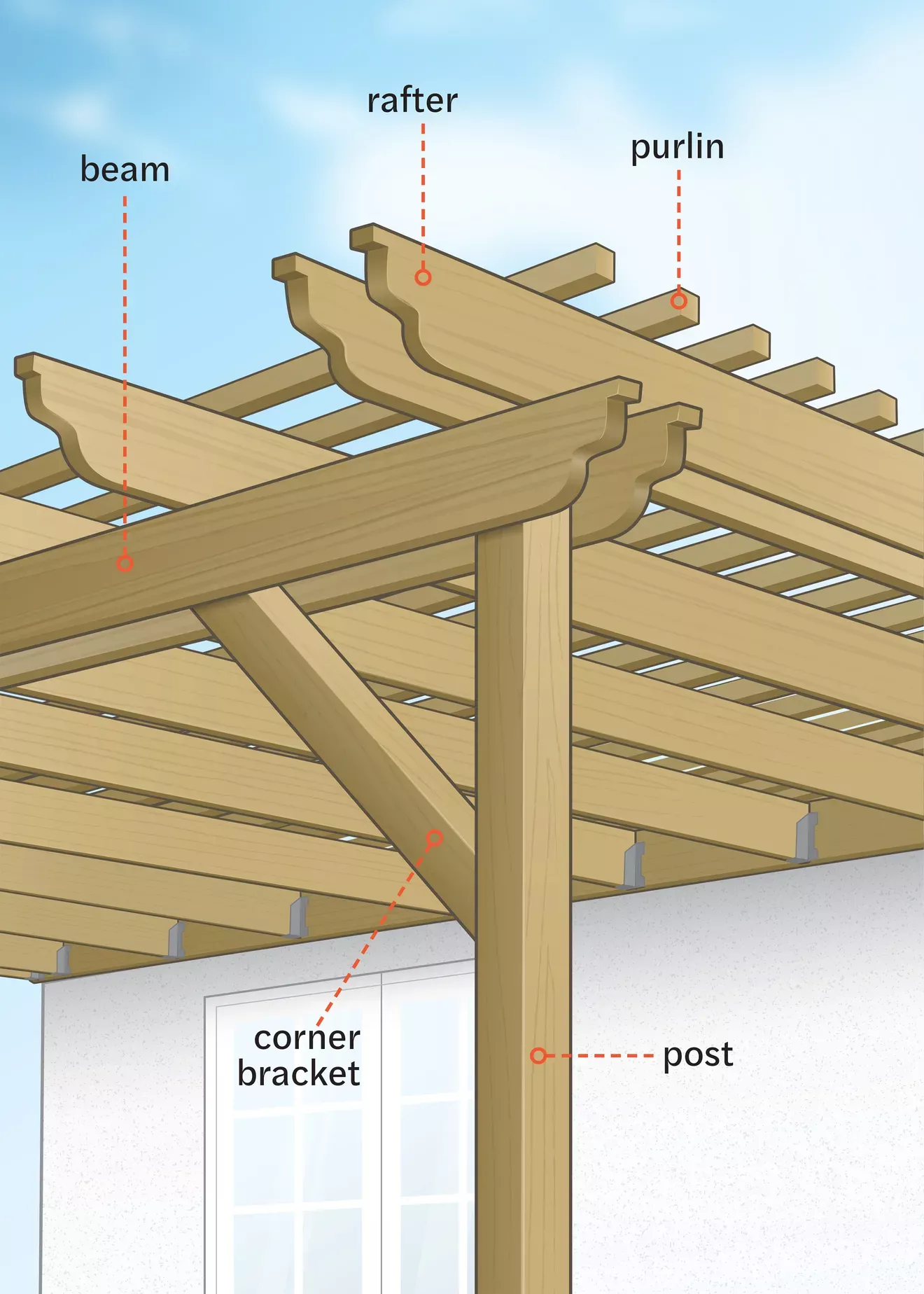

Wood species, such as cedar, pressure treated pine, or hardwood, also influence how much load a post can safely carry, since some woods are naturally more resistant to decay and insect damage. Choosing the right combination of size and material ensures that your pergola remains sturdy, attractive, and low maintenance over the years.
Metal and Composite Post Options
Metal posts, including tubular steel and aluminum options, provide a high strength to size ratio, allowing for slimmer columns that still support heavy rafters and roofing. These posts are often used in contemporary pergola designs where a minimalist look is desired, and they can be powder coated or treated to resist rust and corrosion.
Composite materials, which blend wood fibers with recycled plastics, offer an ecofriendly alternative that resists weathering and eliminates the need for regular staining. When selecting metal or composite posts, check manufacturer specifications for load ratings to confirm that the chosen size will comfortably handle the forces in your particular setup.
Design Tips for Achieving the Right Post Size
Balancing aesthetics with engineering is key when deciding on pergola post dimensions, since the right size can enhance both the visual impact and the structural integrity of your outdoor space. A slightly larger post may be necessary if you plan to attach lighting, fans, or intricate lattice work, as these additions increase the overall load on the frame.
Working with a contractor or using online calculators based on your specific measurements can help you confirm that your chosen post size is adequate. You might also consider decorative elements, such as thicker posts with integrated planters or tapered designs, which add character while maintaining strength.
Integrating Post Size With Overall Pergola Design
Your pergola style, whether traditional, modern, or rustic, plays a role in how noticeable the posts will be and how much visual weight they should carry. Slim posts create an airy, open feel, while bulkier posts convey a more grounded, substantial appearance that some homeowners prefer for larger structures.
Coordinating post size with other components, such as beams, rafters, and braces, ensures a cohesive look and prevents situations where the posts appear undersized compared to the rest of the frame. Thoughtful planning at this stage helps you achieve a balanced design that feels both beautiful and well engineered.
Planning for Future Modifications
If you anticipate adding features like retractable covers, hanging planters, or outdoor kitchens in the future, it is wise to size your posts with these upgrades in mind. Extra capacity today can make later modifications safer and more straightforward, without the need to reinforce or replace support columns.
Leaving room for adjustments also applies to spacing and layout, since a slightly more robust post system can offer flexibility for changing your pergola’s function over time. Thinking ahead allows your outdoor structure to grow with your lifestyle and design preferences.
Evaluating the correct post size for your pergola involves a careful mix of structural calculations, material selection, and long term design goals, ensuring that your finished project is as dependable as it is beautiful. By considering span, load, climate, and future needs, you lay the foundation for an outdoor space that performs well and looks great for years to come. Taking the time to plan now will give you the confidence to enjoy your pergola with peace of mind.
Related Articles
What Size Should Pergola Posts Be Sizing Guide For Durable Outdoor Structures
Choosing the right size for pergola posts is one of the most critical decisions you will make during the planning phase of your outdoor structure, as these...

What Size Should a Garden Be: The Ultimate Guide to Perfect Garden Dimensions
When it comes to gardening, one of the first questions that often arises is, "What size should my garden be?" The answer to this question can vary greatly...
Standard Pergola Size Guide Perfect Dimensions for Your Outdoor Space
Choosing the right standard pergola size is one of the most important decisions you will make when planning an outdoor structure, as it dictates how the space...

What Are the Dimensions of a Nesting Box for Chickens: Ultimate Size Guide
Raising backyard chickens means paying close attention to the small details that impact their daily comfort, and the dimensions of a nesting box sit at the...

What Size Mirror for Entryway: Perfect Dimensions for Your Space
Choosing the right size mirror for entryway sets the tone for the entire home, acting as the first visual statement guests and family members encounter. A...

What Size Round Rug for Entryway? Perfect Fit Guide
Choosing the right size round rug for entryway is often the simplest way to make a powerful first impression the moment someone walks through your door. An...