Transform Your Steep Backyard Hill into a Stunning Oasis
Transforming a steep hill in your backyard into a functional and attractive space can be a challenging yet rewarding task. With the right approach, you can turn this often underutilized area into a beautiful feature that enhances your outdoor living experience. Let's explore some creative and practical ideas to help you make the most of your sloped backyard.
Before we dive into the ideas, it's crucial to consider the safety and stability of your hill. Ensure that it's free from loose rocks and debris, and consider consulting a professional if you're unsure about its stability. Once you've addressed safety concerns, you're ready to start planning your hill's transformation.
Landscaping Options for Steep Hills
Landscaping a steep hill requires careful planning and the right techniques to ensure stability and longevity. Here are two primary landscaping approaches to consider:


1. **Terracing**: This method involves creating flat, stepped sections on the hillside, connected by paths or stairs. Terraces help control erosion, make the space more usable, and create distinct planting areas. They can be constructed using retaining walls made of stone, wood, or concrete.
Retaining Walls
Retaining walls serve a vital purpose in terracing steep hills, preventing soil from eroding and supporting the structure of your terraces. They can be built using various materials, such as:


- Stone: Natural stone walls offer a rustic, timeless look and can be dry-stacked or mortared together.
- Wood: Pressure-treated or composite wood walls are more affordable and easier to install but have a shorter lifespan than stone.
- Concrete: Concrete block or poured concrete walls provide strength and durability but have a more modern appearance.
Planting on Terraces
Once your terraces are in place, you can create beautiful planting beds filled with a mix of shrubs, perennials, and annuals. Choose plants that thrive in the specific conditions of your hill, such as sunlight exposure and soil type. Consider using native plants to support local wildlife and require less maintenance.
For a low-maintenance option, you can also create a green roof or living wall on your retaining walls. These features not only add visual interest but also help insulate your home, reduce runoff, and improve air quality.
Alternative Hillside Designs
If terracing isn't the right fit for your space, consider these alternative hillside design ideas:


1. **Staircase and Pathway**: Create a meandering pathway or staircase that leads visitors up the hill, connecting different levels of your backyard. This approach allows you to enjoy the hillside's natural beauty while providing access to various points of interest.
Natural Stone Steps
Using natural stone for your staircase creates a rustic, inviting look that blends seamlessly with the hillside. To ensure safety and stability, make sure the steps are evenly spaced, well-tamped, and have a consistent height and depth.
Railings and Handrails
Installing railings along your staircase or pathway provides support and adds a decorative touch. Choose materials that complement your home's exterior, such as wood, metal, or stone. Ensure that railings meet local safety guidelines and are securely anchored to the ground.


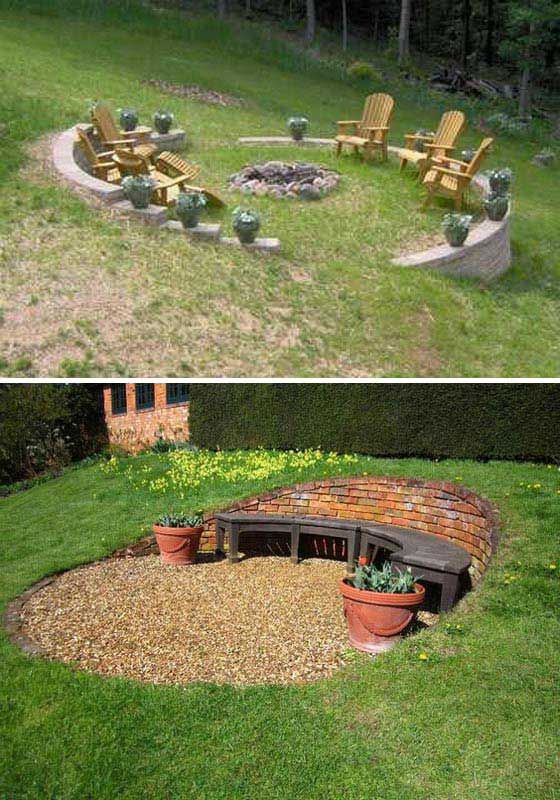
2. **Hillside Patio or Deck**: Building a patio or deck into the hillside creates a unique, elevated outdoor living space. This approach allows you to enjoy panoramic views while providing a flat surface for dining, relaxing, or entertaining.
Patio Design
To create a hillside patio, you'll need to excavate the area and build up the sides with retaining walls. Use durable, low-maintenance materials like concrete pavers, natural stone, or composite decking for the patio surface. Incorporate built-in seating, planters, or lighting to enhance the space's functionality and aesthetics.
Deck Design
Building a deck into the hillside involves constructing a foundation, framing the structure, and attaching the decking material. Consider using treated lumber, composite, or cedar for the decking, and incorporate features like built-in benches, railings, or stairs to connect it to the rest of your backyard.
As you plan your hillside transformation, don't forget to consider the bigger picture. How will your new space connect to the rest of your backyard, and how will it complement your home's architecture? By carefully integrating your hillside design with the rest of your outdoor living areas, you'll create a cohesive, inviting space that you'll enjoy for years to come.
Embracing the unique challenges and opportunities that a steep hill in your backyard presents can lead to a stunning, functional, and personalized outdoor space. With careful planning, the right materials, and a touch of creativity, you can transform your hillside into a true showcase of your home's natural beauty.
Related Articles

Transform Your Garden Steep Hill into a Stunning Oasis
Embarking on a gardening journey on a steep hill can be both challenging and rewarding. Steep hill gardens require careful planning and unique strategies to...

Small Steep Backyard Ideas: Transform Your Slopes into a Stunning Oasis
Transforming a small, steep backyard into a functional and inviting space might seem like a daunting task, but with the right ideas and a bit of creativity...

Transform Your Backyard Side Yard Into A Stunning Oasis
Transforming your outdoor space into a functional and inviting haven doesn't always require a complete overhaul. Sometimes, a few strategic changes in your...

Transform Your Backyard into a Beach Paradise with Stunning Pond Ideas
Transforming your backyard into a serene oasis with a pond and beach-inspired elements can create a unique and inviting space. Incorporating a pond and...
Steep Garden Ideas 101: Transform Your Slope Into a Stunning Oasis
Transforming a sloped yard into a functional and visually appealing space can be a challenging yet rewarding task. Steep garden ideas can help you create a...
Steep Terraced Yard Ideas: Transform Your Slope into a Stunning Oasis
Imagine transforming a sloping backyard into a stunning, tiered oasis. Steep terraced yards not only tame challenging landscapes but also create captivating...